
Plants
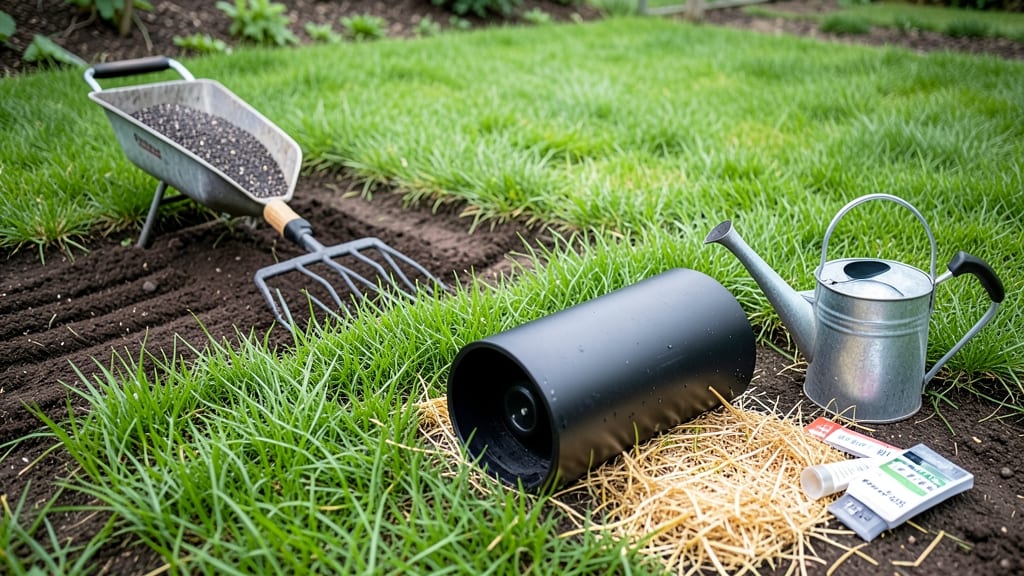
Planting grass seed in Minnesota’s fall means timing it right to beat the frost—aim for late August through early October in zones 4a–5a, when soil stays warm enough for roots to take hold before winter.
Too early, and frost will kill tender sprouts; too late, and your lawn won’t establish before the ground freezes. The sweet spot is those crisp September days when temperatures hover around 60–70°F, giving your grass 4–6 weeks to grow before the first hard freeze.
This isn’t just about dates—it’s about soil conditions, seed type, and even your lawn’s future resilience. Cool-season grasses like Kentucky bluegrass and fescue thrive when planted now, thanks to fewer weeds, cooler temps, and moisture that stays in the soil longer.
Below, I’ll break down the exact window for your zone, how to prep your soil, and the critical steps to ensure your new grass outlasts Minnesota winters—no guesswork, just results.
Minnesota fall grass planting timeline by hardiness Zone: exact dates for optimal root growth
Fall is the best time to plant cool-season grasses like Kentucky bluegrass and fescue in Minnesota, thanks to mild temperatures and reduced weed competition. The key is planting 4-6 weeks before the first frost, when soil temps stay above 60°F but nights begin to cool.
This window lets grass seeds germinate and develop strong root systems before winter dormancy.
Minnesota spans USDA Zones 3-5, each with slightly different frost timelines. Zone 3 (northern MN) faces earlier frosts, while Zone 5 (southern MN) has a longer planting window.
Understanding your zone ensures your grass gets the optimal frost-free growing period—typically 60-75 days—for robust establishment. Let’s break down the exact dates for each zone.
| Zone | Planting Window | Soil Temp Threshold | First Frost Date | Ideal Grass Types |
|---|---|---|---|---|
| Zone 3 (North) | Late August – Early September | 60–65°F | Mid-September | Tall fescue, fine fescue |
| Zone 4 (Central) | Mid-August – Mid-September | 60–68°F | Late September | Kentucky bluegrass, perennial ryegrass |
| Zone 5 (South) | Early August – Late September | 65–70°F | Early October | Turf-type tall fescue, creeping red fescue |
Zone 3 gardeners should act fast—the window is narrow, often closing by September 1st. Northern Minnesota’s shorter growing season demands early action, while Zone 5’s later frost dates allow for a 6-week extension.
Use a soil thermometer to confirm temps are ideal; seeds won’t germinate well below 60°F, even if frost isn’t imminent.
Pro tip: Check the USDA Plant Hardiness Zone Map for your exact location, as microclimates (like urban heat islands) can shift frost dates by 1-2 weeks. Rural areas tend to frost earlier than cities.
For example, Minneapolis (Zone 4b) might see frost by September 25th, while Rochester (Zone 4a) could freeze by September 15th.
Cool-season grasses thrive in fall because cooler air temperatures reduce stress on young seedlings, while warm soil (from summer’s heat) fuels rapid root growth. Aim for 1-1.5 inches of rain or consistent watering post-planting to keep soil moist but not soggy.
Overwatering can drown seeds, while drought stresses them before roots establish.
If you miss the fall window, spring planting is possible—but results are less reliable due to weed competition and hot, dry conditions that stress young grass.
Fall-planted lawns often outperform spring plantings by 30-50% in density and resilience. That’s why timing is everything in Minnesota’s short but sweet growing season.
For best results, pair planting with a light fertilizer application (high in phosphorus) to encourage root development. Avoid heavy nitrogen fertilizers, which promote top growth at the expense of roots. Instead, use a slow-release 30-0-4 blend to support underground growth during the critical 60-day establishment period.
Watch for first frost warnings from your local National Weather Service office and adjust your planting timeline accordingly. If frost is predicted within 2 weeks of seeding, delay planting until conditions stabilize. Young grass can tolerate light frosts once established, but new seeds need consistent warmth to germinate.
Remember: The science behind fall planting lies in the balance of warmth and cooling. Warm days keep seeds active, while cooler nights slow weed germination. This natural rhythm gives your grass a competitive edge against crabgrass and other summer weeds.
With the right timing, your lawn will green up beautifully next spring—thick, uniform, and ready for summer’s challenges.
5 Critical factors that determine your perfect grass planting window in Minnesota
Timing your grass seed planting in Minnesota’s fall isn’t just about picking a date—it’s about understanding five science-backed factors that separate a thriving lawn from a failed project. The ideal window depends on soil warmth, frost risk, seed type, moisture, and even your yard’s microclimate.
Get these wrong, and your $50 seed bag could end up as bird food.
For example, planting Kentucky bluegrass in early September gives it 6 weeks to establish roots before frost, while tall fescue can handle a later start. But if you’re in Zone 3, you’ll need to adjust by 2–3 weeks earlier than Zone 5 neighbors.
Let’s break down the non-negotiable factors to pinpoint your perfect planting window.
Use a soil thermometer—roots need consistent warmth. Below 55°F, germination stalls. In Zone 4, aim for late August–early September; in Zone 5, wait until mid-September.
Plant 4–6 weeks before the average first frost (check Almanac.com). In northern MN, this is early October; in southern MN, it’s mid-October. Seedlings need 3–4 inches of growth before frost.
Cool-season grasses (bluegrass, fescue) thrive in fall. Warm-season grasses (Bermuda, Zoysia) fail here—save them for spring. Mix seed blends for faster coverage (e.g., 60% fescue + 40% bluegrass).
Keep soil consistently moist (not soggy) for 2–3 weeks post-planting. Use 1 inch of water weekly (morning only). Urban yards dry faster—water daily until sprouts appear.
South-facing slopes warm faster—plant 1 week earlier. Shady spots stay cool longer; delay by 1–2 weeks. Urban heat islands may need later planting due to delayed frost.
Pro tip: Test your soil’s readiness with a simple moisture check. Dig 2 inches deep—if the soil feels warm and damp (like a squeezed sponge), it’s perfect. Too dry? Water 24 hours before planting to mimic natural conditions. Urban gardeners often overlook this, leading to poor germination.
Once you’ve locked in these factors, verify your local conditions with a quick checklist: soil temp, frost date, seed type, moisture plan, and microclimate notes. Skipping even one step can halve your success rate.
For example, planting tall fescue in Zone 3 after September 15 risks frost damage—roots need time to harden off.
Remember, Minnesota’s fall is forgiving for grass planting because weeds are dormant and moisture lingers. But the clock ticks fast—once temps drop below 50°F at night, germination slows to a crawl. Use this window wisely, and you’ll wake up to a lush, weed-free lawn next summer.