
Plants
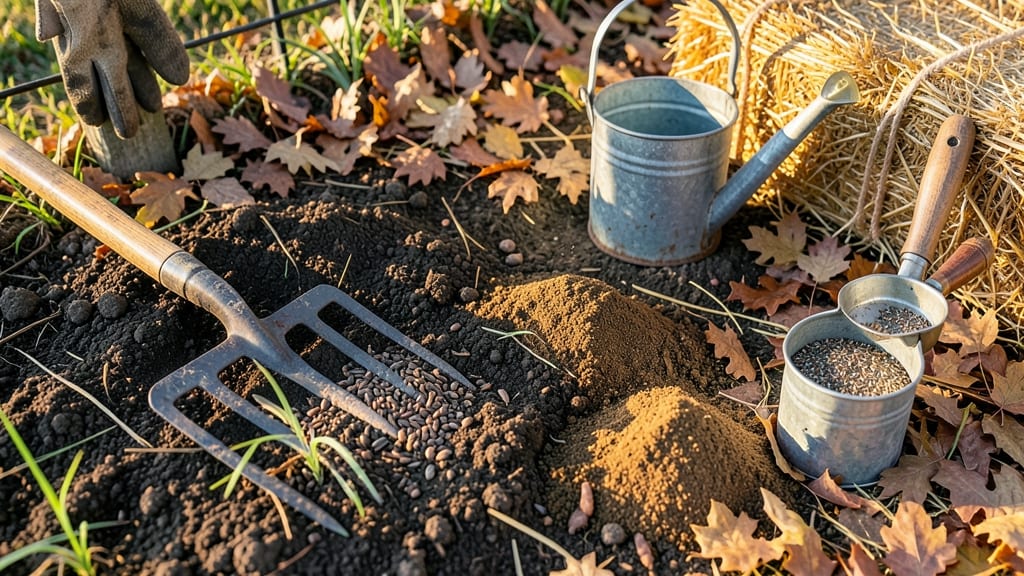
Planting grass seed in the fall gives your lawn the strongest start before winter dormancy, but timing is everything to avoid frost or weeds.
Picture this: You’ve spent hours seeding your lawn, only to wake up to a thin, patchy mess because you planted too late. Or worse, weeds take over before your grass even sprouts.
The difference between a lush lawn and wasted effort often comes down to knowing exactly when to plant in your zone.
Fall planting works because cooler temperatures and fewer weeds give grass roots a head start. But if you miss the window—4 to 6 weeks before your first frost—you’ll end up with slow growth or seed that never germinates.
Here’s how to pinpoint the perfect date for your climate and avoid common mistakes.
In this guide, I’ll break down the ideal planting deadlines by USDA zone, soil temperature tricks to test readiness, and a step-by-step checklist to ensure your grass thrives all winter long. No more guessing—just a thick, green lawn by spring.
Fall grass seed planting deadlines by USDA hardiness Zones
Timing is everything when planting grass seed in the fall. Cool-season grasses like Kentucky bluegrass and fescue need 4-6 weeks before the first frost to establish strong roots. Plant too early, and weeds will dominate.
Too late, and frost will kill tender seedlings. Your USDA Hardiness Zone determines the exact window—here’s how to nail it in Zones 3 through 10.
Northern regions (Zones 3–5) have shorter growing seasons, so you’ll plant earlier—think late August to early October. Southern zones (6–10) can stretch planting into November, but watch for early frosts.
Microclimates (like sheltered yards) can extend windows by 1–2 weeks. Always check your local frost date forecast for precision.
Pro Tip: Use a soil thermometer—ideal soil temps for planting are 50–65°F. If it’s below 50°F, wait a week or two. Warm soils speed up germination but can stress seedlings if too hot.
In Zones 3–4, where winters are harsh, start by late August to avoid early frosts. Tall fescue is your best bet—it tolerates cold and establishes faster.
If you’re in Zone 5 or 6, aim for mid-September to balance weed control and root growth. Kentucky bluegrass loves these zones and rewards timely planting with thick, lush growth.
Southern gardeners in Zones 7–10 have more flexibility. Plant as late as early November, but watch for unexpected cold snaps. Ryegrass germinates quickly, making it ideal for last-minute plantings. In Zone 10, where frost is rare, you can even plant in December—just mulch heavily to protect seedlings.
Adjust for microclimates like south-facing slopes (warmer) or low-lying areas (colder). A sheltered yard might extend your window by 1–2 weeks, while exposed spots need earlier planting. Use a frost prediction app (like Old Farmer’s Almanac) to fine-tune your dates.
After planting, water deeply 2x daily for the first 2 weeks to keep soil moist. Once roots establish (about 3–4 weeks), reduce to 1 inch per week. Avoid fertilizing until spring—fall fertilizer can burn tender new roots. Mulch with straw to retain moisture and insulate against frost.
Miss the window? Don’t panic. Spring planting is possible, but weeds will compete fiercely. If you’re late in fall, opt for winter ryegrass—it germinates in cool soil and provides quick cover. Just be ready to overseed in spring for full thickness.
Protect your investment with pre-emergent herbicide applied 2 weeks after planting to block weeds. And remember: thin, patchy grass often signals late planting or poor soil prep. Start early, and you’ll enjoy a frost-resistant lawn by spring.
5 Critical factors that determine your perfect planting date
Your USDA zone is just the starting point—soil temperature is the real game-changer for fall grass seed success. Grass seeds need 50–65°F soil to germinate properly. If it’s too cold (<50°F), seeds may rot; too warm (>70°F), and they’ll dry out before sprouting.
Use a soil thermometer to check temps at 4-inch depth (where roots will form). Morning is the best time to test—soil cools overnight, giving you the most accurate reading.
Next, check your frost prediction tools like the Old Farmer’s Almanac or NOAA’s frost maps. Planting 4–6 weeks before your first frost ensures roots establish before winter dormancy. For example, if frost hits November 15th, aim to finish seeding by October 1st.
Pro tip: Set calendar reminders for your zone’s early, ideal, and late-cutoff dates—this prevents last-minute panic.
- 1 Soil Temperature: 50–65°F (use a thermometer at 4" depth)
- 2 Frost Window: Plant 4–6 weeks before first frost (check local forecasts)
- 3 Seed Type: Cool-season (Kentucky bluegrass) vs. warm-season (Bermuda grass)
- 4 Soil Readiness: Test pH (6.0–7.5) and loosen compacted soil 2–3 inches deep
- 5 Last-Minute Check: Clear debris, rake seedbed, and mulch with straw
Your seed type also dictates timing. Cool-season grasses (Kentucky bluegrass, fescue, ryegrass) thrive in fall and need 4–6 weeks of warm soil before frost. Warm-season grasses (Bermuda, zoysia) should wait until spring—they struggle in cool fall temps.
Always check your seed packet for days-to-germination (e.g., ryegrass sprouts in 5–10 days; fescue takes 14–21 days).
Testing soil readiness goes beyond temperature. Use a pH test kit—ideal levels are 6.0–7.5. If your soil is too acidic (<6.0), add lime 4–6 weeks before planting. For compacted soil, rent a core aerator to create 2–3 inch deep holes—this mimics natural root channels.
Loose soil = faster germination. Pro tip: Water the soil 24 hours before planting to create the perfect moist environment for seeds.
For last-minute adjustments, keep a checklist handy: clear all debris, rake the seedbed to expose soil, and spread straw mulch (not hay—it contains weed seeds). If you’re 1–2 weeks late, switch to winter ryegrass—it germinates in cooler soil and provides quick cover.
Just be ready to overseed in spring. Remember: thin grass often means planting too late or poor soil prep. Start early, and your lawn will thank you with deep, frost-resistant roots by spring.
🌿