
Plants
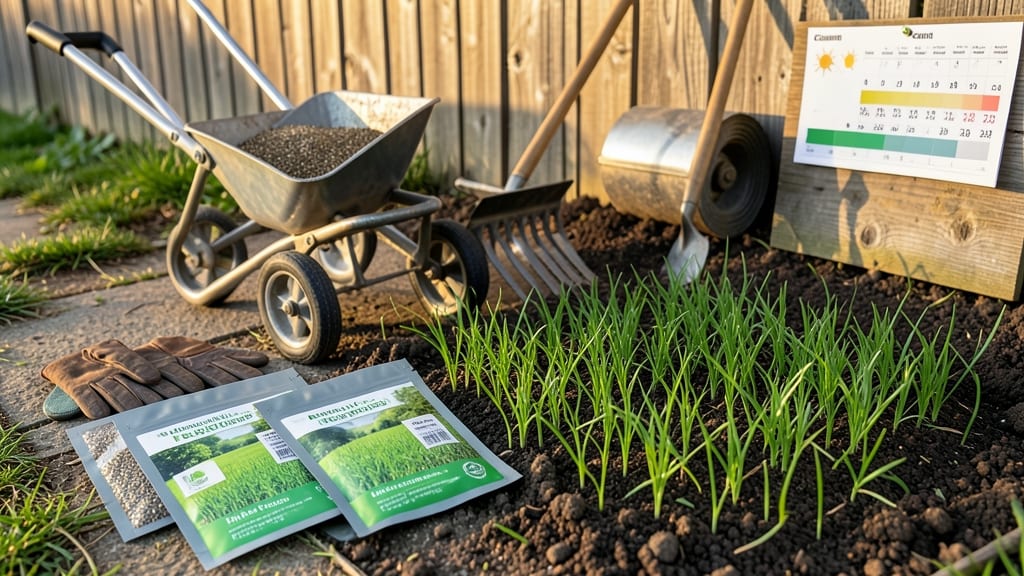
Planting grass seed in the Northeast at the right time means the difference between a thick, lush lawn and a patchy, frost-bitten mess.
If you're struggling with patchy lawns in the Northeast, timing your grass seed planting could be the game-changer you need—plant too early or late, and you risk frost damage or wasted effort.
Spring and fall are the two golden windows for planting 🌱, but the exact deadlines shift depending on whether you're in New England, the Mid-Atlantic, or the Great Lakes regions.
Below, I break down the best months for each zone, how to prep your soil for success, and the one mistake that ruins more lawns than anything else.
Optimal Northeast grass seed planting deadlines: spring vs fall timeline
Getting your Northeast grass seed timing right means the difference between a lush, vibrant lawn and wasted effort. The Northeast climate—with its cold winters and unpredictable springs—demands precise planting windows.
While both spring and fall offer opportunities, fall planting (especially September-October) often yields better results due to cooler temperatures and fewer weeds. Let’s break down the month-by-month deadlines for your region, whether you're in New England, the Mid-Atlantic, or the Great Lakes.
First, understand that soil temperature is your best guide. Grass seeds need soil between 50°F and 65°F to germinate successfully. In the Northeast, this typically aligns with early spring (April-May) and early fall (September-October). Planting outside these windows risks frost damage, drought stress, or weed competition.
Below, we’ll compare the two seasons, including regional variations and frost risk analysis to help you choose the best time for your lawn.
🌱 Visual Guide: Spring vs Fall Planting Deadlines
For spring planting, aim to sow your grass seed between April and May when soil temperatures consistently stay above 50°F. In New England, this often means waiting until mid-April to avoid late frosts, while the Mid-Atlantic can start as early as early April.
The Great Lakes region may face waterlogged soil in spring, so test drainage before planting. Spring planting gives your lawn a full growing season to establish, but it also means competing with weeds and summer heat.
Fall planting, however, is often the preferred method in the Northeast. The cooler temperatures reduce weed competition, and the grass has time to develop strong roots before winter.
Plant 4–6 weeks before your region’s first frost, typically late August to early September in New England and September in the Mid-Atlantic. The Great Lakes can extend planting into early October due to slower cooling.
Fall seeds germinate quickly and establish before cold sets in, resulting in a denser, more resilient lawn.
If you’re in Zone 5 (e.g., upstate New York, Vermont), your last frost date is often around April 15, so spring planting should start in early April.
For Zone 7 (e.g., Washington D.C., Baltimore), you can plant as early as March in spring or push fall planting into mid-October. Always check your local frost dates—they can vary by 1–2 weeks even within the same region.
One critical mistake is planting too late in fall. If you miss the window and sow seeds after the first frost, they won’t germinate. Similarly, planting in late spring (June or July) exposes seeds to intense heat and drought, leading to poor establishment.
To avoid these pitfalls, use a soil thermometer to confirm temperatures are ideal before planting.
For overseeding (adding seed to an existing lawn), follow the same timing rules. Fall overseeding is especially effective for cool-season grasses like Kentucky bluegrass and
How to prepare your Northeast lawn for grass seed success: soil, weather, and pre-planting checklist
Preparing your Northeast lawn for grass seed isn't just about throwing seeds on bare soil—it's about creating the perfect conditions for fast germination and frost-resistant growth. The key starts with your soil pH, which should sit between 6.0 and 7.0 for optimal seed performance.
Most Northeast soils lean acidic, so a quick pH test (available at garden centers for under $10) will tell you if you need to add lime (to raise pH) or sulfur (to lower it). Tall fescue and Kentucky bluegrass thrive in this range, making them top choices for our region's unpredictable winters.
Once your soil is balanced, focus on regional microclimates. Coastal areas like New England stay cooler longer, while inland zones (e.g., Pennsylvania) warm up faster—adjust your planting timeline accordingly. Even a 10-degree difference can shift your ideal window by weeks.
✅ Northeast Grass Seed Prep Checklist
- 🔹 Test soil pH (aim for 6.0–7.0) using a home kit or lab test
- 🔹 Rake out debris and loosen top 2–3 inches of soil with a garden fork
- 🔹 Choose frost-tolerant seeds like tall fescue (drought-resistant) or Kentucky bluegrass (cold-hardy)
- 🔹 Adjust for microclimates: Coastal areas plant 2 weeks later than inland zones
- 🔹 Water deeply 1 inch per week (morning only) for 3 weeks post-planting
- 🔹 Avoid summer planting—seeds bake in soil above 80°F
Don't overlook weed control before planting. Apply a pre-emergent herbicide 2 weeks before seeding to block weeds without harming your new grass. For organic options, use corn gluten meal, which also acts as a gentle fertilizer.
Finally, time your planting to avoid late-summer heat or early-spring frosts. Aim for 4–6 weeks before your first frost (typically late September) or 4–6 weeks after your last frost (mid-April). Coastal areas like Maine may need to push planting to May to avoid chilly soils.
With these steps, your Northeast lawn will establish thicker roots and better frost resistance—no patchy spots in sight! 🌱