
Plants
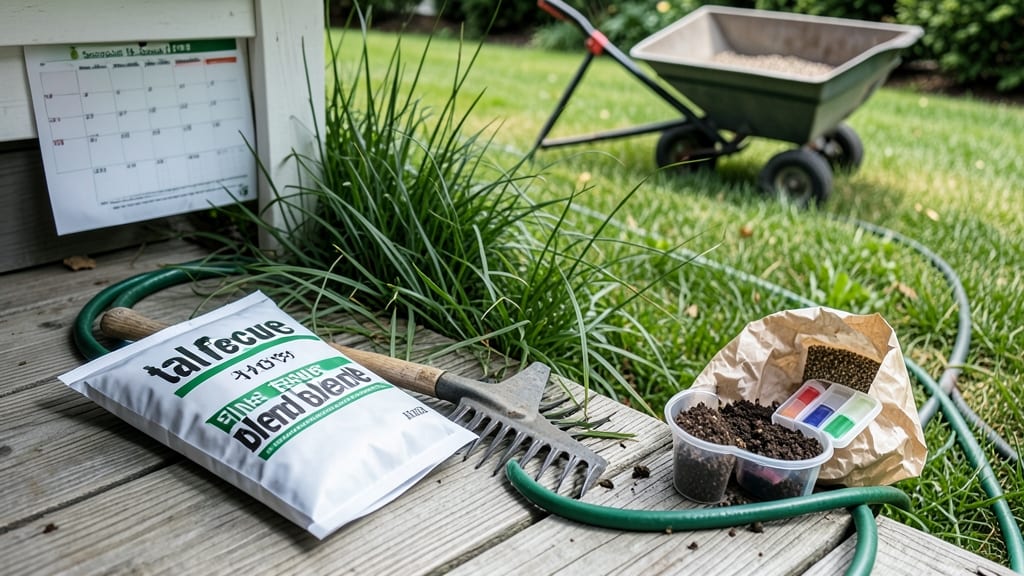
Planting grass seed in Tidewater, Virginia, requires timing soil warmth and avoiding coastal humidity pitfalls — aim for early spring or fall when temperatures sit between 50°F and 85°F.
Timing your grass seed planting in Tidewater Virginia’s humid subtropical climate can mean the difference between lush green lawns and frustrating regrowth battles—especially with coastal heat and unpredictable spring rains.
In zones 7b-8a, the ideal window runs from late March through April or September to October, when soil stays warm enough for germination but humidity isn’t extreme. Miss these months, and you risk fungal issues or slow growth.
Below, I break down the fastest methods for preparing your lawn, choosing the right seed blend, and keeping moisture consistent—so your grass takes root before summer’s heat sets in.
Tidewater Virginia’s ideal grass seed planting window by month (with frost dates)
Tidewater Virginia’s humid subtropical climate creates unique challenges for grass seed germination. The coastal humidity and sandy soils demand precise timing to avoid fungal diseases and ensure strong root establishment.
Unlike inland areas, Tidewater’s last frost dates range from February 15 to March 15, while the first frost typically arrives around November 15. This means your planting window must balance soil warmth with moisture control.
For best results, focus on early spring (March-April) or early fall (September-October). These months offer soil temperatures between 50°F and 85°F, ideal for seed activation without overwhelming heat stress. Planting outside these windows risks slow germination, weed competition, or even seed rot from prolonged moisture.
Spring planting should begin as soon as soil reaches 50°F (usually late March), while fall planting works best when daytime highs stay above 70°F (typically September). Both seasons avoid the peak summer heat and winter dormancy that can stunt new growth.
| Month | Planting Window | Soil Temp (°F) | Key Considerations | Action Steps |
|---|---|---|---|---|
| February | Limited (only for hardy varieties) | 40–50°F | High fungal risk; soil too cold | Test soil moisture; delay planting |
| March | Optimal start (late March) | 50–65°F | Balanced warmth; watch for spring rains | Prep soil, sow seed, cover lightly |
| April | Best spring window | 60–75°F | Ideal germination; reduce watering as temps rise | Water daily; fertilize after 3 weeks |
| May | Possible (shade-tolerant types) | 70–85°F | Heat stress risk; increase shade | Use mulch; water early morning |
| June–August | Avoid (peak heat) | 85°F+ | Seeds dry out; fungal growth | Skip planting; focus on maintenance |
| September | Optimal fall window | 70–80°F | Warm soil; lower humidity | Plant early; fertilize in October |
| October | Best late fall option | 60–70°F | Cool nights; reduced fungal risk | Water consistently; prepare for frost |
| November | Limited (early November only) | 50–60°F | Frost risk; slow germination | Use frost cloth if needed |
In March, focus on soil preparation—remove debris, loosen compacted areas, and test pH (ideal: 6.0–7.0). Coastal winds can dry out seeds quickly, so use a light mulch (straw or peat moss) to retain moisture.
For April plantings, switch to drip irrigation if rains are inconsistent, as Tidewater’s spring showers can alternate with dry spells.
When planting in September, prioritize shade-tolerant varieties if your lawn has partial shade from mature trees. The cooler nights reduce fungal pressure, but watch for hurricane season remnants that can disrupt germination. Always plant 4–6 weeks before first frost to allow roots to establish before winter dormancy.
October is your last chance for fall planting. By this month, soil temperatures drop below 70°F, which slows growth but reduces stress on new seedlings.
Apply a light nitrogen fertilizer (10-0-10) to support root development before winter. If frost arrives early, cover seedlings with frost blankets to protect tender new growth.
Missed the ideal windows? Overseeding in late winter (February) or late summer (August) can work for cool-season grasses, but expect slower results due to temperature extremes. Always adjust watering—daily light watering for the first 2–3 weeks is critical, regardless of season.
Remember: Tidewater’s coastal climate demands extra vigilance. Monitor soil moisture with a trowel test (dig 2 inches deep—soil should feel damp, not soggy). Adjust your planting strategy based on local microclimates
How coastal humidity and soil temperature affect grass seed germination in Tidewater
Tidewater Virginia’s coastal climate creates unique challenges for grass seed germination. The high humidity and sandy soils near the coast demand extra attention to moisture balance and soil warmth.
Unlike inland areas, coastal regions often experience warmer soil temperatures earlier in spring, but the risk of fungal diseases spikes when seeds stay too wet.
Grass seeds need soil temperatures between 60°F and 75°F to germinate properly. In Tidewater, this typically means waiting until mid-March or later, when the ground has warmed enough to support root development.
Cool-season grasses like tall fescue thrive in these conditions, while warm-season varieties such as Bermuda grass prefer even hotter soil.
Coastal humidity also plays a critical role. While consistent moisture is essential for germination, excessive dampness can lead to fungal infections like brown patch or dollar spot.
Sandy soils, common in Tidewater, drain quickly but struggle to retain moisture, while clay soils can become waterlogged. Balancing these factors is key to successful establishment.
Here’s the critical insight: Soil temperature and moisture retention must align perfectly. If your soil is too cold, seeds won’t germinate. If it’s too wet, they’ll rot. The goal is to create an environment where seeds stay moist but not soggy, with temperatures ideal for root growth.
⚠️ Warning: Planting Too Early in Tidewater
Coastal humidity and cool spring nights can stall germination if you plant before soil reaches 60°F. Seeds may sprout slowly or develop fungal issues. Wait until soil warms consistently—test with a soil thermometer—before seeding to avoid these risks.
For sandy soils, add compost or peat moss to improve moisture retention. For clay soils, amend with sand or perlite to prevent compaction and improve drainage.
Adjusting for sandy vs. clay soils is another critical factor. Sandy soils dry out faster, requiring more frequent watering to keep seeds moist. Clay soils, on the other hand, can become waterlogged, increasing the risk of fungal diseases.
Amending your soil with organic matter like compost or coconut coir can help create the ideal balance for germination.
Once seeds are planted, maintain consistent moisture by watering lightly twice daily—early morning and late afternoon—to keep the soil surface damp without oversaturating it. Avoid overhead watering in the evening, as this can promote fungal growth. Instead, use a soaker hose or drip irrigation for targeted moisture delivery.
Monitor your lawn closely for signs of stress, such as yellowing blades or mold growth. If you notice these issues, reduce watering frequency slightly and ensure good airflow around the seedlings.
With the right balance of soil warmth, moisture, and humidity management, your grass seed will establish a strong root system within 4–6 weeks—ready to thrive in Tidewater’s coastal climate. 🌱