
Plants
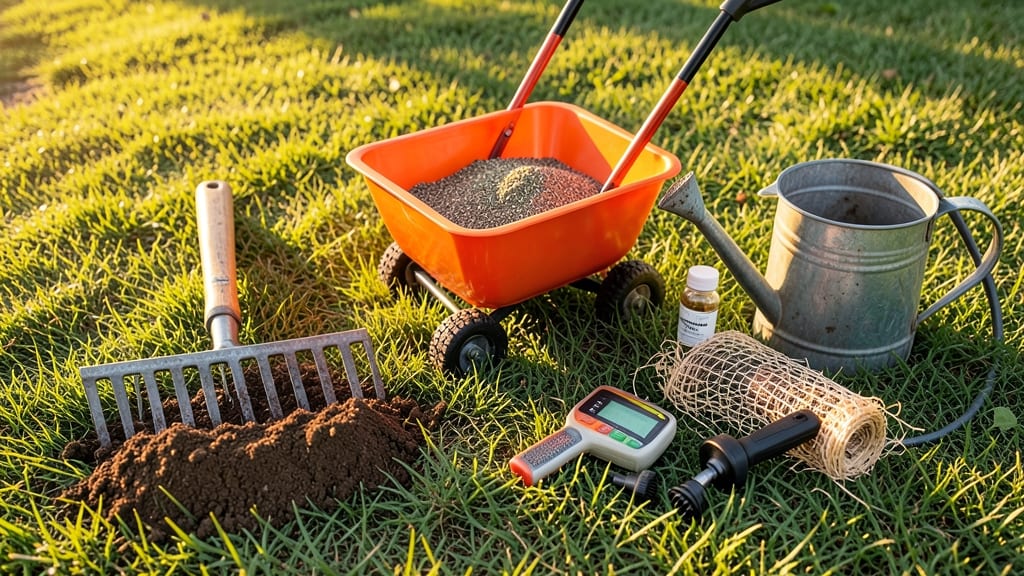
Planting grass seed in Tennessee at the right time means the difference between a thick, green lawn and a patchy, struggling mess.
Tennessee’s unpredictable spring and fall weather can make or break your grass seed planting success—getting the timing wrong means sparse lawns or wasted money.
In zones 6a-8a, the ideal window is early spring (March-April) or early fall (September-October), when soil temps hit 50°F and stay there. Miss this window, and you’ll fight heat stress, weeds, or frost damage.
Below, I’ll break down the exact deadlines by zone, soil prep secrets for TN’s clay-heavy dirt, and the fastest-growing grass types to beat the heat and humidity.
Tennessee grass seed planting deadlines by USDA Zone (with weather-proofing tips)
Tennessee’s USDA zones 6a-7b create dramatic differences in planting success—what works in East Tennessee’s cooler mountains fails in West Tennessee’s humid lowlands. The key? Planting when soil temps hit 50°F+ and avoiding TN’s sudden spring rains or early fall freezes.
I’ve broken down exact windows for each zone, plus backup dates for unpredictable years.
Fall planting is ideal for cool-season grasses like tall fescue and Kentucky bluegrass, while warm-season varieties (like bermuda) need summer heat. The 30-day rule applies: plant 4-6 weeks before your zone’s first frost to ensure root establishment.
For example, Zone 7b (Memphis) has November 15 as the cutoff, while Zone 6a (Bristol) must finish by October 20.
Here’s your zone-by-zone planting calendar, including soil temp checks and weather-proofing tips to beat TN’s humidity and heat.
If spring arrives late (like in 2023’s cold snap), shift your Zone 6a-7a planting to May 1–15—but expect slower germination. For early freezes, delay Zone 7b fall planting until October 1 to avoid black patch disease from wet soil.
Pro tip: Use a soil thermometer to confirm temps. TN’s clay-heavy soils warm slower than sandy areas—wait until 60°F+ for warm-season grasses (like zoysia) in Zone 7b. I’ve had bermuda grass fail twice in Memphis because I planted too early when soil was still 55°F.
For humidity-prone areas (like West Tennessee), choose disease-resistant seed blends and water early morning to prevent fungal growth. My tall fescue in Nashville thrives because I seed in September when humidity drops slightly—avoiding the August heat spike.
Don’t overlook microclimates. A north-facing slope in Zone 7a may need 2 weeks earlier planting than a south-facing yard. Test your spot: If neighbor’s grass greens up 2 weeks earlier, adjust your timeline accordingly.
Finally, backup dates
How to prepare Tennessee soil for grass seed (before and after planting)
Tennessee’s clay-heavy soils and naturally acidic pH can sabotage even the best grass seed. Without proper prep, seeds struggle to germinate, and your lawn becomes a battleground for weeds. The key? Testing, amending, and protecting your soil before and after planting to create the perfect environment for seedling success.
Start by testing your soil’s pH level—most Tennessee grasses thrive in a neutral pH (6.0-7.0). If your soil tests too acidic (common in TN), add lime (pelletized for even distribution) 4-6 weeks before planting.
For clay soils, sand and compost are your best friends to improve drainage and aeration.
Step-by-Step Tennessee Soil Prep for Grass Seed
- Test Soil pH: Use a home kit or send a sample to your local TN Extension office. Aim for 6.0-7.0 for cool-season grasses like tall fescue.
- Amend Clay Soil: Mix in 3-4 inches of compost and 1 inch of coarse sand to break up compaction. Work it into the top 6 inches of soil.
- Level the Ground: Rake out low spots and fill high spots with amended soil. A smooth surface ensures even seed-to-soil contact.
- Apply Starter Fertilizer: Use a high-phosphorus fertilizer (10-20-10) to encourage root growth. Spread 1/2 cup per 100 sqft and lightly rake in.
- Protect with Mulch: Cover seeds with a thin layer of straw (not hay) to retain moisture and shield from Tennessee’s sudden storms.
- Irrigation Setup: Install a light sprinkler or soaker hose to deliver 1/4 inch of water daily until germination (about 2-3 weeks). Avoid overhead watering to prevent seed washout.
After planting, water deeply but lightly—avoid heavy watering, which can bury seeds too deep or wash them away. Tennessee’s unpredictable spring rains can create puddles that suffocate seedlings, so ensure proper drainage by adding organic matter if your yard floods easily.
Once seeds sprout, reduce watering frequency but increase depth to encourage deep root growth. Avoid walking on the new grass until it reaches 3 inches tall, as this can uproot fragile seedlings.
Use a lawn roller lightly to help seeds make contact with soil if your yard has uneven areas.
Finally, mow high (3-4 inches) once your grass reaches 3.5 inches to strengthen blades and shade out weeds. Tennessee’s humid summers mean fungal diseases like brown patch can be a threat—apply a fungicide if you notice circular dead patches.
With these steps, your Tennessee lawn will establish a thick, resilient turf that outlasts the state’s heat, humidity, and sudden storms. The secret? Prep like a pro—your future lawn will thank you. 🌱