
Plants
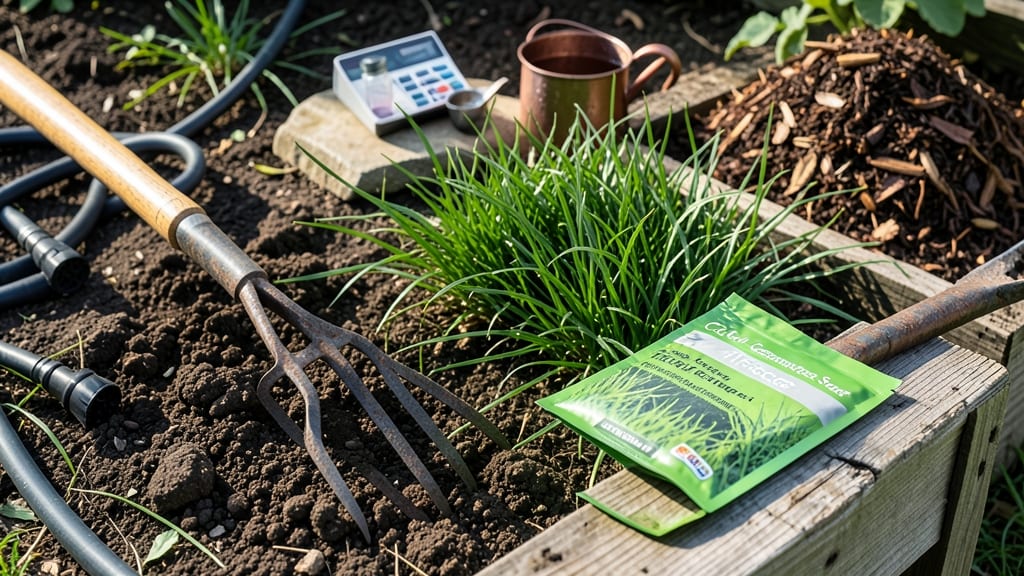
Planting grass seed in Upstate NY at the right time ensures fast germination and a thick, resilient lawn—avoiding the common pitfalls of spring frosts or summer drought.
Timing your grass seed planting in Upstate NY can mean the difference between a lush, green lawn and a patchy, slow-growing disappointment—especially with the region’s unpredictable spring frosts and summer heat.
Cool-season grasses like Kentucky bluegrass thrive when planted in early spring (March-April) or late summer (August-September), while warm-season varieties need the heat of late spring. Missing these windows often leads to weak roots or stunted growth.
Below, I’ll break down the exact frost-free dates by county, soil prep steps, and the best grass types for your Upstate NY yard—so you can plant with confidence and skip the guesswork.
Upstate NY grass seed planting zones: frost-free dates by county for optimal germination
Planting grass seed in Upstate NY requires precision timing to avoid late spring frosts or summer heat stress. The region spans USDA zones 5b-6b, meaning frost dates vary dramatically between counties like Albany (Zone 6a) and Buffalo (Zone 6b).
Cool-season grasses like Kentucky bluegrass thrive when planted in early spring or fall, while warm-season grasses need late summer for establishment.
Your planting window hinges on soil temperatures (ideal: 50-55°F) and last frost dates. In Upstate NY, these dates shift by 1-2 weeks between northern and southern counties.
For example, Syracuse (Zone 5b) typically sees its last frost by May 10, while Rochester (Zone 6a) averages May 1. Fall planting offers a second chance, with August 15-September 15 being optimal for cool-season grasses.
Here’s a county-by-county breakdown of frost-free windows and soil temperature targets to maximize germination success:
For cool-season grasses (like tall fescue or Kentucky bluegrass), aim to plant 4-6 weeks before your county’s first frost in fall. This gives seeds time to establish 3-4 inch roots before winter dormancy.
In spring, wait until soil warms to 50°F and nights stay above 40°F consistently to avoid frost damage.
Warm-season grasses like Bermuda or Zoysia (less common in Upstate NY) need soil temps above 65°F and are best planted in late summer (August). However, these struggle in Upstate NY’s cooler summers unless you’re in Zone 6b (e.g., Buffalo). Stick to cool-season blends for most of the region.
Pro tip: Use a soil thermometer to confirm temps before planting.
How to choose the right grass seed type for Upstate NY’s climate and soil conditions
Upstate NY’s USDA zones 5b-6b create unique challenges for lawn success, where cool-season grasses dominate but warm-season varieties struggle in the long winters. The key is matching your yard’s sun exposure, soil type, and maintenance tolerance to the right seed blend.
For most Upstate NY homeowners, cool-season grasses like Kentucky bluegrass and fine fescue are the gold standard—they thrive in our spring and fall growing seasons while tolerating winter dormancy.
However, if your lawn faces intense heat or drought conditions, warm-season options like Bermuda grass might be worth considering for specific microclimates.
Here’s a quick comparison to help you decide which grass type aligns best with your Upstate NY yard’s needs:
🌱 Cool-Season Grasses (Best for Upstate NY)
✅ Pros: Dense, durable, great for traffic
✅ Thrives in full sun to partial shade
✅ Cold-hardy for Upstate NY winters
❌ Needs frequent watering (1-1.5" per week)
❌ Susceptible to fungal diseases in humid summers
❌ High maintenance (mowing, fertilizing)
✅ Drought-resistant once established
✅ Shade-tolerant (ideal for wooded areas)
✅ Low maintenance and pest-resistant
❌ Slower establishment than Kentucky bluegrass
❌ Less wear-resistant for high-traffic areas
❌ Can turn brown in extreme heat
☀️ Warm-Season Grasses (Limited Use in Upstate NY)
✅ Drought-tolerant and heat-loving
✅ Fast-growing and wear-resistant
✅ Full sun only (6+ hours daily)
❌ Dies back in winter (brown lawn)
❌ Aggressive spread (can invade gardens)
❌ Needs regular mowing (high maintenance)
✅ Drought-resistant and low-maintenance
✅ Shade-tolerant (better than Bermuda)
✅ Soft texture when mature
❌ Slow to establish (takes 2+ years)
❌ Browns in winter (like Bermuda)
❌ Thatch buildup requires aeration
For Upstate NY’s microclimates, I recommend blending Kentucky bluegrass (for sun) with fine fescue (for shade) to create a low-maintenance, resilient lawn. If your yard faces