
Plants
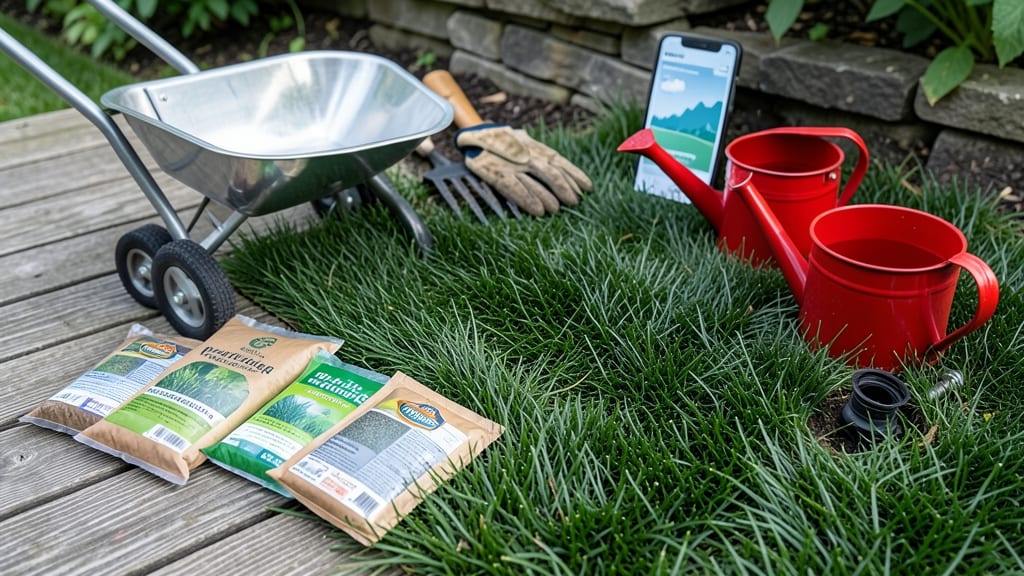
Planting grass seed in Utah at the right time can mean the difference between a lush, green lawn and a patchy, weed-infested mess.
Utah’s unpredictable weather—from scorching summers to sudden spring freezes—can turn grass seeding into a gamble if you plant at the wrong time. But timing it right ensures thick, weed-resistant lawns that outperform neighbors’ patchy yards.
For fast germination and best results, aim for early spring (March–April) or early fall (September–October), when soil temperatures hover between 50–65°F. Northern Utah’s cooler zones (5–6) need to wait until after the last frost, while Southern Utah’s warmer microclimates (7–9) can start earlier.
Below, I’ll break down the exact planting windows for your region, soil prep tips to outsmart weeds, and how to keep your new grass thriving year-round.
Best months to plant grass seed in Utah for fast germination
Utah’s high desert climate and mountain microclimates create unique challenges for grass seed germination. Unlike coastal regions, Utah’s dry air and temperature swings demand precise timing to avoid seed drying out or freezing.
The key? Plant when soil temps hit 50–65°F—a narrow window that varies by Utah’s Northern vs. Southern zones.
In Northern Utah (USDA zones 5–6), aim for late March to early April when frost risk drops but summer heat hasn’t arrived. Southern Utah (zones 7–9) can start slightly earlier—mid-February to March—thanks to milder winters.
Both regions also benefit from a fall planting window (September–October), when cooler temps and consistent moisture give seeds a fighting chance.
Why timing matters: Plant too early, and seeds may rot in cold soil. Too late, and summer heat or early frosts can kill young sprouts. Utah’s cheatgrass and other weeds also germinate quickly—outpacing your grass if you’re not careful. The solution? Soil temperature gauges and local frost date tracking.
Pro Tip: Use a soil thermometer to confirm temps before planting. For cool-season grasses (like Kentucky bluegrass), wait until soil reaches 50°F. Warm-season grasses (like Bermuda) need 65°F+—best left for late spring or early summer.
🌱 Utah Grass Seed Planting Timeline by Region
| Region | Best Planting Months | Soil Temp Threshold | Key Risks to Avoid | Local Tip |
|---|---|---|---|---|
| Northern Utah (Ogden, Logan) | Late March–Early April | 50–60°F | Late frosts, dry winds | Use straw mulch to retain moisture. |
| Salt Lake Valley (SLC) | Early April–Mid-May | 55–65°F | Heat waves, weed competition | Pre-treat soil with pre-emergent in March. |
| Southern Utah (St. George) | Mid-February–March | 60–65°F | Sudden cold snaps | Choose drought-resistant varieties like buffalo grass. |
| All Regions (Fall Window) | September–October | 50–60°F | Early frosts, fungal growth | Water deeply 2x daily for first week. |
For Northern Utah, the spring window closes fast—by mid-May, daytime temps often exceed 80°F, stressing young grass. If you miss spring, September is your next best shot, but act by October 1st to avoid early frosts.
In Southern Utah, you can stretch planting into early November thanks to milder winters.
Fall planting has advantages: cooler air reduces evaporation, and weed pressure drops as temperatures fall. However, Utah’s high desert humidity in fall can encourage fungal diseases like brown patch. To prevent this, avoid overwatering and ensure proper drainage.
If you’re unsure about your local frost dates, check the Utah Climate Center’s frost maps or ask your county extension office. For example, Park City averages its last frost on May 15th, while Moab sees frosts as late as November 1st.
Planting 4–6 weeks before these dates gives seeds time to establish roots before stress sets in.
One common mistake? Waiting for perfect weather. Grass seed needs consistent moisture, not just occasional rain. Use a sprinkler on a timer to keep soil evenly damp for the first 2–3 weeks. In Utah’s dry climate, this can
How to choose grass seed varieties that thrive in Utah’s conditions
Utah’s unique climate—with its high desert elevations and extreme temperature swings—demands grass seed varieties that can handle drought stress, low humidity, and intense sun exposure.
The wrong choice leads to brown patches, weed takeover, or thin growth that struggles to compete with cheatgrass and other invasive species. For a lawn that stays lush year-round, focus on three proven varieties: tall fescue, Kentucky bluegrass, and buffalo grass.
Each variety excels in different Utah microclimates. Tall fescue thrives in cooler northern regions (USDA Zones 5–6) and tolerates shade better than most grasses. Kentucky bluegrass dominates in moderate zones (6–7) like Salt Lake City, while buffalo grass is the ultimate drought warrior for southern Utah’s arid zones (7–9).
Let’s break down which grass suits your yard’s conditions and how to outsmart weeds from day one.
Grass Seed Varieties for Utah: Pros & Cons
Tall Fescue
- Pros: Drought-tolerant, shade-friendly, weed-resistant
- Cons: Needs moderate watering once established
Best for: Northern Utah, partial shade
Kentucky Bluegrass
- Pros: Fast germination, soft texture, cold-hardy
- Cons: Needs full sun, prone to thatch buildup
Best for: Salt Lake City, full sun
Buffalo Grass
- Pros: Zero water needs once established, native Utah grass
- Cons: Slow to germinate, thin appearance in shade
Best for: Southern Utah, full sun
If your yard gets less than 4 hours of sun daily, tall fescue blends with 10–15% fine fescue are your best bet. These mixes handle Utah’s partial shade while resisting cheatgrass and other weeds.
For full-sun areas, Kentucky bluegrass or buffalo grass will outperform cool-season grasses like ryegrass, which burn out in Utah’s summer heat.
Drought tolerance is non-negotiable in Utah. Buffalo grass needs no summer watering once rooted, while tall fescue can survive on half the water of Kentucky bluegrass. Test your soil’s moisture retention before choosing—sandy soils (common in southern Utah) drain too fast for bluegrass but work well with buffalo grass.
For weed suppression, opt for seed blends with 100% grass—no fillers. Brands like Jonathan Green or Scotts Turf Builder offer Utah-specific mixes with built-in pre-emergent herbicides to block cheatgrass. Apply a pre-emergent like pendimethalin 2 weeks before seeding to give your grass a head start.
Pro tip: If your lawn has existing weeds, till the soil to 1–2 inches deep before seeding. This buries weed seeds while creating a clean slate for your new grass.
Follow up with a light layer of compost to improve soil structure and water retention—critical for Utah’s low-humidity summers.
🌱