
Plants
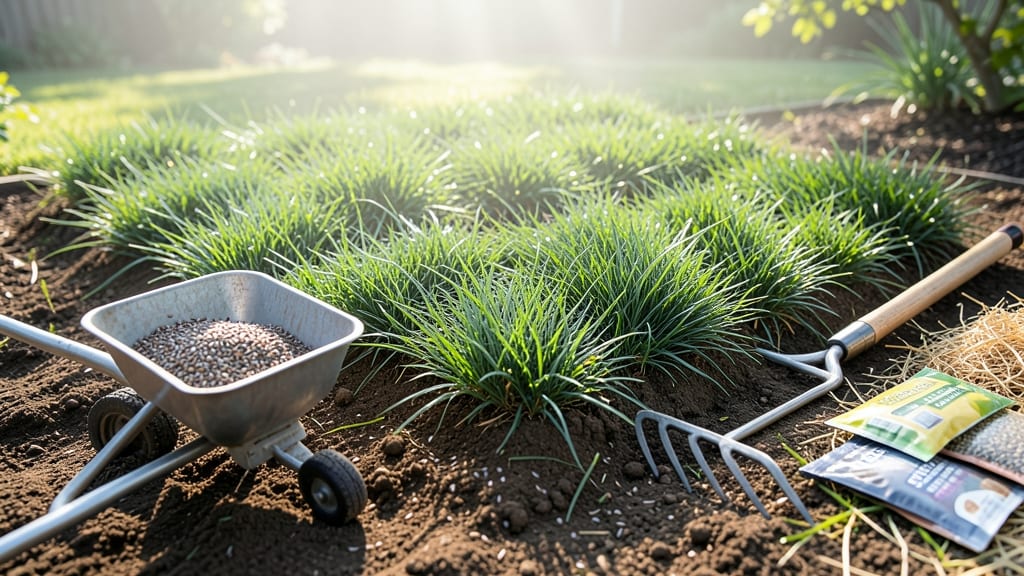
Planting grass seed in Wyoming at the right time means the difference between a thick, green lawn and a patchy, weed-filled disappointment.
Wyoming’s unpredictable climate can make timing your grass seed planting a high-stakes game—plant too early, and frost ruins your progress; too late, and weeds steal your lawn’s potential. But mastering the perfect window ensures a lush, resilient lawn that thrives in Wyoming’s unique conditions.
Cool-season grasses like Kentucky bluegrass and fescue need soil temperatures between 40-55°F to germinate, which means waiting for late March or early April in most of the state. High-altitude areas like Jackson Hole may need to wait until May, while lower elevations can start as early as February.
In this guide, you’ll learn how to check soil temperatures, pick the best grass varieties for Wyoming’s 4a-6b zones, and extend your planting season with simple tricks. Let’s get that lawn growing!
Wyoming’s ideal grass seed planting windows by soil temperature (not calendar date)
Wyoming’s cool-season grasses like Kentucky bluegrass and tall fescue thrive when planted during soil temperatures between 40°F and 55°F. Unlike calendar dates, these temps vary dramatically across Wyoming’s microclimates, from Cheyenne’s high plains to Jackson Hole’s mountain valleys.
Ignoring soil temp and planting too early risks frost damage, while waiting too late invites weed competition.
For spring planting, aim for when daytime soil temps hover around 50°F consistently—typically late April to early May in most regions. In fall, seed when temps drop to 55°F but before first frost (usually mid-September to early October).
These windows ensure strong root establishment before summer heat or winter dormancy.
Soil temperature matters more than air temperature because seeds need warmth to germinate, but not so much heat that they dry out. A soil thermometer ($10 at local garden centers) is your best tool—bury it 2 inches deep in moist soil and check daily. Wyoming’s elevation differences create huge variations: Jackson Hole’s 7,000-foot elevation may need 2 weeks later than Cheyenne’s 6,000 feet.
In Cheyenne, where last frost typically occurs around April 15, you can start seeding as early as late March if soil temps stay above 40°F. However, early spring planting carries frost risk—cover seeds with straw mulch if nights dip below freezing.
For Laramie’s cooler climate, wait until early May to avoid soil freezing at higher elevations.
Wyoming’s mountain regions, like Jackson Hole, often experience late frosts due to cold air pooling in valleys.
Plant here no earlier than mid-May, even if lowland areas are ready. Fall planting in these zones must finish by early September to allow 4-6 weeks of growth before first frost (usually October 1-15).
Pro tip: Test your soil 2 weeks before planting to confirm moisture and temperature.
If temps fluctuate wildly (common in Wyoming’s spring/summer transitions), use seed coatings or shade cloth to stabilize conditions. Kentucky bluegrass germinates fastest at 55°F, while tall fescue tolerates cooler 45°F soils—choose your variety based on your region’s planting window.
Timing isn’t just about soil temperature—it’s also about weed competition. Plant too late (after June 1), and crabgrass and cheatgrass will outcompete your lawn. Fall planting often yields better results because cooler temps reduce weed pressure and moisture levels stay ideal for germination.
For drought-prone areas like southeastern Wyoming, opt for tall fescue blends and plant in fall to establish deep roots before summer heat. In northern Wyoming, where short growing seasons
How to check soil temperature in Wyoming (and 3 pro tips to extend your planting season)
Checking your soil temperature is the secret weapon for Wyoming gardeners. Unlike calendar dates, soil temps tell you exactly when cool-season grasses like Kentucky bluegrass and tall fescue can germinate successfully.
In Wyoming’s USDA zones 4a-6b, air temps can be misleading—soil may still be too cold even when spring arrives.
For grass seed, aim for 40-55°F soil temps—this is when roots establish best. High-altitude areas like Jackson Hole (zone 5a) often need to wait until May, while lower elevations like Cheyenne (zone 5b) can start as early as late March.
A simple soil thermometer (available at Tractor Supply Co. or Local Greenhouse in WY) gives you precise data to avoid frost damage or slow germination.
- Use a soil thermometer at 2-4" depth (where seeds will germinate). Check temps mid-morning for accuracy.
- Wait for 3 consecutive days above 40°F—this ensures consistent warmth for germination.
- Adjust for altitude: Add 1-2 weeks to your timeline for every 1,000 ft elevation gain above 5,000 ft.
- Plant in late afternoon to protect seeds from windburn during Wyoming’s dry springs.
- Water lightly after planting to settle seeds without displacing them—use a gentle mist setting.
Once you’ve confirmed the right soil temp, extend your planting window with these 3 pro tips. First, use mulch (straw or shredded leaves) to insulate soil and keep temps stable. A 2-inch layer can add 2-3°F warmth, letting you plant 1-2 weeks earlier.
For high-altitude areas, shade cloth (30-50% coverage) reduces heat loss at night, creating a microclimate that mimics lower elevations.
For an extra boost, try seed coatings designed for cold soils. Products like Biozome or Mycorrhizal inoculants enhance root growth in cooler conditions, letting seeds establish faster. These coatings are especially useful in Wyoming’s dry springs, where moisture retention is critical.
Pair them with a light irrigation schedule (1/4 inch daily) until germination occurs.
Don’t let Wyoming’s unpredictable frost dates derail your lawn plans. By monitoring soil temps and using these extensions, you can push your planting window by 2-3 weeks—giving your grass a head start before summer heat arrives.
Start testing your soil now, and you’ll be mowing a lush lawn before your neighbors even begin!