
Plants
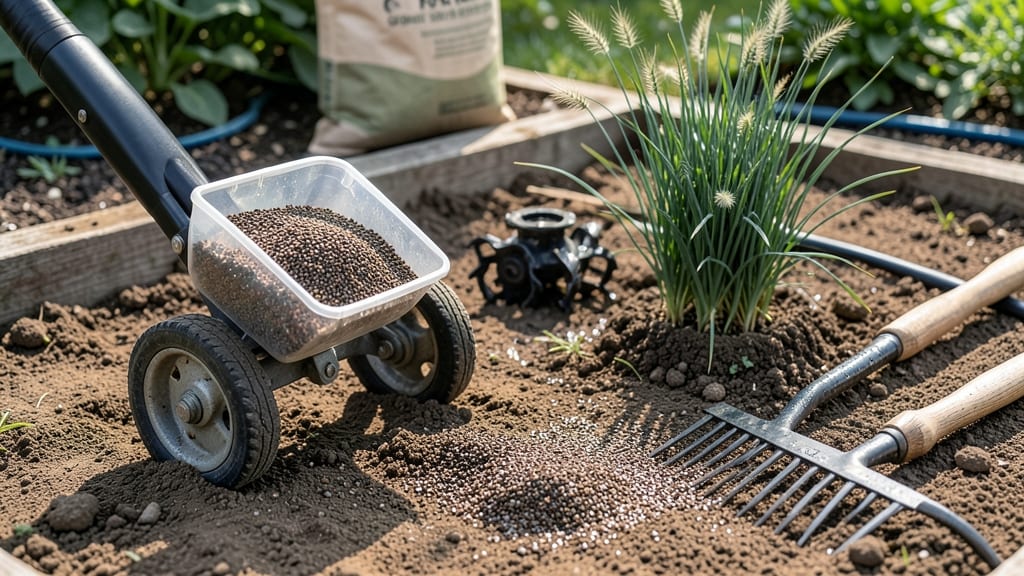
Planting grassseed in East Tennessee at the right time ensures strong root growth before summer heat or winter frost hits.
Struggling to get a lush, green lawn in East Tennessee? Timing is everything—plant grassseed too early and risk frost damage, too late and face summer drought stress.
East Tennessee’s USDA Zones 6a-7b mean your frost-free window is tight, but knowing the ideal soil temperature (55°F+) and local frost dates can make all the difference.
Here’s your step-by-step guide to picking the perfect planting window, adjusting for microclimates, and avoiding common mistakes that ruin lawns.
Best planting months in East Tennessee: soil temperature & frost-free guidelines
East Tennessee’s USDA Zones 6b-7a create unique challenges for lawn care, with frost-free dates varying dramatically between Knoxville’s river valleys and the Smoky Mountains’ high elevations. For grass seed germination, timing is critical—plant too early and risk frost damage, too late and face summer drought stress.
The ideal window focuses on soil temperatures above 55°F and consistent moisture.
Most East TN regions experience their last spring frost between mid-April and early May, while the first fall frost typically arrives in mid-October. These dates create two prime planting windows: early spring (March-April) and early fall (September-October).
Knoxville averages 180 frost-free days, while higher elevations like Gatlinburg may have 150 days or fewer.
The summary-table below breaks down optimal planting months by location, soil temperature thresholds, and frost-free guidelines to help you time your grass seed perfectly for your East TN microclimate.
For spring planting, aim to seed when daytime temperatures consistently stay above 60°F and nighttime temps remain above 45°F. In East TN, this typically aligns with late March to early April in lower elevations but may shift to April-May in higher elevations like the Smokies.
Use a soil thermometer to confirm temperatures—grass seeds need 55°F+ soil to germinate properly.
Fall planting offers cooler temperatures and reduced weed competition, making it ideal for September-October seeding. The key is to plant 6-8 weeks before first frost, allowing seeds time to establish roots before winter dormancy.
In Knoxville, this means late August to mid-September, while Gatlinburg’s shorter season may require September planting only.
East TN’s clay-heavy soils can delay warming, so avoid planting until soil temperatures stabilize. Test your soil’s moisture retention—dry clay can bake seeds, while soggy soil risks rot.
Amend with compost or sand if needed to improve drainage and warmth absorption. A simple DIY soil test (jar method) can help gauge moisture levels before seeding.
Urban areas like Chattanooga experience heat islands that may allow earlier spring planting, while river valleys like Knoxville benefit from moderate humidity. Higher elevations face shorter seasons, so prioritize fast-germinating varieties like tall fescue or fine fescue.
Always check local Almanac frost dates—they’re updated annually and account for climate shifts.
Pro tip: If you miss the ideal window, late summer (August) can work for fast-growing varieties, but expect slower establishment due to heat stress. Always water deeply after planting—East TN’s summer droughts can kill young grass if seeds dry out.
A light mulch of straw helps retain moisture without smothering new shoots.
How to adjust your planting schedule for East Tennessee’s microclimates
East Tennessee’s diverse geography means your grassseed planting schedule should vary dramatically between high-elevation Gatlinburg and urban Chattanooga. The Smoky Mountains’ cooler temps can delay spring planting by 2-3 weeks compared to Knoxville’s river valleys. Understanding these microclimates lets you fine-tune your timeline for optimal germination.
Start by checking your local frost dates. Gatlinburg’s last frost often hits May 10th, while Chattanooga averages April 15th. River valleys like Knoxville typically see frost-free conditions by April 1st. Use these dates to calculate your 60-day germination window before summer heat arrives.
Here’s how to adjust your planting schedule based on East Tennessee’s key microclimates:
- High Elevation (Gatlinburg, 3000+ ft): Wait until May 1st for spring planting. Soil warms slower here—test for 55°F+ before seeding. Fall planting can extend to October 15th due to later frosts.
- Urban Heat Islands (Chattanooga): Start spring planting by March 15th. Pavement raises temps—water daily for 2 weeks after seeding. Fall planting works until October 1st before heat waves return.
- River Valleys (Knoxville): Plant as early as March 1st for spring. Soils warm faster here—cover seed with straw mulch to retain moisture. Fall planting ideal until September 30th before first frosts.
- Shaded Areas (All Regions): Shift planting to fall (September-October). Spring planting requires shade-tolerant varieties like fine fescue. Increase watering frequency by 30% due to slower drying.
Don’t ignore rainfall patterns—Gatlinburg’s wet springs can delay planting until soils dry enough to work. In Chattanooga, summer droughts mean fall planting often succeeds better than spring. For river valleys, September’s consistent rains create perfect conditions for seedling establishment.
Adjust your sun exposure expectations too. High-elevation areas get 20% less sunlight than valleys. If planting in partial shade, choose tall fescue blends that tolerate lower light. Always test your site’s sunlight hours for 6+ hours daily—the minimum for healthy grass.
Fine-tune your schedule by monitoring local weather forecasts 2 weeks before planting. Look for 5-day forecasts showing consistent temps above 60°F and minimal rain. This gives seedlings the best chance to establish before summer heat or winter frost arrives.