
Plants
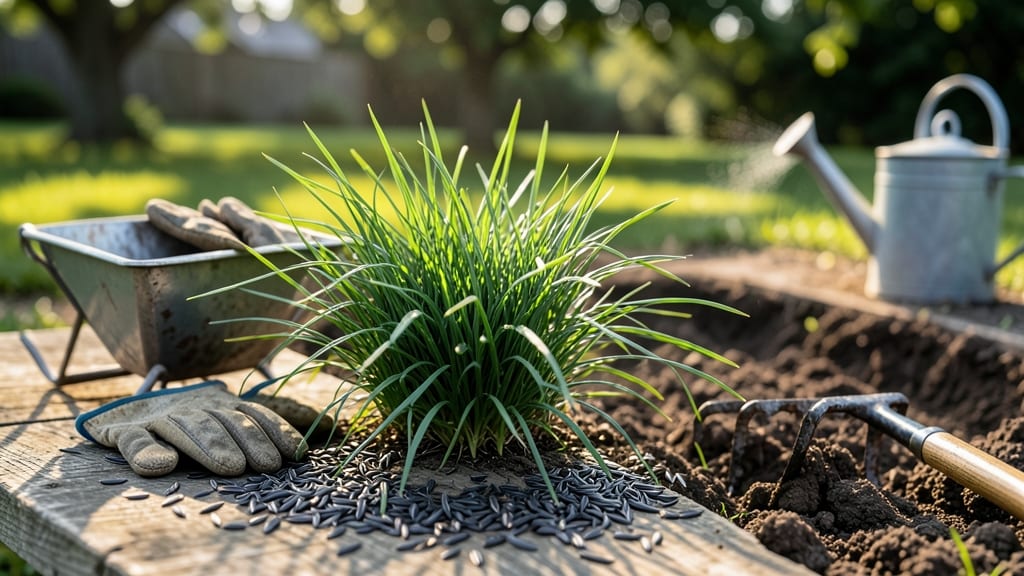
To plant rye grass seed in Texas at the right time means the difference between a lush, frost-resistant lawn and a patchy, struggling mess 🌱.
Picture this: You’ve spent hours prepping the soil, only to watch your rye grass seeds sprout too late—just as winter frost moves in. Or worse, you plant in the heat of summer and end up with weak, drought-stressed grass that never recovers.
Timing is everything, and Texas’s varied climate zones make it even trickier.
Whether you’re in North Texas, where frosts can hit as early as December, or South Texas, where mild winters stretch into January, the best window for planting rye grass seed is late summer to early fall—typically between August and October.
This gives the grass roots time to establish before the cold sets in, ensuring it stays green and resilient all winter.
In this guide, I’ll break down the fastest germination times by region, how to adjust for early or late frosts, and the one mistake that kills more rye grass lawns than anything else. Let’s get your Texas lawn off to the right start.
Best months to plant rye grass seed in Texas for fast germination
Timing is everything when planting rye grass seed in Texas, where soil temperatures and frost patterns vary dramatically by region. Plant too early, and you risk fungal diseases from lingering heat. Plant too late, and your grass may struggle to establish before winter frost hits.
The key is finding that sweet spot where soil temps drop to 60-75°F—perfect for germination without inviting pests.
Texas spans USDA zones 6a to 10a, meaning North Texas (like Dallas) gets frost by December 1, while South Texas (like San Antonio) holds off until November 15. Central Texas falls somewhere in between.
By aligning your planting with these regional frost dates, you’ll ensure your rye grass has 6-8 weeks to establish deep roots before winter dormancy sets in.
For fast germination and frost resistance, I recommend focusing on two windows: early fall (August–September) and late fall (October).
Early fall gives your grass time to grow before the first frost, while late fall is a backup for those who miss the ideal window. Soil temperature is your best guide—aim for 60-75°F at a 4-inch depth for optimal seed activity.
| Texas Region | Best Planting Window | Soil Temp Threshold (°F) | First Frost Date | Key Tip |
|---|---|---|---|---|
| North Texas (Dallas, Fort Worth) | Late August–Early October | 60–75°F | December 1 | Plant by September 15 for best frost resistance. |
| Central Texas (Austin, Waco) | Mid-August–Late September | 65–75°F | November 15 | Avoid planting after October 1—soil cools too fast. |
| South Texas (San Antonio, Corpus Christi) | Early September–Mid-October | 70–75°F | November 1 | Warmer soil means slower germination—water daily until sprouts appear. |
| High Plains (Lubbock, Amarillo) | Early September–Early October | 55–65°F | November 10 | Use mulch to retain heat and speed germination. |
If you’re in North Texas, aim to plant by September 15—this gives your rye grass enough time to establish before the first frost hits in early December.
In Central Texas, you’ve got a little more flexibility, but don’t push past October 1, or your seeds may struggle to germinate before soil temperatures drop too low.
For South Texas, where winters are milder, you can extend your window into mid-October. However, the warmer soil means slower germination, so keep the seedbed consistently moist until sprouts appear. A light mulch layer (like straw) helps retain moisture and regulate soil temperature.
One common mistake I see is planting rye grass too late in the fall. If you miss the August–October window, your grass may not have time to develop a strong root system before winter dormancy.
This leads to weak growth in spring and poor frost resistance. Always check your local frost date and adjust accordingly.
Another pro tip: If you’re in a drought-prone area like the High Plains, consider planting annual ryegrass varieties like Marshall
How to choose planting dates based on Texas frost patterns
Texas frost patterns can make or break your rye grass seed success. Planting too early risks frost damage, while planting too late means weak roots before winter. The key is aligning your schedule with first frost dates across Texas' diverse zones.
For most regions, aim to plant 4-6 weeks before frost—typically late August to early October—to give seedlings time to establish before cold snaps hit.
North Texas (Zones 7-8) faces earlier frosts—mid-November to December—so start planting by mid-September. Central Texas (Zones 8-9) has a longer window, with frosts arriving late November to January, allowing planting until mid-October.
South Texas (Zones 9-10) can push planting to early November since frosts are rare until December or later. Always check your local USDA Plant Hardiness Zone for precision.
🌱 Numbered Highlights: Texas Frost & Planting Timeline
- 1. Check frost dates: Use Texas A&M AgriLife maps or local weather reports to find your first frost date.
- 2. Plant 4-6 weeks before frost: For North Texas, plant by September 15; Central Texas by October 15; South Texas by November 1.
- 3. Soil temp matters: Wait until soil cools to 60-70°F for best germination.
- 4. Extend the season: Use mulch (3-4 inches) or row covers to delay frost impact.
- 5. Monitor forecasts: Adjust planting if an early frost warning appears.
If you miss the fall window, don’t panic—early spring planting (February-March) works too. Rye grass thrives in cooler temps, so aim to plant 4-6 weeks after the last frost of winter.
For example, in North Texas, where last frosts often hit mid-February, plant by late March to avoid summer heat stress. Always test soil moisture; dry spells in spring can delay germination.
Protective measures like mulch or row covers can extend your planting window by 2-3 weeks. Apply straw mulch (2-3 inches) after planting to insulate roots and retain moisture. For late plantings, use frost blankets on seedlings during 28-32°F nights.
These tricks let you plant closer to frost dates without risking seedling death. Just remember: mulch too early can overheat soil, so time it right!
Common mistakes include planting too late in fall (roots won’t establish) or ignoring soil temps (seeds rot if too warm). Always test soil moisture before planting—stick your finger in; if it’s dry past 2 inches, water deeply first.
For drought-prone areas, consider drought-resistant varieties like 'Marshall' rye grass, which handles Texas heat better than standard types.
By aligning your planting with frost patterns and using protective measures, you’ll get a thick, frost-resistant lawn that outlasts Texas winters. Start with the right timing, and your rye grass will reward you with vibrant green coverage all season long. Happy planting! 🌿