
Plants
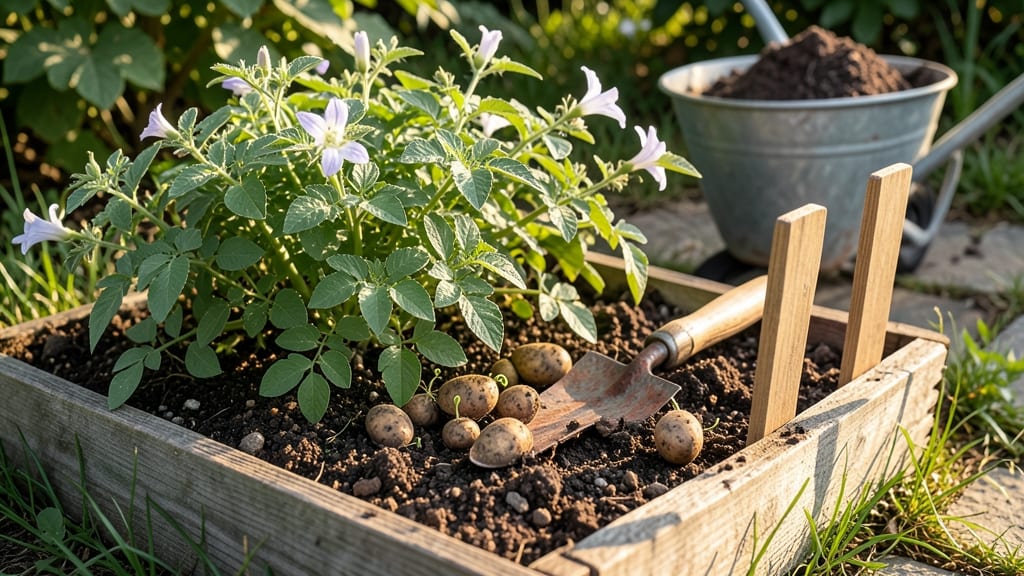
Planting seed potatoes in Australia depends on your region’s frost-free window — aim for late winter to early spring when soil warms to 10°C+.
Timing is everything when growing seed potatoes in Australia—plant too early, and frost ruins your crop; too late, and you miss the sweet spot for maximum yield. Mastering your region’s microclimate ensures vigorous sprouts and a bumper harvest.
In temperate zones like Victoria or Tasmania, start chitting potatoes indoors in August and plant by September to avoid early frosts. Meanwhile, subtropical Queenslanders can begin as early as June, while tropical areas like northern NSW may wait until July.
Below, I’ll break down the exact planting windows for your zone, soil prep tricks to boost sprouts, and how to adjust for late frosts or heatwaves—so you get strong tubers every time.
Australia’s planting zones for seed potatoes: when to start chitting and planting
Australia’s diverse climate means your seed potato planting window varies dramatically from Tasmania’s chilly zones to Queensland’s warm tropics. Getting the timing right ensures your tubers develop strong sprouts before frost hits or summer heat stresses them.
Let’s break down the ideal chitting and planting schedules for each region to maximize your harvest.
First, chitting (pre-sprouting) your seed potatoes is a game-changer—it jump-starts growth by 4-6 weeks. Place your potatoes in a light, cool spot (7-10°C) with their eyes facing upward. Once sprouts reach 1-2cm, they’re ready to plant. But when? That depends entirely on your planting zone.
In temperate zones like Victoria or Tasmania, wait until after your last frost date—typically mid-September—before planting. Soil should be at least 10°C to prevent cold soil shock, which stunts growth. Use a soil thermometer to check; if it’s cooler, delay planting by 1-2 weeks.
For subtropical regions, such as the Brisbane or Byron Bay areas, start chitting earlier to beat the heat. Plant in late August when soil temps hit 12°C. Here, the real challenge is avoiding summer heat stress, so opt for early-maturing varieties like Desiree or Kennebec.
In tropical zones, like Cairns or Darwin, potatoes thrive in cooler months. Plant during the dry season (June-August) when temps are mild. The key is well-draining soil—tropical regions often struggle with waterlogging, which causes rot. Raised beds help immensely.
One common mistake? Planting too early in cooler climates. If your soil is below 10°C, your potatoes won’t sprout properly. Use black plastic mulch to warm the soil faster if needed.
Conversely, in hotter zones, planting too late means your crop matures during scorching summer, reducing yield.
Pro tip: Test your soil’s readiness by pressing your finger into the ground. If it feels cool but crumbly, it’s time to plant. If it’s rock-hard or muddy, wait another week. Frost-free dates are your best friend—check the BOM (Bureau of Meteorology) for your local area.
Once planted, maintain consistent moisture—potatoes hate dry spells or waterlogged soil. Mulch with straw or grass clippings to retain moisture and regulate temperature. With the right timing, you’ll harvest firm, disease-free tubers in 3-4 months.
Remember, regional microclimates matter. A sheltered valley might be 2 weeks warmer than the surrounding hills. Observe your garden’s unique conditions and adjust accordingly. Happy planting!
How to time your planting for maximum yield: soil temperature, moon phases, and frost alerts
Perfect timing for seed potatoes starts with soil temperature—they need 10°C+ to sprout reliably. Use a soil thermometer to check depths of 10-15cm; in Victoria and Tasmania, this usually happens by mid-September, while Queensland can plant earlier in July-August.
Moon phases also influence planting success. The waxing moon (when the moon is growing) is ideal for root crops like potatoes because it encourages downward energy. Check a lunar planting calendar and aim to plant during the first quarter for best results.
Don’t ignore frost alerts—even hardy varieties like Kennebec can suffer if temperatures drop below -2°C. Use the Bureau of Meteorology frost forecasts to adjust planting dates, especially in cool-climate regions where late frosts are common.
🌱 Critical Timing Checklist for Seed Potatoes
- 1. Soil Temp: Wait until soil reaches 10°C+ (use a thermometer).
- 2. Moon Phase: Plant during the waxing moon for stronger roots.
- 3. Frost Risk: Avoid planting 4 weeks before the last expected frost.
- 4. Chitting: Start 6-8 weeks before planting in cooler zones.
- 5. Depth: Bury potatoes 10cm deep with 20cm spacing.
For Victoria and Tasmania, combine soil warmth with moon phases—plant during the waxing moon in late September to ensure tubers form before summer heat. In Queensland, where frost is rare, focus on soil temperature and plant in July-August.
Protect young plants with frost cloth if late frosts threaten. Mulch with straw or grass clippings to retain soil warmth and prevent temperature swings. This simple step can boost yields by 20-30% in marginal climates.
Adjust your planting window if heatwaves are forecast. In tropical regions, plant in early July to avoid summer drought stress. Always monitor weather patterns—consistency is key to a successful potato harvest.