
Planting
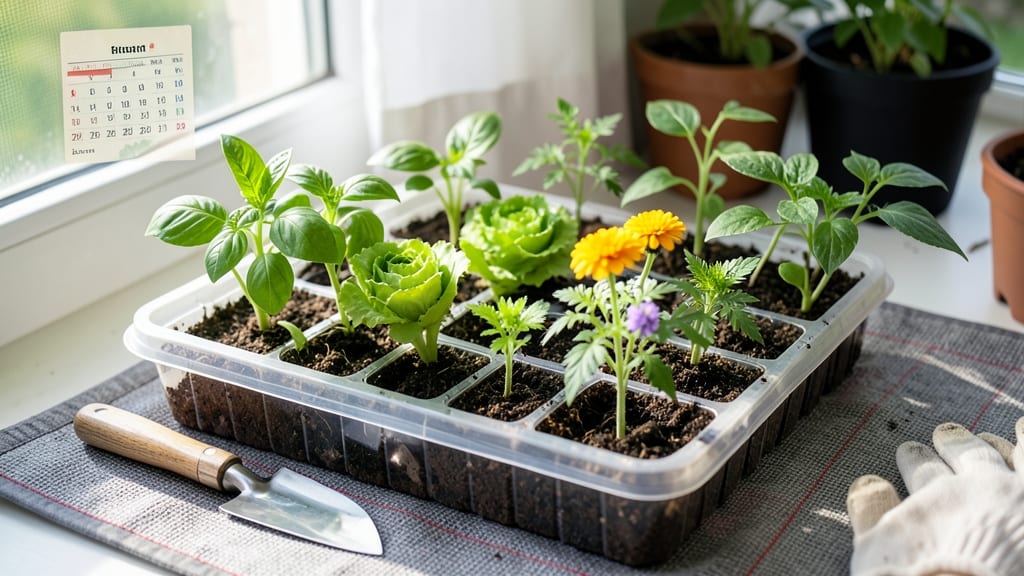
To plant seed starters at the right time means healthy, vigorous seedlings ready for transplanting—yet many gardeners miss the window by weeks, risking weak or stunted growth.
Picture this: you’ve nurtured your 🌱 seed starters indoors for months, only to rush them outside too soon or too late, leaving them vulnerable to frost or overheating. The key is knowing your zone’s last frost date and adjusting for cool-season vs. warm-season plants.
In USDA Zone 6a, like much of the Midwest, the ideal window for transplanting is April 15 or later, but timing varies by plant type. Start indoors 6-8 weeks before your last frost, then harden off seedlings gradually to avoid shock.
Below, I’ll break down the exact zone-specific deadlines, common mistakes to avoid, and a checklist to ensure your seedlings thrive—no guesswork, just healthy transplants every time.
Zone-by-zone seed starter planting deadlines for optimal transplanting
Getting your seed starter timing right means the difference between thriving transplants and sad, leggy failures. The key? Understanding your USDA hardiness zone and calculating your last frost date—because warm-season crops like tomatoes and peppers need heat, while cool-season lettuce and spinach can handle chilly soil.
I’ll break down the exact deadlines for zones 3 through 11, so you can transplant confidently—no more guessing!
First, find your zone using the USDA Plant Hardiness Zone Map. Then, work backward from your average last frost date (find it via your local agricultural extension office or weather service).
For most seedlings, you’ll want to transplant 2-4 weeks after your last frost date—unless you’re using row covers or a greenhouse to push the window earlier.
| Zone | Last Frost Date (Approx.) | Indoor Start Date (Weeks Before Last Frost) | Transplant Deadline | Notes |
|---|---|---|---|---|
| 3-4 (Cold Climates) | May 15 | March 15 (8-10 weeks) | June 1 | Use row covers for earlier planting |
| 5-6 (Northern US) | April 30 | March 1 (6-8 weeks) | May 15 | Cool-season crops can start earlier |
| 7-8 (Mid-Atlantic) | April 15 | February 15 (6-8 weeks) | May 1 | Warm-season plants need heat |
| 9-10 (Southern US) | March 1 | January 1 (6-8 weeks) | April 15 | Longer growing season—start early! |
| 11 (Tropical) | None (Year-round) | Year-round (adjust for heat) | Flexible | Use shade cloth for heat-sensitive plants |
For cool-season crops like kale or carrots, you can start seeds outdoors 4-6 weeks before your last frost date—even if the ground is still cold. But for warm-season crops, wait until soil temperatures reach 60°F+ (use a soil thermometer) before transplanting.
In zones 9-11, you can even plant fall crops like spinach or radishes in late summer for a second harvest!
Pro tip: If you’re in a northern zone (3-6), consider using a cold frame or hoop house to extend your transplant window by 2-3 weeks. For southern zones (7-11), focus on shade cloth to protect seedlings from intense afternoon sun during hot flashes.
Both tricks can make or break your transplant success!
One common mistake? Starting warm-season crops too early indoors. If you plant tomato seeds in January in zone 7, your seedlings will be overgrown and weak by transplant time.
Instead, stick to the 6-8 week rule before your last frost. For cool-season crops, you can start 6-10 weeks early—they thrive in cooler temps!
Don’t forget to harden off your seedlings before transplanting! This means gradually exposing them to outdoor conditions over 7-10
How to adjust planting times for early vs. late varieties
Adjusting planting times for early vs. late varieties is the secret to a longer harvest season. Some plants, like spinach and kale, thrive in cooler temperatures, while others, such as tomatoes and peppers, need warmth.
Understanding these differences helps you avoid transplanting too early or too late, which can stress seedlings or expose them to frost damage.
For cold-hardy varieties, you can start seeds indoors 8-10 weeks before your last frost date. These plants often tolerate light frosts, giving you a head start.
Meanwhile, heat-sensitive plants like basil and cucumbers should wait until after the last frost or use protective measures like row covers to extend their growing window.
Here’s how to fine-tune your planting schedule for both types:
Succession planting is another game-changer. Instead of planting all your seedlings at once, space out your plantings every 2-3 weeks. This ensures a steady supply of fresh produce and maximizes your garden’s potential.
For example, if you love bush beans, plant a new batch every few weeks to enjoy them all summer long.
For heat-sensitive varieties, consider using a greenhouse or cold frames to push your planting window earlier. These structures trap heat, allowing you to start seeds or transplant earlier than your last frost date would suggest. Just be sure to ventilate on warm days to prevent overheating.
Finally, always keep an eye on your local weather forecasts and adjust as needed. A late frost can delay your outdoor planting, while an unusually warm spring might allow you to start earlier. Flexibility is key to a thriving garden! 🌱