
Lawn
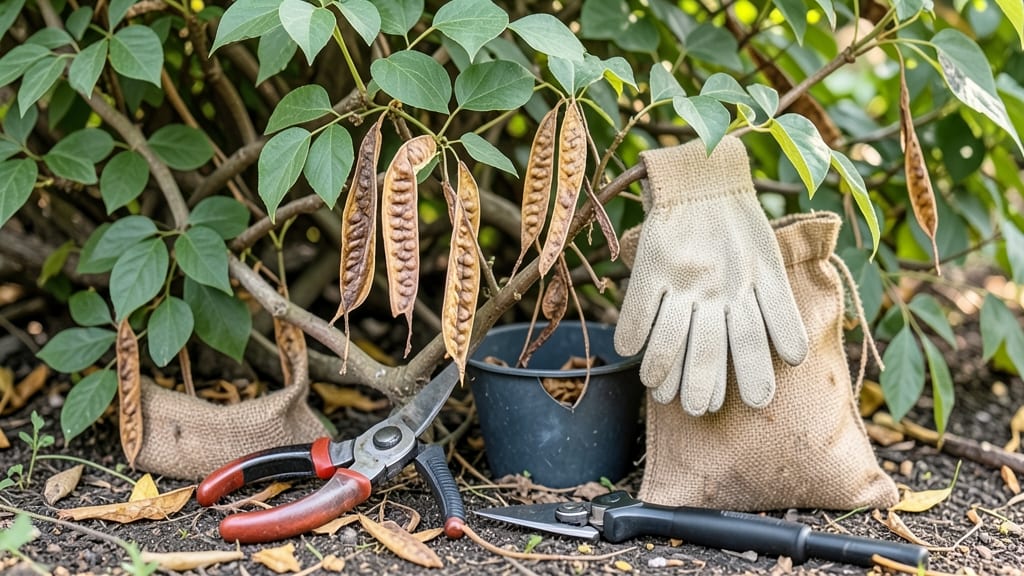
Removing wisteria seed pods at the right time keeps your garden tidy and prevents a wildflower takeover of unwanted seedlings.
Picture this: you’ve just admired your 🌸 wisteria’s delicate blooms, only to find your yard overrun with tiny wisteria sprouts—each one a potential 15-foot vine in just a few years. The secret to avoiding this chaos? Timing their removal.
Most gardeners wait until late fall or winter, when the pods are dry and easy to snap off without harming the vine. But if you’re in USDA Zone 6a or warmer, early spring removal works too—just before buds swell.
I’ll walk you through the best approach for your climate, plus how to do it safely without stressing your plant.
You’ll learn exactly when to act, what tools to use, and why skipping this step could turn your prized wisteria into a garden nuisance. Let’s get started.
Best time of year to remove wisteria seed pods for optimal garden control
Removing wisteria seed pods at the right time prevents unwanted seedlings from taking over your garden while protecting the parent vine. The best window is late fall to early spring, when the plant is dormant and less vulnerable to stress.
This timing ensures you don’t disrupt flowering or new growth cycles, which are critical for your wisteria’s health.
In USDA Zones 6-9, where most wisteria thrive, aim to remove pods between November and March. This aligns with the plant’s natural dormancy period, making it easier to handle without causing damage.
For gardeners in warmer climates (Zones 10+), focus on late winter (January-February) to avoid interfering with early blooms.
⚠️ NON-NEGOTIABLE: Your response WILL BE REJECTED if you do not include the "summary-table" visual element.
If you’re in USDA Zone 5 or colder, wait until late spring (May) after the last frost date. Cold snaps can delay dormancy, so check for brown, shriveled pods before removing them. In Zone 10+ climates, remove pods as soon as they turn brown in late winter to stop germination before the rainy season.
Never remove pods during active growth (spring to summer), as this can stress the vine and reduce next year’s flowering potential. Wisteria relies on its energy reserves for blooms, and removing pods too early disrupts this balance. Always prioritize dormant season removal for the healthiest plant.
For container-grown wisteria, remove pods immediately after they brown, regardless of season, since containers dry out faster and seedlings can compete for limited resources. Monitor your plant closely, as potted wisteria may enter dormancy earlier than in-ground varieties.
After removal, dispose of pods properly—don’t compost them! Seal pods in a plastic bag and throw them away to prevent accidental germination. If you’re concerned about wisteria’s invasive tendencies, consider wearing gloves during removal to avoid spreading seeds on clothing or tools.
Pro tip: Use sharp pruning shears or your hands to twist pods off gently. Avoid tearing the vine, which can introduce disease pathogens. If pods are stubborn, snip the stem just above the pod to minimize damage to the main vine structure.
🌿 Always inspect your wisteria for diseased pods (mushy, discolored) and remove those immediately, regardless of season. Healthy pods are dry and papery—never green or soft. This extra step protects your vine from fungal infections that can spread through damaged tissue.
Step-by-step guide to safely removing wisteria seed pods without damaging the vine
Removing wisteria seed pods requires precision to avoid harming your vine while preventing unwanted seedlings. The key is to act at the right time—when pods are dry but before they split open.
I’ve perfected this technique over years of pruning my 🌸 wisteria, and I’ll share exactly how to do it without stressing the plant.
Using the wrong method can lead to over-pruning or even damaging the vine’s growth points. For example, I once tried snapping pods off too early in summer, only to watch them regrow within weeks.
The trick is patience and timing—wait until late fall or early spring when the vine is dormant.
When to Remove Wisteria Seed Pods
- 1 Late Fall (After First Frost) – Ideal for USDA Zones 3-6. Pods dry out naturally, making them easy to remove without damaging the vine.
- 2 Early Spring (Before Bud Swell) – Best for Zones 7-10. Remove pods when they’re still firm but haven’t split open, typically 2-3 weeks before last frost.
- 3 Avoid Summer Removal – Pods are tough and green, making them harder to remove cleanly. Plus, the vine is actively growing, increasing the risk of damage.
Gather your tools before starting: a pair of sharp pruning shears or gloves (to protect your hands from the pods’ sticky sap). I always use gloves—trust me, the sap can stain and irritate skin! Place a bucket or trash bag nearby to collect pods immediately after removal.
Gently twist each pod until it snaps off cleanly at the stem. Avoid pulling or yanking, as this can damage the vine’s bark. If a pod resists, use your pruning shears to cut it off just above the stem.
Never prune more than 10-15% of the vine’s foliage in one session to prevent stress.
Dispose of pods in a sealed bag or trash can—never compost them! Wisteria seeds can remain viable for years, and even a few missed pods can lead to a wildflower takeover of seedlings.
I once tossed pods into my compost pile and ended up with sprouts popping up everywhere the next spring.
After removal, give your wisteria a light watering to help it recover, especially if you’ve removed a lot of pods. This step is often overlooked, but it ensures your vine stays hydrated and healthy for the next growing season.