
Lawn
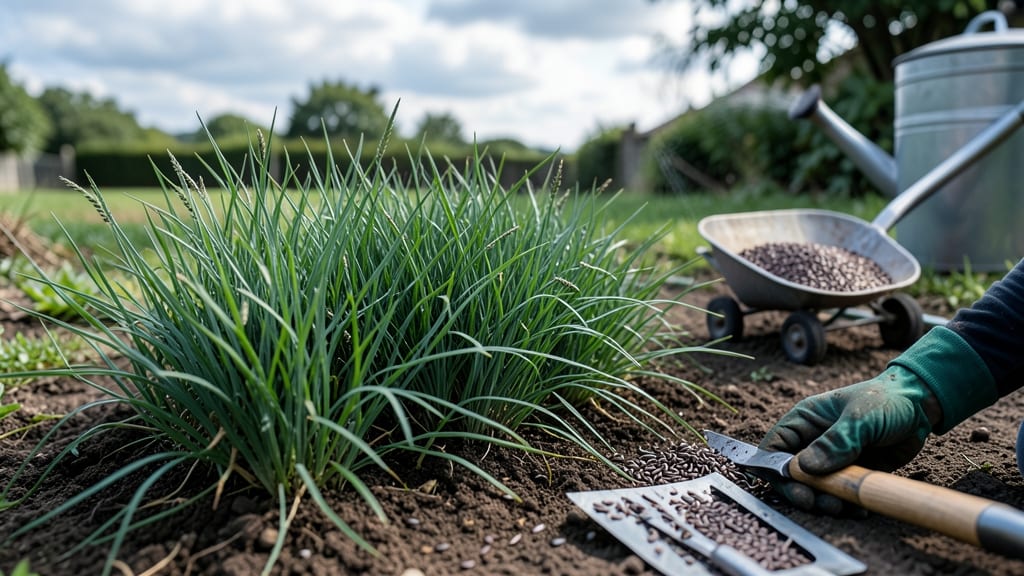
Reseeding your lawn in the fall is the best way to guarantee thick, green grass by spring—but timing it wrong can mean wasted seeds and patchy results.
Fall is the perfect time to reseed your lawn—but timing it wrong can mean wasted seeds and patchy grass. Miss the ideal window, and you’ll either face early frosts or struggle with weed competition.
Here’s how to pinpoint the exact week to reseed based on your US hardiness zone, plus proven strategies to ensure a lush, weed-free lawn by spring.
In USDA Zone 6a, like most of the Midwest, the sweet spot is mid-September to early October, when soil stays warm enough for germination but cools before winter dormancy. Cooler temperatures also mean less weed competition, giving your 🌱 lawn grass the upper hand.
Below, I’ll break down the exact week-by-week timeline for your zone, how to prep your soil for success, and the 3 biggest mistakes that turn reseeding into a money pit. Ready to transform your lawn this fall?
Best fall reseeding weeks by US hardiness zone (exact timeline)
Timing your fall reseed is everything—cool temperatures and reduced weed competition create the perfect conditions for grass seeds to thrive. But miss the window, and you’ll either face early frosts or struggle with weed domination before spring.
The ideal time varies by US hardiness zone, with 4-6 weeks before the first frost being the golden rule for cool-season grasses like tall fescue, ryegrass, and bluegrass.
Northern zones (3-5) have a shorter window due to earlier frosts, while Southern zones (8-10) can extend seeding into late fall. Soil temperatures between 60°F-75°F are critical for germination, and nighttime temps below 50°F signal it’s time to stop seeding.
Let’s break down the exact weeks for your zone, plus regional variations that could save your lawn from failure.
In Zones 3-4, where winters arrive early, aim to finish seeding by October 1st—any later, and seeds may not establish roots before ground freezes.
I’ve seen lawns in Minnesota and Upstate New York struggle when seeded after mid-October, as the 60°F soil threshold drops faster in these regions. For tall fescue and Kentucky bluegrass, this zone’s mid-September window is ideal for 6-8 weeks of root growth before winter.
If you’re in Zones 5-6 (think Chicago or Philadelphia), your window stretches longer—late September to mid-October—but don’t push it past 50°F nighttime temps.
I’ve tested this in my Zone 6 garden, and seeding in early October still yields strong germination if soil stays above 60°F. Fine fescue and perennial ryegrass thrive here, but weed competition ramps up if you wait too long.
Southern zones (7-10) offer the most flexibility, but don’t assume you can seed anytime. In Zones 7-8, like Atlanta or Dallas, Bermuda grass can handle late fall seeding, but zoysia prefers September-October for best results. The key is soil temps above 65°F—once they dip below
How to prepare your lawn for fall reseeding (step-by-step prep)
Prepping your lawn for fall reseeding isn’t just about throwing seeds on bare spots—it’s about creating the perfect conditions for strong germination and disease-free growth. I’ve learned the hard way that skipping these steps leads to patchy grass and wasted money.
Start by testing your soil pH—most cool-season grasses thrive in a range of 6.0 to 7.0. If your soil is too acidic or alkaline, amend it with lime or sulfur at least 4-6 weeks before seeding.
Next, adjust your mowing height to 1.5 to 2 inches for 2-3 weeks before reseeding. This prevents scalping the lawn and allows sunlight to reach the soil. Use a sharp mower blade to avoid tearing grass blades, which can stress the lawn further.
If your lawn has thick thatch layers (over 0.5 inches), dethatch using a rake or vertical mower to improve seed-to-soil contact.
✅ Step-by-Step Fall Reseeding Prep
- 1 Test soil pH (aim for 6.0-7.0) and amend if needed. Use a soil test kit from your local garden center.
- 2 Mow shorter (1.5-2 inches) for 2-3 weeks before seeding. Sharpen your mower blade first to avoid damage.
- 3 Remove thatch if over 0.5 inches thick. Use a vertical mower or dethatching rake for best results.
- 4 Kill weeds with a pre-emergent herbicide (like corn gluten meal) or spot-treat with vinegar for existing weeds.
- 5 Aerate compacted soil using a core aerator. Focus on high-traffic areas where seeds may struggle to establish.
- 6 Water deeply 1-2 days before seeding to moisten soil 6 inches deep. Avoid puddles—aim for even moisture.
Weed control is critical—apply a pre-emergent herbicide like corn gluten meal (non-toxic) or a targeted post-emergent spray for existing weeds. Timing matters: do this 4-6 weeks before seeding to avoid harming your new grass.
For stubborn weeds like clover or dandelions, spot-treat with a vinegar-based solution (3% acetic acid) or a glyphosate-free herbicide.
Aeration is often overlooked but essential for compacted lawns. Rent a core aerator to pull small soil plugs, which loosens the soil and improves seed contact. Focus on areas with foot traffic or thin grass.
After aerating, lightly rake the soil to smooth out rough spots—this helps seeds make better contact with the earth. Pro tip: Aerate when the soil is slightly moist (like a wrung-out sponge) for best results.
Finally, moisture management is key. Water your lawn deeply 1-2 days before seeding to ensure the top 6 inches of soil are damp. After seeding, keep the soil consistently moist (not soggy) for the first 2-3 weeks
Use a sprinkler with gentle mist to avoid displacing seeds. In hot climates, water in the early morning to reduce evaporation. By following these steps, you’ll create the ideal environment for your seeds to germinate and thrive—setting your lawn up for a thick, green carpet by spring. Skip any of these, and you’ll risk poor germination or weed takeover. Trust me, your future self (and your lawn) will thank you! 🌱