
Lawn
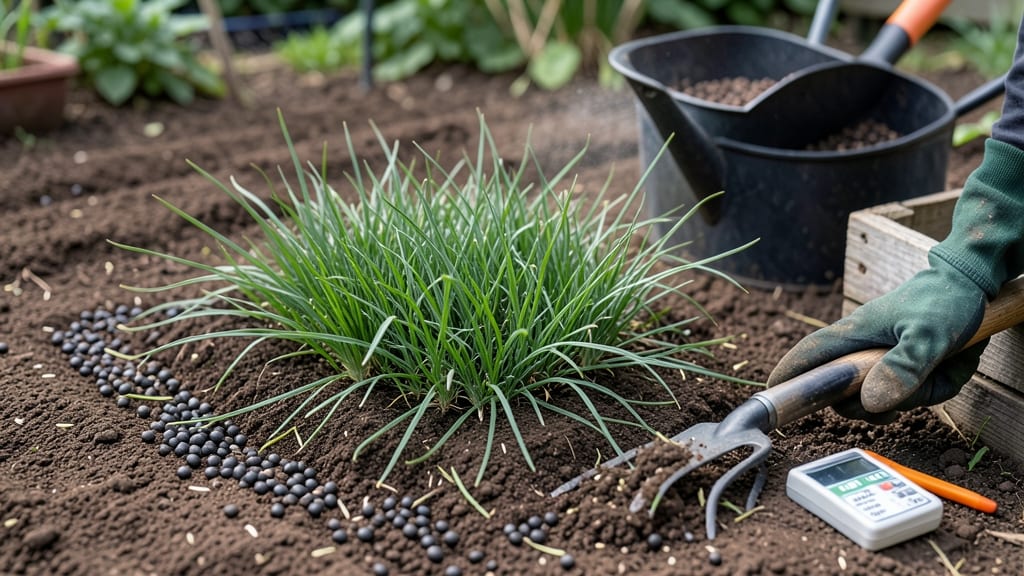
To seed and fertilize lawn at the right times means the difference between a thick, vibrant carpet of grass and a patchy, weed-infested mess.
You’ve probably spread seed or fertilizer only to watch it fail—maybe the grass grew in slowly, or weeds took over before you saw any green. Timing isn’t just about the calendar; it’s about soil temperature, rain patterns, and even your local frost dates.
Get it wrong, and you’re wasting money and effort.
In this guide, I’ll break down the best months for seeding and fertilizing in your climate zone, whether you’re in the cool north or the warm south. You’ll learn how to prep your soil, choose the right fertilizer, and avoid the mistakes that turn a fresh lawn into a disappointment.
By the end, you’ll have a clear seasonal schedule to follow—so you can finally grow that lush, weed-resistant lawn you’ve been dreaming of.
Optimal lawn seeding times by climate zone: cool vs. warm season grass
If you’ve ever seeded your lawn in the dead of summer or fertilized in winter, you know the frustration of watching your efforts fail. The truth is, grass types thrive in specific seasons, and planting at the wrong time means slower germination, weak roots, and more weeds.
Cool-season grasses like Kentucky bluegrass and fescue love the crisp air of fall, while warm-season varieties like Bermuda and Zoysia crave the heat of late spring. Ignoring these preferences can turn your $50 seed bag into a $50 lesson in patience.
Your climate zone determines the best window to seed. In the northern U.S. (Zones 3-6), fall is prime time—cool temps and warm soil create perfect conditions. Meanwhile, in the southern U.S. (Zones 7-10), late spring or early summer is ideal when soil temperatures hit 65-75°F.
Without this timing, you risk shallow roots, drought stress, or even seed washout from heavy rains. Let’s break it down so you can seed with confidence.
Soil temperature is the #1 factor most gardeners overlook. Cool-season grasses need soil between 50-65°F, while warm-season types thrive at 70-85°F. Use a soil thermometer (just $10 at garden centers) to check—planting when temps are off by even 10°F can delay germination by weeks. Pro tip: In fall, aim for 4-6 weeks before first frost to give seedlings time to establish before winter.
Moisture matters just as much as temperature. Newly seeded lawns need 1-1.5 inches of water weekly, but timing is key. Watering lightly daily encourages shallow roots, while deep, infrequent watering (early morning) promotes strong growth.
In drought-prone areas, consider hydroseeding or mulching with straw to retain moisture. Without consistent moisture, seeds dry out before sprouting—wasting your entire investment.
Let’s talk about regional adjustments because a one-size-fits-all approach fails fast. In Zone 5 or colder, seed in late August to mid-September to avoid early frosts. If you’re in Zone 8+, late spring (May) is better—summer seeding risks heat stress.
For transition zones (6-7), overlap both seasons: seed cool-season in fall and warm-season in late spring. This hybrid approach ensures year-round green coverage without gaps.
Don’t overlook pre-seeding prep. Test your soil’s pH (aim for 6.0–7.0 for most grasses) and amend with lime or sulfur if needed. Cool-season grasses like tall fescue tolerate slightly acidic soil, while warm-season types prefer 6.0–7.5 pH.
Skipping this step means poor germination, even with perfect timing. I’ve seen gardeners spend $200 on seed only to get 30% coverage because their soil was off by 1.5 pH points.
After seeding, fertilize lightly 4–6 weeks later with a high-phosphorus starter fertilizer (like 5-10-5). This boosts root growth without burning tender seedlings. In fall, apply a slow-release nitrogen fertilizer in late September to strengthen roots before winter.
For warm-season grasses, fertilize in early summer with a high-potassium blend (e.g., 10-10-20) to handle heat stress. Timing here prevents fertilizer burn and ensures nutrients are used efficiently.
One final pro tip: Use a lawn calendar to track your local frost dates and rainfall
Fertilization timeline for new lawns vs. established grass: what to apply when
New lawns and established grass need different fertilization strategies to thrive. For new seedings, the focus is on starter fertilizer with high phosphorus to encourage root development.
Meanwhile, mature lawns benefit from slow-release nitrogen and pre-emergent weed control at specific times. Skipping these steps can lead to weak growth, weed invasion, or even lawn failure.
Timing matters just as much as the fertilizer type. Cool-season grasses peak in early spring and fall, while warm-season grasses respond best in late spring and summer.
Your local climate zone will shift these windows slightly, but these general rules apply universally. Let’s break down what to apply—and when—to keep your lawn lush year-round.
For new lawns, the first fertilization happens right after seeding. Use a starter fertilizer with a 5-10-10 NPK ratio to promote root growth before the grass even sprouts.
Apply it lightly over the seeded area and water it in immediately. This step is critical—skipping it means weaker roots and slower establishment, leaving your lawn vulnerable to weeds.
Once your new lawn is 3-4 weeks old, switch to a low-nitrogen feed (like 10-0-10) to encourage top growth without overloading the young roots. Established lawns, however, need a balanced approach with slow-release nitrogen every 6-8 weeks during the growing season.
This prevents nutrient spikes that can burn grass or attract weeds.
In late spring, established lawns benefit from pre-emergent herbicides to block crabgrass and other weeds before they sprout. Timing is everything—apply it when soil temperatures hit 55-60°F (use a soil thermometer to check).
For new lawns, avoid pre-emergents entirely—they can harm young grass. Instead, focus on keeping the soil moist and free of weeds by hand-pulling any intruders.
Fall fertilization is often overlooked but crucial. A light feed in September (even for new lawns) strengthens roots for winter survival. Use a slow-release formula like 10-0-20 to provide nutrients over time without risking runoff. This is your lawn’s chance to recover from summer stress and prepare for dormancy.
Winter is the only season where no fertilization is needed—grass grows slowly or not at all in cold climates. Use this time to aerate compacted soil, remove thatch, and plan your spring seeding or top-dressing.
A well-rested lawn will bounce back stronger in spring, giving you that deep green carpet you’re after.
Pro tip: Always water fertilizers in deeply and evenly to avoid runoff. Early morning applications prevent evaporation and fungal risks. With this schedule, your lawn will stay thick, green, and weed-free all year—no guesswork required. 🌱