
Planting
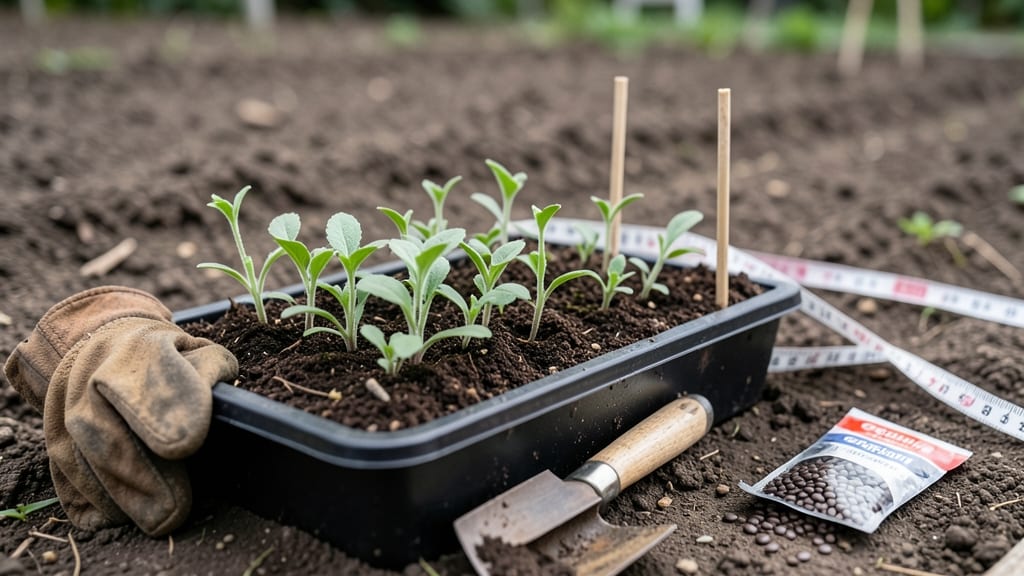
The secret to zinnias that explode with color all summer lies in zinnia seed spacing—six to twelve inches apart. I've learned that cramming seeds too close leads to leggy, weak stems and fewer blooms—my first garden was a sea of green with just a handful of flowers.
The right spacing gives each plant room to grow strong roots and sturdy stems that support those vibrant blooms you're dreaming of.
Start with well-draining soil and full sun—zinnias demand both to thrive. Plant seeds about ¼ inch deep in rows spaced 12-18 inches apart. If you're sowing directly in the garden, use a ruler or spacing tool to keep seeds exactly 6 inches apart.
For container growing, 4-6 inches between seeds works perfectly in 12-inch pots. The key is consistency: uniform spacing prevents overcrowding and makes thinning easier later.
Within three weeks, you'll see those first true leaves pushing through the soil, and by midsummer, your zinnias will be a riot of color.
Proper spacing means each plant gets enough sunlight and air circulation to resist powdery mildew, and you'll end up with stems tall enough for cutting without flopping over. The payoff is worth the extra care—bigger blooms, longer stems, and a garden that turns heads.
This method works in every climate zone, from hot Southern summers to cooler Northern gardens. Just adjust your planting time: sow seeds outdoors after the last frost in warm zones, or start indoors 6-8 weeks before your last frost date in cooler areas.
The same spacing rules apply whether you're filling a raised bed or a small patio container. Here's how to make it work for your garden!
📚 In This Guide
- What you need
- Instructions
- Tips and common mistakes
- Wrapping up and next steps
What you need
- ● Zinnia seeds: Choose heirloom or hybrid varieties (e.g., 'Benary’s Giant,' 'Profusion'). Aim for 1-2 packets (each packet typically contains 200-500 seeds).
- ● Garden soil or potting mix: Well-draining, fertile soil (or a mix of 60% topsoil + 40% compost). Test pH (ideal range: 6.0–7.0).
- ● Planting containers or garden bed: For direct sowing: A sunny garden spot (6+ hours of sunlight) with loose, weed-free soil.
- ● For container growing: Pots or raised beds at least 6 inches deep with drainage holes.
- ● Watering can or hose with a gentle spray nozzle: Avoid over-saturating seeds.
- ○ Row marker or string: For maintaining 6–12 inch spacing in garden beds (optional but helpful!).
- ● Plant labels: Small stakes or tags to mark varieties and planting dates.
- ● Seedling trays or biodegradable pots: For starting indoors 4–6 weeks before the last frost.
- ● Mulch (straw or shredded leaves): To retain moisture and suppress weeds.
- ● Fertilizer: Balanced, water-soluble fertilizer (e.g., 10-10-10) for transplanting or side-dressing.
- ● Plant cloche or row cover: For early seedlings to protect from pests or cold snaps.
- ● Gloves and knee pads: Because gardening is way more comfortable with these! 😉
Step-by-step guide to perfect zinnia seed spacing for maximum blooms
Here’s how I’ve grown zinnia patches that burst with color—no overcrowding, no wasted space.
Understand Zinnia Growth Habits and Variety Needs
Zinnias fall into two main spacing categories: dwarf varieties (like 'Thumbelina' or 'Crystal') need 6 inches apart, while tall varieties (like 'Benary’s Giant' or 'State Fair') thrive with 10-12 inches between plants. Check your seed packet—it’ll specify mature height. I always plant dwarf zinnias in front for visual impact, then taller ones behind to avoid shading the smaller blooms.
Dig a shallow trench just deep enough to hold seeds—about ¼ inch—and keep it straight. Use a stick or trowel to mark spacing intervals. Here’s the thing: if you plant too close, you’ll end up with leggy stems and fewer blooms. You’ll know you’ve nailed it when seedlings fill the space evenly without touching.
Sow Seeds Directly in the Garden
Zinnias hate transplanting, so I skip the indoor-starting hassle and sow seeds after your last frost date when soil reaches 60°F or warmer. Sprinkle 2-3 seeds per spacing hole—they germinate fast, and not all will sprout. Press them lightly into the soil so they make contact but don’t bury them too deep. Cover with ½ inch of fine soil or compost.
Water gently with a spray bottle or fine rose attachment—you don’t want to wash seeds away. Keep the soil consistently moist (not soggy) until germination, which happens in 5-10 days. You’ll see tiny green shoots first, then the first true leaves appear. This is your cue to start thinning.
Thin Seedlings to the Strongest Plant
Once seedlings have 2-3 sets of true leaves (about 3-4 weeks after sowing), it’s time to thin. Use clean scissors or your fingers to snip or pinch out the weakest seedlings, leaving only one per spacing hole. I always keep the most vigorous-looking plant—the one with the thickest stem and darkest leaves.
Don’t rush this step. If you thin too early, you’ll have to do it again. If you wait too long, the roots tangle, and you’ll damage the plants you’re keeping. You’ll know you’ve done it right when each plant has plenty of elbow room and the soil looks undisturbed around the base.
Maintain Spacing as Plants Mature
Zinnias grow fast, and their foliage can spread wider than their stems. If you notice leaves brushing against neighbors by midseason, it’s time to prune back lightly. Use clean pruners to trim any overlapping branches, but avoid cutting into the main stem. This keeps airflow circulating and prevents fungal diseases like powdery mildew.
Water at the base of plants in the morning to avoid wetting leaves. Overhead watering can spread disease, and crowded plants recover slower from stress. You’ll see the difference in a week—healthier stems, more blooms, and less competition for nutrients.
Deadhead for Continuous Blooms
Once zinnias start flowering, deadhead spent blooms every 2-3 days to encourage more blooms. Pinch off the faded flower head just above the next set of leaves. This redirects the plant’s energy from seed production back into growing new flowers. You’ll notice a surge in blooms within 5-7 days—it’s like hitting the reset button.
If you let zinnias go to seed, they’ll produce fewer flowers and may self-seed aggressively next year. I always save a few plants to go to seed for next season’s garden, but I deadhead the rest to keep the show going all summer.
Tips & tricks for perfect zinnia spacing
A few simple tricks will help you transform your zinnia patch from sparse to spectacular—without wasting a single seed.
Variety Matters: The 6-inch spacing for dwarf varieties and 10-12 inches for tall ones isn't just a suggestion—it's about light access. I learned this the hard way when my 'Benary's Giant' zinnias grew lanky and sparse because they were crowded too close. Plant taller varieties in the back row first, then fill in front with dwarfs. This creates that layered, lush look you see in garden centers.
Precision Planting: Use a simple DIY spacing guide to avoid guesswork. Cut notches in a wooden stick at your chosen spacing intervals (6" or 12"), then drag it along your trench as you plant. This keeps your rows perfectly straight and evenly spaced. I mark my sticks with paint for quick visual reference—no measuring tape needed once you've set up your guide.
Thinning Timing: Waiting until seedlings have 2-3 sets of true leaves (about 3-4 weeks) gives roots time to establish before thinning. I always check for this by counting leaves—if a seedling has fewer than 2 sets, wait a few more days. The goal is to remove weaklings while keeping strong plants undisturbed. Use clean scissors to avoid spreading disease between plants.
Midseason Maintenance: When foliage starts brushing against neighbors, it's time for a light prune. Simply trim any overlapping branches back to the main stem using clean pruners. This isn't about removing leaves—it's about creating airflow. I do this every 2-3 weeks during peak growing season, and my zinnias reward me with thicker stems and more abundant blooms.
Pro Tips for Zinnia Seed Spacing
- A few simple tricks will help you transform your zinnia patch from sparse to spectacular—without wasting a single seed.
- Variety Matters: The 6-inch spacing for dwarf varieties and 10-12 inches for tall ones isn't just a suggestion—it's about light access.
- Precision Planting: Use a simple DIY spacing guide to avoid guesswork.
Frequently asked questions
Got questions about zinnia seed spacing?
You’re not alone! Whether you’re a first-time gardener or a seasoned pro, proper spacing can make or break your blooms. Here are answers to the most common queries—so you can plant with confidence and enjoy those showstopping flowers all season.
How close can I plant zinnia seeds?
Zinnia seeds need 6–12 inches of space between plants for optimal airflow and growth. Crowding them too close (like 3–4 inches) may lead to leggy stems or disease. If you’re sowing in rows, aim for 12–18 inches apart for full, bushy plants. Thinning seedlings is easier than fighting overcrowded blooms later!
When should I thin my zinnias?
Thin seedlings to the correct spacing 2–3 weeks after germination (when they have 2–4 true leaves). Use scissors or your fingers to snip excess plants at soil level—don’t pull, as it can disturb roots. Pro tip: Save the thinned seedlings for transplants or snacks for wildlife (like butterflies!).
Can I plant zinnias too far apart?
Yes! While 12+ inches gives zinnias room to thrive, spacing them too far (like 18+ inches) can leave gaps in your garden. For cut flowers or borders, stick to 8–12 inches. If you’re using zinnias as fillers in containers, 6–8 inches works well. Just balance airflow with density!
What if my zinnias grow too close anyway?
If you miss the thinning window, don’t panic! Prune the outer leaves to improve airflow, or transplant the strongest seedlings to a new spot. Over time, zinnias may self-thin as weaker plants die off. For next season, mark your rows with stakes or string to avoid overcrowding.
Are there dwarf zinnia varieties that need less space?
Dwarf zinnias like ‘Thumbelina’ or ‘Crystal’ only need 4–6 inches of spacing, making them perfect for containers, borders, or mass plantings. Check the seed packet for variety-specific guidelines—compact types are great for small gardens or edging!
Wrapping up and next steps
Mastering zinnia seed spacing is your secret to vibrant, thriving blooms that steal the show! 🌸 By following the 6-12 inch rule, you’ll ensure each plant gets the room it needs to grow strong, resist disease, and produce those bold, cheerful flowers you love.
Whether you’re a seasoned gardener or just starting, proper spacing sets the stage for success—so grab those seeds and get planting!
Ready to take the next step? Experiment with your spacing—try denser clusters for cut flowers or wider gaps for bushier plants. Then, share your progress with fellow gardeners or snap some photos to track your zinnias’ growth. Happy gardening!