
Lawn
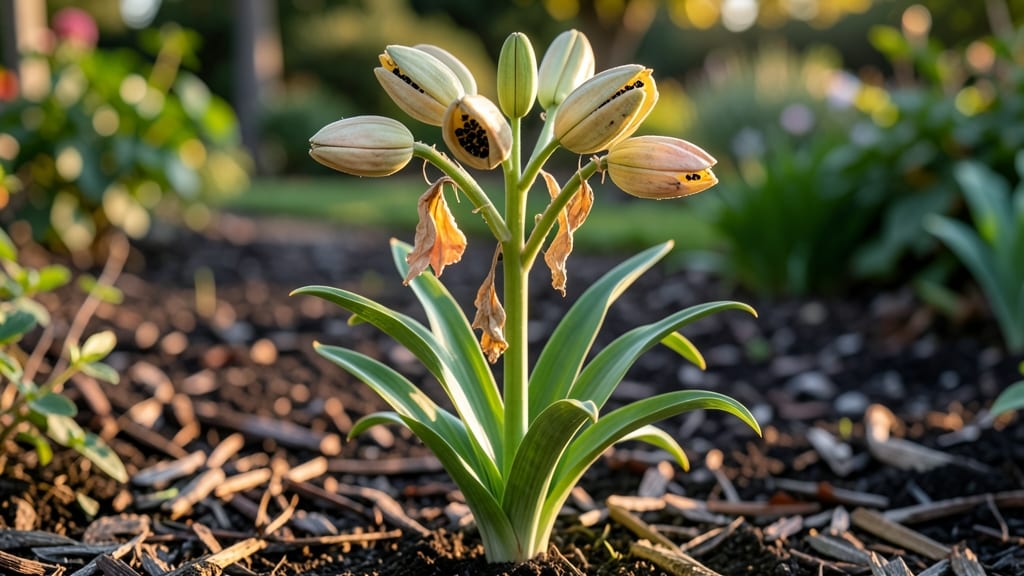
Twisting open Asiatic lily seed pods reveals the secret to growing new plants from scratch—no bulbs required. 🌱 I’ve collected hundreds of these pods over the years, and mastering the twist-open technique saved me from buying expensive nursery stock.
The key is timing: harvest when the pods turn brown and begin to split naturally, usually in late summer or early fall.
You’ll need just a few simple tools—a pair of gloves (those seeds stain!), small paper bags for drying, and patience. The process is straightforward but delicate: gently twist the pod open to avoid crushing the seeds inside.
Once exposed, let them dry in a cool, dark place for a few weeks before storing them in an envelope until planting season.
When spring arrives, you’ll have the satisfaction of watching tiny shoots emerge from seeds you collected yourself. These seedlings take longer to bloom than bulbs, but the reward is worth it—unique color variations and plants that thrive in your specific climate.
For faster results, consider dividing mature bulbs alongside your seed-starting efforts.
This method works best in mild climates where winters aren’t harsh enough to kill emerging seedlings. If you’re in a colder zone, start seeds indoors under grow lights for a head start. Either way, you’ll end up with Asiatic lilies that feel like a true gardener’s achievement.
📚 In This Guide
- What you need
- Instructions
- Tips and common mistakes
- Wrapping up and next steps
What you need
- ● Mature Asiatic lily seed pods: 5–10 fully ripened pods (brown, dry, and slightly papery to the touch). Tip: Harvest when pods naturally split open or twist easily!
- ● Pruning shears or sharp scissors: 1 pair (sterilized with rubbing alcohol) to snip stems cleanly.
- ● Paper towels or seed paper: 2–3 sheets (for drying and handling seeds gently).
- ● Small bowl or container: 1 (for collecting seeds).
- ● Rubbing alcohol (70% isopropyl) and cotton swabs: 1 bottle and 2–3 swabs (to sterilize tools and prevent mold).
- ● Plastic bag with breathable holes or paper envelope: 1 (for seed storage).
- ● Permanent marker: 1 (to label seeds with harvest date and variety).
- ● Magnifying glass: 1 (to inspect seed viability under natural light).
- ● Seed tray with growing medium: 1 (for immediate germination testing).
- ● Humidity dome or plastic wrap: 1 (to create a mini greenhouse for sprouting).
- ● Notebook or app: 1 (to track seed sources, dates, and germination progress).
Step-by-step guide to extracting viable seeds from Asiatic lily pods
Here's how I collect and store seeds from mature Asiatic lily pods—no special tools needed.
🌱 Step 1: Harvest Mature Seed Pods
Wait until the pods turn brown and dry—this usually happens in late fall after the flowers fade. Gently twist the pod from the stem when it releases easily; if it resists, it's not ready. Place pods in a paper bag (not plastic) to prevent mold while they finish drying indoors for 3-5 days.
I know they're ready when a light tap makes the seeds rattle inside. If the pod feels soft or leaks powder, it's still too moist. Patience here prevents seed rot later.
💧 Step 2: Prepare the Pods for Opening
Lay each pod on a clean towel and use a sharp knife (or your thumbnail) to make a small slit at the top. Don't cut all the way around—just enough to start peeling. Soak the pods in lukewarm water for 10-15 minutes to soften the fibers.
This step is crucial: dry pods crack unpredictably, but softened ones twist open cleanly. I always work with 4-6 pods at a time to keep the process manageable. Wear gloves if your hands get sticky from the pod sap.
✂️ Step 3: Twist and Extract the Seeds
Grasp the slit end of the pod and twist firmly in one motion—it should unravel like a screw. Empty the seeds onto your towel. Discard any blackened or shriveled seeds immediately; they won't germinate. Healthy seeds are plump, brown, and firm to the touch.
I count seeds as I go: Asiatic lilies typically yield 50-100 seeds per pod. Store them in a paper envelope labeled with the variety and harvest date. Keep the envelope in a cool, dry place (like a seed drawer) until planting.
🌿 Step 4: Test Seed Viability (Optional)
For best results, test a few seeds before storing the rest. Place 5 seeds between damp paper towels in a ziplock bag, seal it, and keep them at room temperature for 10-14 days. Check daily for sprouts—if 3+ seeds sprout, the rest are viable.
If fewer than half sprout, store the seeds in the fridge for 1-2 months to break dormancy, then retest. I've had mixed success with this method, but it's worth trying if you're impatient to grow!
⏰ Step 5: Plant or Store Seeds
Sow viable seeds indoors in early spring (8-10 weeks before last frost) in well-draining mix at a depth of ¼ inch. Keep soil moist but not soggy and provide bright light (grow lights work best). Germination takes 2-4 weeks at 65-75°F.
If storing, seal the envelope with a desiccant packet to absorb moisture. Label with the date—Asiatic lily seeds stay viable for 1-2 years if kept dry. I always plant a few immediately for fresh starts!
Tips & tricks for perfect Asiatic lily seed extraction
Here's what nobody tells you about getting the most out of your seed pods.
Timing is Everything: Those 3-5 days of indoor drying after harvest are non-negotiable. I've learned the hard way that rushing this step leads to moldy pods and wasted seeds. Place them in a well-ventilated spot with indirect sunlight—direct light can overheat them. If your kitchen gets humid, add a small fan to keep airflow moving.
The Soak Secret: When you soak the pods for 10-15 minutes in lukewarm water, make sure the water covers about half the pod length. Too little water won't soften the fibers properly, while too much can cause the pods to swell unevenly. I use a shallow dish and gently press each pod down to ensure even saturation. The goal is pliable, not soggy.
Handling the Sap: Asiatic lily pod sap can be surprisingly sticky and may stain your hands. Keep a roll of paper towels nearby and wear gloves if you're sensitive to plant resins. The sap also makes the pods slippery—place your towel on a non-slip mat or cutting board to prevent accidents when twisting. This is especially helpful when working with 4-6 pods at a time as recommended.
Seed Quality Check: After extraction, sort seeds immediately—healthy ones should feel dense and slightly springy when pressed gently. Discard any that feel hollow or have dark spots. For extra insurance, place a few seeds in a small container with a damp paper towel and observe for 24 hours. If they develop a slight white fuzz, they're viable and ready for storage.
Pro Tips for Asiatic Lily Seed Pods
- Here's what nobody tells you about getting the most out of your seed pods.
- Timing is Everything: Those 3-5 days of indoor drying after harvest are non-negotiable.
- The Soak Secret: When you soak the pods for 10-15 minutes in lukewarm water, make sure the water covers about half the pod length.
Frequently asked questions
Got questions about harvesting and handling Asiatic lily seed pods? You’re not alone! Here are some of the most common queries—and their straightforward answers—to help you get the most out of your seed pods.
When are Asiatic lily seed pods ready for harvest?
Seed pods typically mature in late summer to early fall (August–October), when they turn light brown and begin to dry out. If you hear a crinkling sound when you gently shake them, they’re ready! Harvest too early, and seeds won’t be viable; wait too long, and they may shatter.
How do I tell if a seed pod contains viable seeds?
Twist-open the pod carefully—if it releases plump, dark seeds (about the size of a pea), they’re likely viable. Shriveled or hollow seeds won’t sprout. For extra assurance, float-test seeds in water: Viable seeds sink (like a pro gardener’s secret trick!).
Can I grow Asiatic lilies from seed pods, or should I buy bulbs?
Yes, you can grow them from seeds, but it’s a slow process (2–3 years before blooms appear). For quicker results, start with bulbs. Seed-grown lilies may also revert to wild-type colors (less vibrant). Save seeds for experimental gardeners or hybridizing projects!
What should I do if my seed pods won’t twist open?
If pods are stubborn, let them dry further in a paper bag for 1–2 weeks. Avoid moisture—humidity can cause mold. As a last resort, gently nick the seam with pruning shears (sterilized first!). Never force them, or you risk damaging seeds inside.
How do I store harvested Asiatic lily seeds for planting?
Clean seeds and store them in a cool, dry place (like a sealed envelope in the fridge) for up to 6 months. Label them with the harvest date! For long-term storage (1+ years), mix seeds with dry sand in a sealed container to prevent rot. Plant as soon as possible for best germination rates.
Wrapping up and next steps
Mastering the twist-open technique for Asiatic lily seed pods unlocks a world of natural propagation—no green thumb required! 🌱 Whether you’re reviving a garden or sharing seeds with fellow plant lovers, this simple method ensures viable seeds with minimal fuss.
Now that you’re equipped with the know-how, why not try it this season and watch your lilies flourish?
Next steps:
- 📅 Mark your calendar for seed collection after pods dry (usually late summer/fall).
- 🌿 Experiment! Share seeds with friends or start a small lily patch in your yard.
- 💬 Join plant communities to swap tips and celebrate your newfound skills.