
Size
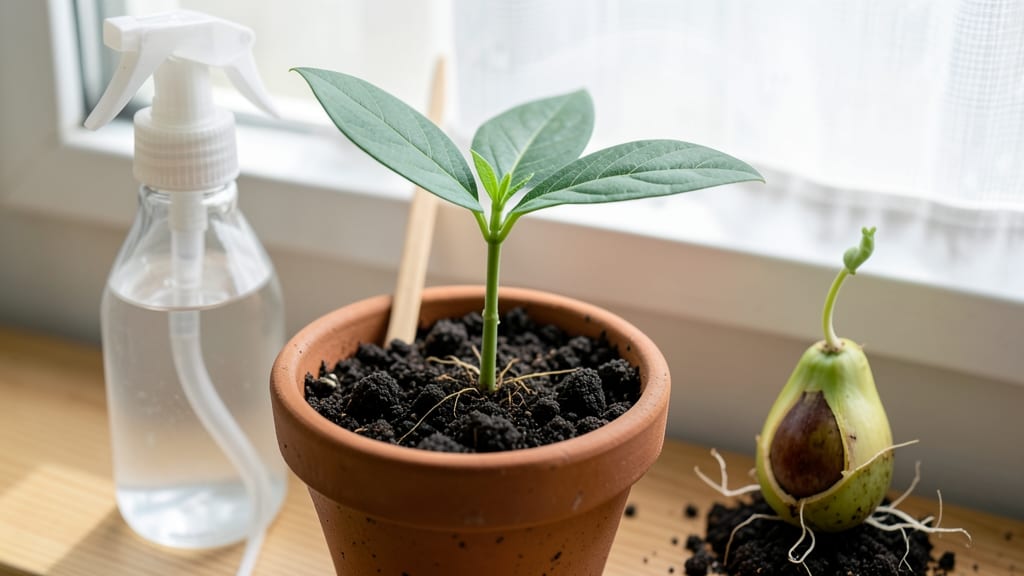
Growing an avocado plant from a garden avocado seed is easier than you think—no fancy tools or green thumb required. 🌱 The key starts with a simple viability test that reveals if your seed will sprout within seconds, saving you weeks of waiting on a dud.
I’ve turned kitchen scraps into thriving houseplants this way, and you can too. All you need is a seed, a glass, toothpicks, and patience. The twist-free test works by checking for a tiny sprout at the base—if it’s there, your seed’s ready to grow.
Most seeds sprout within 2-4 weeks, though some take longer. The real magic happens when roots appear in water, signaling it’s time to plant. By the time you transplant, you’ll have a 3-6 inch seedling with sturdy roots.
Keep it in bright, indirect light, and watch it grow into a lush, leafy plant that thrives indoors for years. The slow growth is part of the charm—it’s a long-term project worth the wait. Perfect for beginners or anyone who loves watching nature unfold.
Here’s how to skip the guesswork and get started right.
📚 In This Guide
- What you need
- Instructions
- Tips and common mistakes
- Wrapping up and next steps
What you need
- ● Avocado seed: A fresh, firm seed with a viable pit (no cracks, mold, or soft spots). Pro tip: 💡 The larger the seed, the better the odds!
- ● Toothpicks (4-6): Wooden or plastic, ~3–4 inches long (for balancing the seed).
- ● Small glass or jar: A clear container with a narrow neck (e.g., a 16–20 oz mason jar).
- ● Water: Room-temperature, filtered if possible (chlorine can inhibit growth).
- ○ Potting soil: Well-draining, seed-starting mix (or a 50/50 blend of potting soil + perlite). Optional: Add a handful of compost for nutrients!
- ● Small pot (4–6 inches): With drainage holes (plastic or terracotta).
- ● Spray bottle: For gentle watering once roots sprout.
- ● Humidity dome or plastic wrap: To retain moisture during germination.
- ● Grow lights or sunny windowsill: Bright, indirect light (6+ hours/day) speeds up growth.
- ● Fertilizer (diluted): Balanced liquid fertilizer (e.g., 10-10-10) after 2–3 months.
- ● Twist test tool: A DIY viability tester (more on this in the next section!)
How to test and grow an avocado seed in minutes
Here's the simple method I use to check if your seed will sprout—no guessing, just science.
🌱 Step 1: Extract the Seed and Remove the Pit
Cut the avocado in half lengthwise and twist gently to separate the two halves. You'll feel the seed pop free once the flesh splits. Rinse the seed under cool water to remove any remaining fruit—this prevents mold later. The goal is a clean, dry seed with no leftover pulp.
Use a sharp knife to carefully slice through the seed's outer shell, following the natural seam where the two halves meet. I like to start at the bottom and work my way up, stopping just before the top. This preserves the seed's natural shape and makes the next step easier. Don't worry if it takes a few tries—the seed's tough but not unbreakable.
💧 Step 2: Perform the Quick Viability Test
Fill a glass with water until it reaches about 1 inch from the top. Place the avocado seed in the water, making sure the pointed end (the stem) is facing upward. This orientation is critical—it mimics how the seed would grow naturally in the soil. The seed will float if it's not viable, but if it sinks, that's a good sign.
Here's the twist-free trick: Let the seed soak for 2-3 days, changing the water daily. Watch for the brown stem to sprout a tiny white root. If nothing happens after 5 days, the seed's likely not viable. But if you see even a ¼-inch root, you're ready for the next step. I've found that seeds from Hass avocados sprout most reliably—stick with this variety for best results.
☀️ Step 3: Prepare the Growing Container
Fill a small container—like a 6-inch diameter pot—with well-draining potting mix. I like to add a handful of perlite to the mix to prevent waterlogging, which can rot the roots. Moisten the soil until it's damp but not soggy—you should be able to squeeze a handful and see a few drops of water, not a stream.
Make a small hole in the center of the soil, about 1 inch deep. Gently place the avocado seed in the hole, root-side down, and cover it with soil. Don't bury it too deep—just enough to hold it in place. The seed needs light to germinate, so keep the soil surface exposed. Water lightly until the soil feels evenly moist throughout.
🌿 Step 4: Provide Warmth and Indirect Light
Place the container in a warm spot, ideally between 70-80°F. A sunny windowsill works well, but avoid direct sunlight at first—it can dry out the soil too quickly. If your home runs cooler, consider using a seedling heat mat to keep the soil warm. You should see the first signs of growth—tiny leaves or a taller stem—within 2-4 weeks.
Once the seedling reaches about 6 inches tall, it's time to move it to a brighter spot. Avocado trees love light but can scorch in direct sun. Rotate the pot every few days so the plant grows straight, not leaning toward the light. Keep the soil consistently moist but not waterlogged—let the top inch dry out between waterings.
⏰ Step 5: Transplant and Care for Long-Term Growth
When the seedling has 4-5 true leaves and is about 1 foot tall, it's ready for its first transplant. Choose a slightly larger pot—8-10 inches in diameter—and fill it with fresh potting mix. Dig a hole deep enough to bury about ⅓ of the stem, which encourages root growth. Water thoroughly after transplanting to help the soil settle around the roots.
Avocado trees are tropical and need consistent warmth. If temperatures drop below 50°F, move the plant indoors near a sunny window. Prune any yellow or damaged leaves to keep the plant healthy. With patience, your avocado seedling can grow into a small tree—though it may take years to produce fruit. The journey is worth it, though, especially when you see those first leaves unfurl.
Tips & tricks for growing avocado seeds with confidence
Here's what I learned after watching dozens of seeds sprout (and fail)—these tricks make all the difference.
Seed Selection Matters: Not all avocado seeds are created equal. Choose seeds from Hass avocados—they're the most reliable for sprouting. The seed should feel firm and heavy for its size, with no soft spots or cracks. I've found that seeds from organic avocados tend to sprout better too, possibly because they're less treated with preservatives.
Water Change Frequency: During the 2-3 day soaking period in Step 2, change the water daily to prevent bacterial growth. Stagnant water can cause mold, which will kill your seed before it even gets a chance to sprout. I use a small glass and mark the water level with a permanent marker so I remember to change it consistently. This small step saved me from losing multiple seeds to mold.
Light Exposure After Sprouting: Once you see that first tiny white root in Step 2, move the glass to a bright spot but avoid direct sunlight. The seedling needs indirect light to grow strong. I place mine near an east-facing window where it gets morning sun but not harsh afternoon rays. Too much direct light can cause the seedling to become leggy and weak.
Transplanting Timing: When transplanting in Step 5, wait until you see 4-5 true leaves—not just the initial seed leaves. These true leaves indicate the plant has established a good root system. I've transplanted too early before, and those seedlings always struggled. Give your plant time to grow strong roots before disturbing it again.
Pro Tips for Avocado Seed Grow A Garden
- Here's what I learned after watching dozens of seeds sprout (and fail)—these tricks make all the difference.
- Seed Selection Matters: Not all avocado seeds are created equal.
- Water Change Frequency: During the 2-3 day soaking period in Step 2, change the water daily to prevent bacterial growth.
Frequently asked questions
Got questions about growing an avocado tree from seed? You’re not alone! Here are some of the most common queries—and their simple, practical answers—to help you get started with confidence.
How long does it take for an avocado seed to sprout?
With the right conditions (warmth, moisture, and patience!), your avocado seed should sprout within 2–6 weeks. Keep the toothpicks or sticks in water, and the seed moist but not soggy. If nothing happens after 6 weeks, gently check for signs of rot or mold—sometimes seeds just need a little extra time!
Can I plant the seed directly in soil instead of water?
Yes, but it’s trickier! Some gardeners skip the water phase and bury the seed halfway in well-draining soil, keeping it lightly moist. However, the water method gives you more control over root development. If you try soil directly, use a heating mat (70–80°F) to speed up germination.
Why is my avocado seed rotting in water?
Overwatering or dirty water are the usual culprits! Use filtered or distilled water (chlorine can harm the seed) and change it every 2–3 days. If the seed smells funky or feels mushy, remove it, trim any soft spots, and let it dry for a day before restarting. A fresh toothpick and clean jar can work wonders!
How big should my avocado tree get before transplanting to soil?
Wait until your seedling has 2–3 healthy leaves and a sturdy stem (about 6–12 inches tall). Transplant gradually: start with a small pot (6–8 inches) and use well-draining potting mix. Avoid direct sunlight for the first week to reduce shock. Bonus: Harden it off by moving it outside for short periods over 2 weeks!
Will my homegrown avocado tree ever produce fruit?
It’s possible—but don’t expect avocados for 5–13 years! Most seed-grown trees are not self-pollinating, so you’ll need another tree nearby for fruit. For faster results, graft a fruiting variety onto your seedling. Even if it never bears fruit, the tree makes a stunning, low-maintenance houseplant!
Wrapping up and next steps
Growing an avocado tree from a seed is a rewarding journey that blends creativity with patience—and yes, it’s totally doable! 🌱 Whether you’re testing viability with the twist-free method or nurturing your seedling, every step is a chance to connect with nature.
Once your seed sprouts and thrives, consider expanding your green thumb by planting it in soil or sharing the magic with friends.
Ready to take the next step? Start small:
- Keep your seedling happy with sunlight and care.
- Explore other seed-growing experiments!