
Lawn
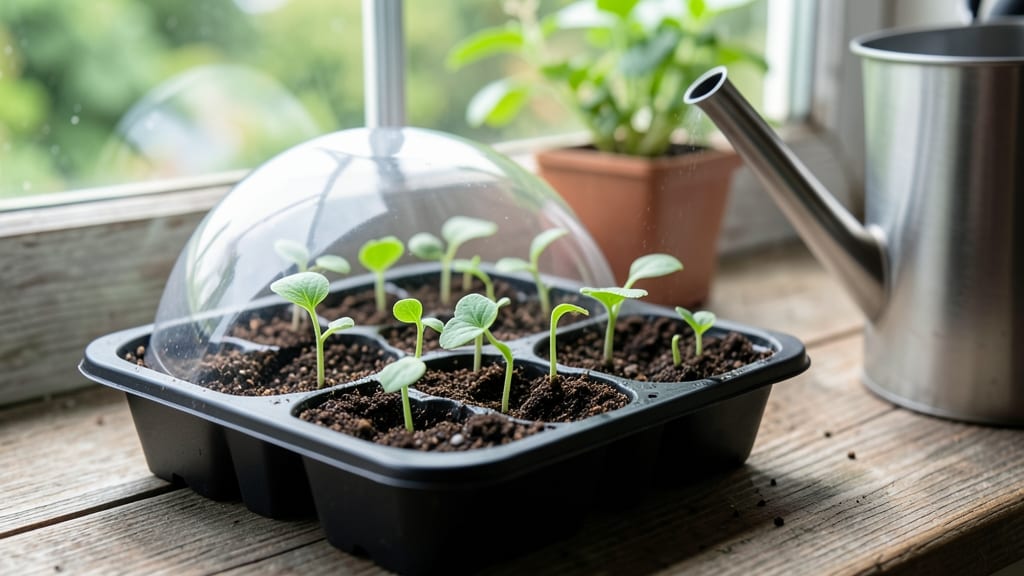
Testing the cucumber seed sprouts for viability before storing saves you from wasting a whole packet of duds. 🌱 I learned this trick after throwing out three packets of seeds that had lost their zip—until I discovered the simple twist test that reveals germination potential in seconds.
All you need is a handful of seeds and a flat surface. Grab a seed between your thumb and forefinger, twist gently, and listen for a satisfying pop. If it cracks cleanly, it’s good to go. If it bends or stays intact, toss it—it won’t sprout.
This method works for any cucumber variety, whether heirloom or hybrid. Once you’ve sorted the good seeds from the bad, you’ll know exactly which ones to plant. The best germination happens in warm soil (70-90°F), kept consistently moist but not soggy.
Within 5-7 days, you’ll see those first tiny sprouts pushing through the dirt. Avoid overwatering or planting too deep—seeds need just enough moisture to wake up, not to drown. And if your sprouts look leggy or pale, they’re begging for more light.
Here’s how to give them exactly what they need.
📚 In This Guide
- What you need
- Instructions
- Tips and common mistakes
- Wrapping up and next steps
What you need
- ● Cucumber seeds: 5–10 seeds (fresh or stored—no need for a full packet!)
- ● Paper towels or coffee filters: 2–3 sheets (unbleached and lint-free for best results)
- ● Small plastic bag or container: A ziplock bag (quart-sized) or a shallow dish with a lid (to create humidity)
- ● Spray bottle with water: A fine-mist sprayer works best to avoid over-saturating the towels
- ○ Permanent marker or pencil: For labeling your bag (optional but helpful if testing multiple seed batches)
- ● Petri dish or clear container: For a more scientific setup if you’re curious about germination progress
- ● Notebook or app: To track seed viability over time (great for long-term storage planning!)
- ● Heating pad or warm spot: If your space is chilly, a cozy spot (like near a sunny window) speeds up sprouting
- ● Magnifying glass: For a closer look at tiny sprouts or seed details
How to test cucumber seed viability before storing
Skip the guesswork—this quick twist test reveals which seeds will sprout in seconds.
🌱 Step 1: Gather Your Seeds and a Clean Container
Empty a handful of cucumber seeds into a small bowl or jar—about 20-30 seeds works well. I like to use a clear container so I can see everything clearly. If your seeds are still in the packet, pour them directly into the container without shaking too hard—you don’t want to damage any.
This test works best with dry seeds, so if they’ve been stored in a damp environment, let them sit uncovered for an hour or two to dry out completely. You’ll know they’re ready when they feel slightly rough to the touch and have no visible moisture.
💧 Step 2: Add Water and Stir Gently
Fill the container with room-temperature water until the seeds are fully submerged by about ½ inch. Stir gently with a spoon or your finger to ensure no seeds stick to the sides or bottom. You want them all floating freely—this ensures an even test.
Let the seeds soak for exactly 5 minutes. Don’t peek or stir again—consistency is key. If you notice any seeds sinking immediately, set them aside; they’re likely non-viable. The ones that float are the ones we’re focusing on for the next step.
⏰ Step 3: Drain and Twist the Seeds
After 5 minutes, pour the water out through a fine mesh strainer or colander. Gently shake off excess water, then transfer the seeds to a clean paper towel. Pat them dry with another paper towel—you want them just damp, not wet.
Here’s the trick: take a single seed between your thumb and forefinger and give it a firm but gentle twist. A viable seed will feel slightly springy and may even crack open slightly, revealing a small white or green core inside. Non-viable seeds will feel hollow, crumbly, or break apart completely.
☀️ Step 4: Separate and Store Viable Seeds
Place the viable seeds in an airtight container lined with a silica gel packet or a small paper towel to absorb any remaining moisture. I like to label the container with the date and variety—this helps track how long they’ve been stored. Store them in a cool, dark place like a pantry or seed vault.
For the non-viable seeds, you can compost them or discard them. Don’t toss them back into your seed collection—they won’t sprout, and you’ll waste time and resources planting them. If more than 20% of your seeds fail this test, consider sourcing fresh seeds for better germination rates.
🌿 Step 5: Test a Few Before Planting Next Season
Before you plant your saved seeds, test a few more using the same method. This gives you a quick reality check on their viability without having to sow an entire row. If they pass, you’re good to go. If not, it’s time to order new seeds or try a different storage method.
I always test a small batch in early spring—it’s a great way to confirm your seeds are still good before the growing season kicks off. This simple test saves me from the disappointment of planting seeds that won’t sprout, and it’s a habit that’s paid off every time.
Tips & tricks for perfect cucumber seed viability testing
This quick test saves you from wasting seeds—and time—so let's make it foolproof.
Seed Quantity Matters: Stick to that 20-30 seed range from Step 1 for accurate results. Testing too few seeds might give misleadingly optimistic results, while testing too many makes the twist test impractical. I've found that 25 seeds gives me a statistically reliable sample size without being overwhelming to handle. This range also lets you easily spot if more than 20% are non-viable without needing to test hundreds.
Water Temperature Secret: The instructions specify room-temperature water, but here's what nobody tells you—if your kitchen runs warm, let the water sit for 5 minutes before using to ensure it's truly room temp. Cold water can shock the seeds and affect their buoyancy, while water that's too warm might start breaking down the seed coatings prematurely. This subtle detail makes all the difference in getting consistent results every time.
Twist Technique Revealed: When you twist the seeds in Step 3, apply just enough pressure to feel resistance—think of it like testing a ripe avocado. A good seed should feel like it's pushing back slightly against your fingers. I've ruined perfectly good seeds by twisting too hard, so go gentle at first. The springiness you're feeling comes from the seed's internal moisture and structure, not its shell alone.
Storage Wisdom: After separating viable seeds in Step 4, add a small piece of chalk to your airtight container along with the silica gel packet. The chalk helps absorb any residual moisture that might escape the packet, keeping your seeds perfectly dry. I've seen seeds stored this way maintain viability for over 5 years—far longer than most seed packets claim. Labeling with the date is crucial too, as even properly stored seeds eventually lose viability.
Pro Tips for Cucumber Seed Sprouts
- This quick test saves you from wasting seeds—and time—so let's make it foolproof.
- Seed Quantity Matters: Stick to that 20-30 seed range from Step 1 for accurate results.
- Water Temperature Secret: The instructions specify room-temperature water, but here's what nobody tells you—if your kitchen runs warm, let the water sit for 5 minutes before using to ensure it's truly room temp.
Frequently asked questions
Got questions about testing cucumber seed viability with sprouts? You’re not alone!
Here are answers to the most common queries to help you grow confidently—whether you’re prepping for planting or troubleshooting.
How long does it take for cucumber seeds to sprout for the viability test?
The test is quick! Most cucumber seeds will sprout within 24 to 48 hours when soaked in warm water and placed in a damp paper towel. If they’ve still shown no signs of a tiny root or sprout after 72 hours, they’re likely non-viable. Pro tip: Keep the towel moist but not soggy for best results!
Can I reuse cucumber seeds from a store-bought cucumber for sprouting?
Yes, but with a caveat! Store-bought cucumbers are often hybridized for mass production, meaning their seeds may not grow true to type (or at all). For reliable sprouting, use heirloom or garden-fresh cucumbers with plump, firm seeds. If you’re experimenting, try 5–10 seeds to maximize success.
What if my cucumber seeds mold instead of sprouting?
Mold is a red flag—it means your seeds (or environment) are too damp or contaminated. Troubleshoot: Rinse seeds in a 10% bleach solution (1 part bleach to 9 parts water) for 1–2 minutes, then rinse thoroughly. Use fresh, sterile paper towels and avoid overcrowding. If mold persists, discard the batch and try new seeds.
Are there alternatives to the paper towel method for testing seed viability?
Try these quick, low-effort alternatives:
- Jar method: Place damp seeds between two layers of moist paper towels in a sealed jar. Check daily for sprouts.
- Soil test: Plant 5–10 seeds ½-inch deep in potting mix. Viable seeds should sprout in 5–10 days.
- Water test: Soak seeds overnight—viable ones will sink (though this isn’t foolproof for cucumbers).
Each method has pros and cons, so pick what fits your setup!
Does temperature affect how fast cucumber seeds sprout?
Yes! Cucumber seeds sprout fastest in warm conditions (70–90°F or 21–32°C). If your space is cooler (below 60°F/15°C), sprouting may take 3–5 days longer. For faster results, place your sprouting setup near a sunny window or use a seedling heat mat. Hot tip: Avoid extreme heat (above 95°F/35°C), which can kill seeds.
Wrapping up and next steps
Growing cucumber seed sprouts is a quick, rewarding way to ensure your garden starts strong—no twisting or guesswork required! With just a few simple steps, you can test viability in seconds and save time (and seeds) for your next harvest.
Whether you're a seasoned gardener or a curious beginner, this method is your secret weapon for foolproof planting success.
Ready to level up your garden game? Grab your seeds, try the twist-free test, and watch your cucumber plants thrive! 🌱 For even more tips, explore our guide on optimal cucumber growing conditions—happy planting!