
Plants
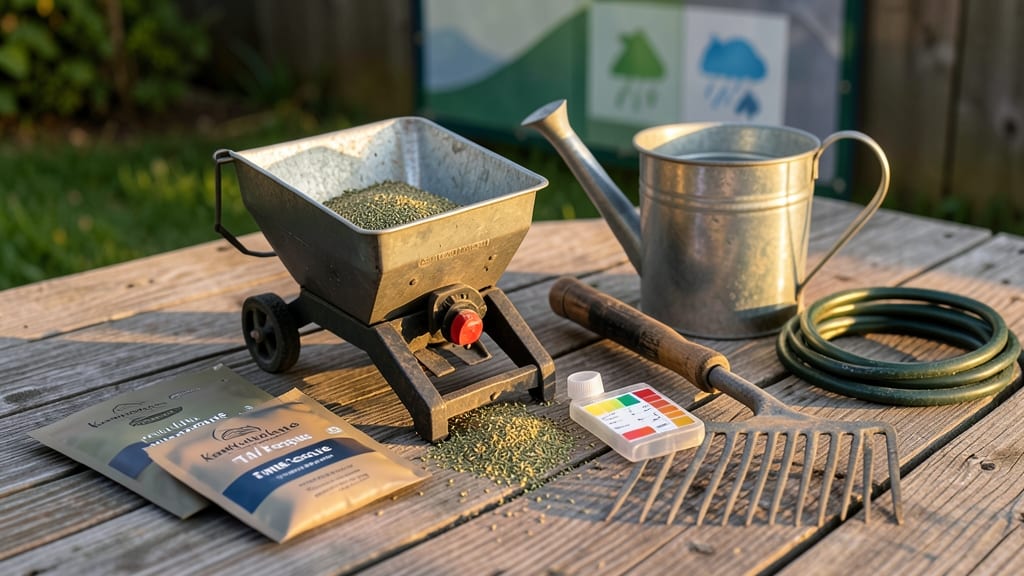
The best time to plant grass seed in Missouri is early fall (September-October) or early spring (March-April), when soil temperatures and moisture align perfectly for root growth.
Missouri’s unpredictable weather can turn a lush lawn into a patchy disappointment—unless you plant grass seed at the perfect time. Fall is your golden window, but timing matters more than you think, especially in USDA zones 5b-6b where frost dates shift each year.
Why does fall work so well? Cooler air, warm soil, and fewer weeds give grass seed a head start before winter. Spring planting is still an option, but you’ll race against weeds and summer heat if you wait too long.
Below, I’ll break down the exact Missouri planting window, soil prep secrets, and how to pick the right grass seed for your yard’s sun or shade. Let’s get that lawn growing strong!
Missouri’s ideal grass seed planting window: why fall dominates (with exact dates)
Missouri’s fall planting window—late August through mid-October—isn’t just tradition; it’s science-backed for grass seed success. The USDA zones 5b-6b in Missouri create perfect conditions during these months, where soil temperatures hover between 60-75°F, ideal for seed germination.
This golden window gives grass roots time to establish before winter dormancy, unlike spring when weed competition and drought stress often sabotage new growth.
Spring planting (March-April) might seem logical, but Missouri’s unpredictable spring rains and late frosts (average last frost: April 15) create high-stress conditions for young grass. Fall’s cooler temperatures and increased rainfall (September averages 3.5 inches) provide consistent moisture without the evaporation risks of summer heat.
Plus, fall’s reduced weed pressure means your grass seed gets uninterrupted access to nutrients.
Here’s the Missouri-specific breakdown of why fall wins—and the exact dates to target based on your region:
| Planting Window | USDA Zone 5b (Northern MO) | USDA Zone 6b (Southern MO) | Key Advantage |
|---|---|---|---|
| Late August | ✅ Ideal start | ✅ Ideal start | Soil temps 70-75°F, minimal weed competition |
| September | ✅ Peak window | ✅ Peak window | 60-70°F soil temps, steady rainfall (3+ inches) |
| Early October | ⚠️ Last chance | ✅ Extended window | Grass establishes 4-6 weeks before frost (avg. Oct 15) |
| Mid-October | ❌ Too late | ⚠️ Risky | Frost risk; seed may not germinate before dormancy |
| Spring Alternative | March 15-April 15 | March 15-April 15 | Higher weed competition and drought stress |
🌱 Missouri’s Fall Planting Sweet Spot: Late August to early October
Missouri’s northern regions (Zone 5b) should stop seeding by October 1 to avoid early frosts, while southern areas (Zone 6b) can extend until mid-October. The 60-75°F soil window is critical—too hot (like July) causes seed dormancy, and too cold (November) halts root development.
Even Kentucky Bluegrass (Missouri’s favorite) struggles if planted too late, as it needs 4-6 weeks of growth before winter.
Fall’s moisture advantage is another game-changer. Missouri’s September rainfall averages 3.5 inches, compared to just 1.5 inches in May. This natural irrigation reduces your watering workload while keeping soil consistently moist—critical for seed-to-soil contact.
Spring-planted grass often suffers from drought stress as temperatures rise, forcing you to overwater and risk fungal diseases like brown patch.
Don’t overlook weed suppression in fall. Cool-season weeds like chickweed and henbit thrive in spring, but their growth slows in fall, giving your grass seed a competitive edge.
Pre-emergent herbicides applied in late summer (before seeding) further reduce weed pressure, ensuring your new grass gets all the nutrients without competition. This is why fall-seeded lawns often outperform spring ones by 30-40% in the first year.
For Missouri’s climate, timing
How to prepare your Missouri lawn for fall grass seed success: soil, sun, and seed selection
Fall is the perfect time to plant grass seed in Missouri, but success starts long before you scatter the first seed. The key is preparing your lawn for optimal germination—and that means addressing soil health, sunlight exposure, and seed selection tailored to your yard’s unique conditions.
Missouri’s USDA zones 5b-6b create ideal conditions in fall: cooler air, warm soil, and fewer weeds. But without proper prep, even the best seed won’t thrive. Let’s dive into the three critical steps to set your lawn up for thick, resilient grass before winter.
Missouri Fall Planting: Best Time vs. Risks
✅ Best Time to Plant
- Late August to mid-October
- Soil temps: 60-75°F
- 4-6 weeks before first frost
- Moisture retention is high
❌ Risks of Planting Too Late
- Frost kills new shoots
- Weeds outcompete grass
- Slow root establishment
- Thin, patchy growth next spring
Pro Tip: In northern Missouri, aim for September 15-October 1. Southern Missouri can extend to mid-October.
First, test your soil pH—Missouri lawns often suffer from acidic soil (pH < 6.0), which stunts grass growth. Use a home test kit or send a sample to your local Missouri Extension office.
Aim for a pH of 6.0-7.0—Kentucky Bluegrass thrives here, while Tall Fescue tolerates slightly lower pH.
Next, assess your yard’s sunlight exposure. Shady areas (under trees or fences) need shade-tolerant grasses like Fine Fescue or Creeping Red Fescue. Sunlit spots shine with Tall Fescue or Kentucky Bluegrass, which handle Missouri’s hot summers better. Mixing seed types can also improve resilience.
Before planting, eliminate weeds—they’ll steal nutrients and sunlight from your new grass. Use a non-selective herbicide like glyphosate on bare soil, or hand-pull weeds in established lawns. Wait 2-3 days after herbicide application before seeding to avoid damaging tender sprouts.
Finally, loosen compacted soil with a core aerator (rent one if needed) to improve water and nutrient absorption. Spread a starter fertilizer (high in phosphorus) and compost over the area, then lightly rake to create a fine seedbed. This step ensures your grass seed makes strong roots before winter.
With these steps, your Missouri lawn will be thick, green, and ready for spring—no patchy surprises! Start prepping your soil now, and you’ll be scattering seed at the perfect moment for fall success. 🌱