
Lawn
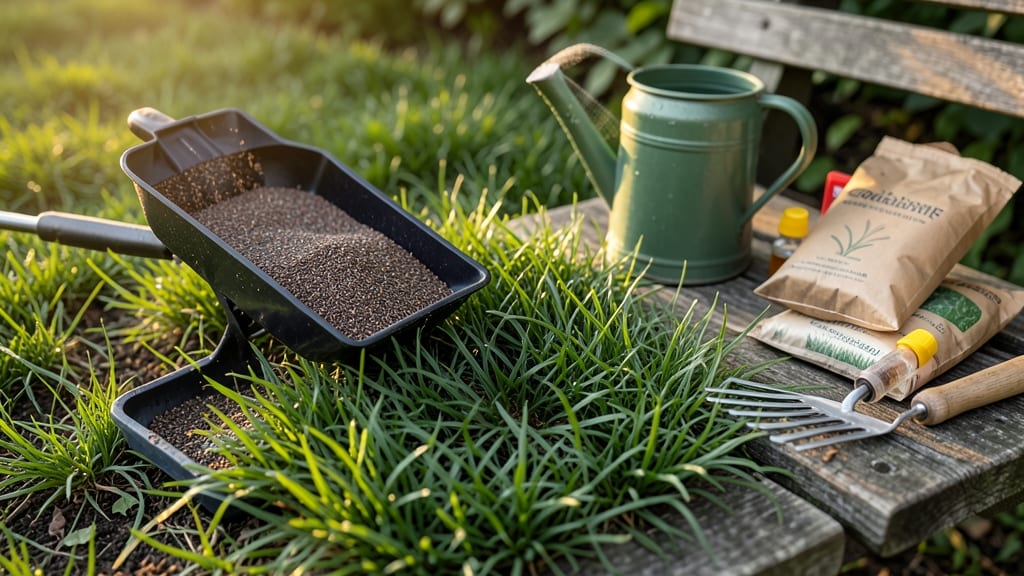
The best time to seed a lawn in fall is the secret to thick, green grass by next spring—but you’ve got to act before frost locks the soil.
Picture this: you’ve prepped the soil, spread the seed, and watered it in—only to watch winter freeze your progress before the roots even take hold. That’s why knowing your zone’s exact deadline is the difference between a lush lawn and a patchy disappointment.
In Zone 6a, like many northern regions, the window runs from late August to mid-October, but the real magic happens in the 4-6 weeks before frost.
Fall seeding works because cooler temps mean fewer weeds, less stress on the grass, and a head start on root growth before winter. But timing is everything—seed too early, and weeds take over; too late, and frost buries your seeds.
I’ll break down the zone-specific deadlines, soil temperature rules, and the 5 critical steps to prep your lawn so your seeds sprout strong and survive the freeze. Ready to skip the spring scramble and grow a lawn that’s already winning by next summer?
Here’s how to lock in the perfect fall seeding window for your region—and avoid the mistakes that waste time and money.
Fall lawn seeding deadlines by US planting zones (when to act)
Fall is your golden opportunity to grow a thicker, greener lawn than spring seeding ever could—but only if you plant at the right time. The key is a 4-6 week frost-free window before winter dormancy.
Seed too early, and weeds steal the show. Seed too late, and frost kills your tender sprouts before they establish roots.
Your local first frost date is your deadline's starting point. Work backward 4-6 weeks to find your ideal seeding window. For example, if frost hits November 15, aim to finish seeding by October 1 in most zones.
But this varies wildly from Zone 3 to Zone 10, where microclimates and elevation shift deadlines dramatically.
Here’s how to calculate your exact deadline: Check your soil temperature at a 4-inch depth. Once it dips to 50°F consistently, it’s time to stop seeding.
This rule beats guesswork by aligning with grass seed’s optimal germination range of 60-75°F. Use a soil thermometer or your local Cooperative Extension Service data for precision.
A common myth is that late September is perfect everywhere. In reality, northern zones like Zone 3-5 need to start by mid-August, while southern zones like Zone 8-10 can seed until November.
Your zone’s average frost date and cool-season grass type (e.g., fescue vs. ryegrass) further refine your window.
Let’s break down your zone-specific deadlines with a foolproof table. Use this as your cheat sheet to avoid the “too late” panic that ruins so many fall lawns. Pro tip: Bookmark your zone’s row and set a calendar reminder 2 weeks before your deadline to prep your lawn.
Notice how Zone 3-4 has a shorter window than Zone 9-10? That’s because northern climates experience earlier frost and cooler soils. If you’re in Zone 5 or 6, aim for late August seeding—any later, and your seeds may not establish roots before winter.
Meanwhile, southern zones can stretch seeding into November, thanks to milder winters.
Your local microclimate matters too. A south-facing slope warms faster than a north-facing yard, potentially extending your window by 1-2 weeks. Urban areas with heat islands may stay frost-free longer.
To account for this, check your neighborhood’s average frost date (not the county average) via Almanac.com or your local weather station.
Pro gardeners swear by the “50°F soil rule”—but what if you’re unsure when your soil hits that mark? Grab a soil thermometer ($10 at garden centers) and test it at 4 inches deep every few days.
Once it’s consistently below 50°F for 3 days, stop seeding. This simple step saves hundreds of dollars in wasted seed and rework.
Timing isn’t just about deadlines—it’s about weather patterns. Avoid seeding after a hard rain (soil compacts) or before a heatwave (seeds dry
5 Critical steps to prepare your lawn for fall seeding (before frost hits)
Fall seeding gives grass a 4-6 week head start before winter dormancy, but your lawn needs the right conditions to succeed. The difference between a thick lawn and a failed patch? Proper prep.
I’ve seen too many gardeners rush the process—skipping soil tests, aerating too shallow, or ignoring weeds—only to watch their seeds wash away or rot. Let’s fix that with a step-by-step checklist to ensure your seeds make contact with moist, weed-free soil and get the nutrients they need to survive frost.
Start by testing your soil pH and nutrients. Most lawn grasses thrive in a pH of 6.0-7.0, but compacted soil often lacks nitrogen and organic matter. Grab a soil test kit (or send a sample to your local extension office) to check levels.
If your soil is too acidic, add lime; if it’s alkaline, use sulfur. Amend with compost or peat moss to improve texture and water retention. This step alone can double your seed germination rate.
Next, aerate your lawn 1-2 weeks before seeding. Use a core aerator to pull out 3/8-inch diameter plugs of soil, creating channels for seeds to reach the root zone. Skip this, and your seeds will land on a hardpan layer, smothering their growth.
Rent a machine or hire a pro if your lawn is large—don’t settle for spike aerators, which only poke holes without removing soil cores. Timing matters: aerate when the soil is slightly moist but not muddy.
- 1 Test soil pH (aim for 6.0-7.0) and amend with compost or lime 2 weeks before seeding.
- 2 Aerate deeply (3/8" cores) to break compacted soil and improve seed-to-soil contact.
- 3 Kill weeds with corn gluten meal (pre-emergent) or vinegar spray (post-emergent) 1 week before seeding.
- 4 Spread seed lightly (½ lb per 100 sqft) and cover with ¼" of compost to protect from birds and drought.
- 5 Water daily (¼ inch) for 14 days, then taper to 2x weekly until frost hits.
Weed control is the #1 reason fall seeding fails. Apply corn gluten meal (a natural pre-emergent) 1 week before seeding to block weed seeds from sprouting. For existing weeds, spot-treat with vinegar or a non-selective herbicide 2 days before aerating.
Avoid post-emergent herbicides after seeding—they’ll kill your new grass too. Pro tip: Rent a dethatching rake if your lawn has a thick layer of thatch (over ½ inch) to prevent smothering seeds.
When you’re ready to seed, use a broadcast spreader for even coverage (½ lb of seed per 100 sqft). Lightly rake the area to ensure seed-to-soil contact, then cover seeds with a ¼-inch layer of compost.
This protects them from birds, wind, and drying out while allowing sunlight to reach the soil. Water immediately after seeding with a fine mist nozzle to avoid washing seeds away. Keep the soil consistently moist (not soggy) for the first 14 days—this is when roots establish or fail.
Finally, adjust your watering schedule to match the season. For the first 2 weeks, water lightly daily (¼ inch) to keep the top inch of soil moist. After germination (usually 7-14 days), switch to deep watering 2x weekly to encourage deep root growth.
Stop fertilizing until spring—your grass needs to focus on roots, not leaves, before winter. With these steps, your lawn will outpace weeds and survive frost like a pro.