
Lawn
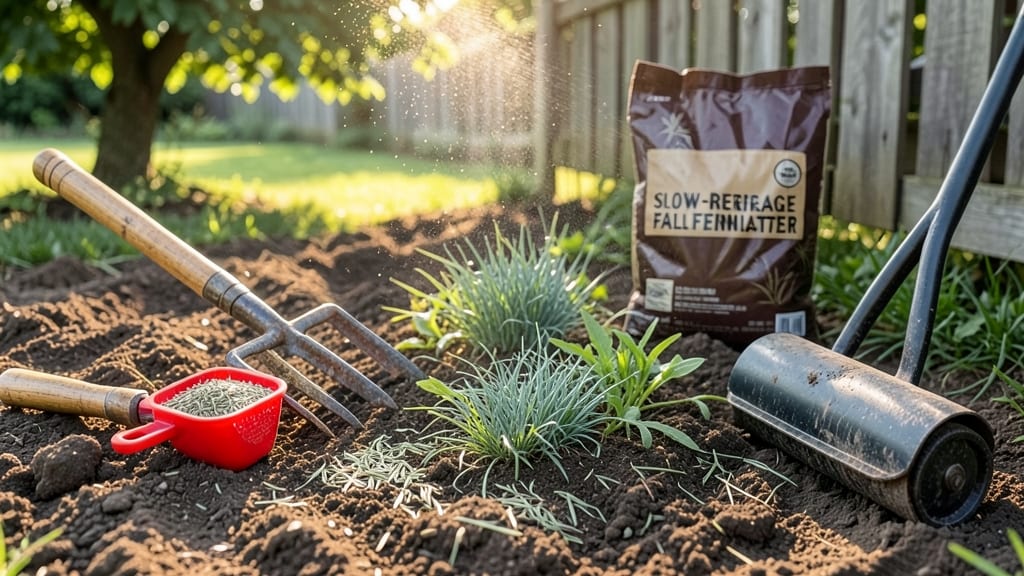
Planting lawn seed in the fall is your best shot at a thick, green lawn by spring—timing it 4-6 weeks before frost lets roots establish before winter sets in.
Fall is the secret season for a lush, green lawn—planting at the right time can mean the difference between patchy grass and a thick, weed-resistant carpet by spring. But miss the window, and you’re stuck with weak seedlings struggling through cold snaps or wasted seed money.
Cooler temperatures and fewer weeds make fall the perfect time for 🌱 lawn grass to take hold. Whether you’re in Zone 6a or further south, knowing your exact planting deadline ensures your seed germinates strong before the ground freezes.
Here’s how to pinpoint your ideal window, prep your soil like a pro, and keep your new grass thriving through winter—no guesswork, just results.
Fall lawn seed planting deadlines by US Hardiness Zone: when to act before frost
Fall is the secret season for a lush, green lawn—planting at the right time can mean the difference between patchy grass and a thick, weed-resistant carpet by spring. The key is understanding your USDA Hardiness Zone and local frost dates, as these determine your planting window.
In cooler northern zones, you may have just 4 weeks before frost, while southern regions enjoy a more flexible 6-8 week window.
Timing isn't just about dates—it's also about soil temperature. Ideal conditions range between 50-65°F, which allows seeds to germinate without stressing young plants. If you plant too early, weeds will outcompete your grass.
Too late, and frost will kill seedlings before they establish roots. Let's break down the exact zone-specific deadlines to help you plant at peak success.
Pro Tip: Use the USDA Plant Hardiness Zone Map to confirm your zone, then adjust your planting date based on your local average first frost date. Most garden centers provide this data for your region.
If you're in Zones 3-4, your window is tight—aim for mid-August to early September to give seeds time to establish before winter. These northern regions experience early frosts, so prioritize cold-hardy grass varieties like Kentucky Bluegrass or Fine Fescue.
In contrast, Zones 9-10 can plant as late as December, thanks to milder winters and longer growing seasons.
Regional variations matter too. For example, coastal areas (like California or Oregon) may have later frost dates than inland zones at the same latitude. Check local weather patterns—some years, frost arrives 2 weeks early, so stay flexible.
If your soil stays warm longer than average, you might push your planting date 1-2 weeks later without risk.
Don’t forget to account for microclimates in your yard. South-facing slopes warm up faster, while shaded areas stay cooler. If your lawn has uneven sun exposure, test soil temperature in multiple spots before planting. A soil thermometer (around $15) is a game-changer for precision timing.
Once you’ve nailed your planting window, focus on seed selection. Cool-season grasses (like Tall Fescue) thrive in fall, while warm-season grasses (like Zoysia) should be planted in spring. Mixing seed types can extend your planting window—some varieties germinate faster in cooler soil than others.
After planting, protect your new lawn from early frosts with a light layer of straw or a frost blanket. Water deeply in the morning to encourage root growth, but avoid overwatering—soggy soil invites disease.
With the right timing and care, your fall-planted lawn will outperform spring plantings by 30-50% in density and weed resistance.
Ready to act? Grab your zone-specific seed mix, mark your calendar, and start prepping your soil now. The earlier you begin, the thicker your lawn will be by next spring. 🌱
5 Critical factors that determine your perfect fall planting window
Timing your lawn seed planting isn't just about calendar dates—it's about understanding your local environment. While 4-6 weeks before frost is the general rule, real success comes from matching your actions to soil temperatures, microclimates, and grass types.
These five factors will help you adjust your planting schedule for maximum germination and winter survival.
First, focus on soil temperature thresholds. Your lawn seed needs soil between 50-65°F to germinate properly. Cooler soils slow growth, while warmer soils can cause seed to dry out before sprouting. Use a soil thermometer to check—this is the #1 way to avoid wasted seed or weak seedlings.
- 1 Soil Temperature: Aim for 50-65°F—use a thermometer to verify before planting
- 2 Microclimates: Coastal areas stay warmer longer; high-altitude zones freeze earlier—adjust 2-4 weeks accordingly
- 3 Grass Type: Cool-season grasses (Fescue, Ryegrass) thrive in fall; warm-season (Bermuda, Zoysia) need late spring/early summer
- 4 Local Frost Dates: Check USDA Zone maps but verify with your last frost date—urban areas often freeze 1-2 weeks later than rural zones
- 5 Seed Maturity: Most lawn seeds need 3-4 weeks to establish roots—plant early enough to avoid ground freezing before then
Your local microclimate plays a huge role—coastal regions like San Francisco (Zone 9) can plant until November 1st, while high-altitude areas like Denver (Zone 5) may need to finish by mid-September.
Even within your neighborhood, south-facing slopes warm up faster than shaded yards, so test soil temps in multiple spots.
Don't overlook your grass type. Cool-season grasses like Tall Fescue and Kentucky Bluegrass love fall planting, but warm-season varieties like Bermuda or Zoysia should wait until late spring. Mixing types? Plant the cool-season grass first—it establishes faster in fall temperatures.
For high-altitude areas, adjust your timeline 2-4 weeks earlier than standard zone recommendations. Mountain regions like Aspen (Zone 4) may need to plant by late August, while coastal cities like Miami (Zone 11) can extend planting into December.
Always check your local cooperative extension service for precise data.
Finally, account for seed maturity timing. Most lawn seeds take 3-4 weeks to develop strong roots—plant too late, and winter will freeze them before they're established. Use this rule: plant when daytime highs average 70°F but nights dip to 50°F or lower, signaling ideal germination conditions.
By mastering these five factors, you'll transform guesswork into a foolproof fall planting schedule tailored to your yard's unique conditions. The result? A lawn that greens up thick and lush by spring, not patchy and struggling.