
Planting
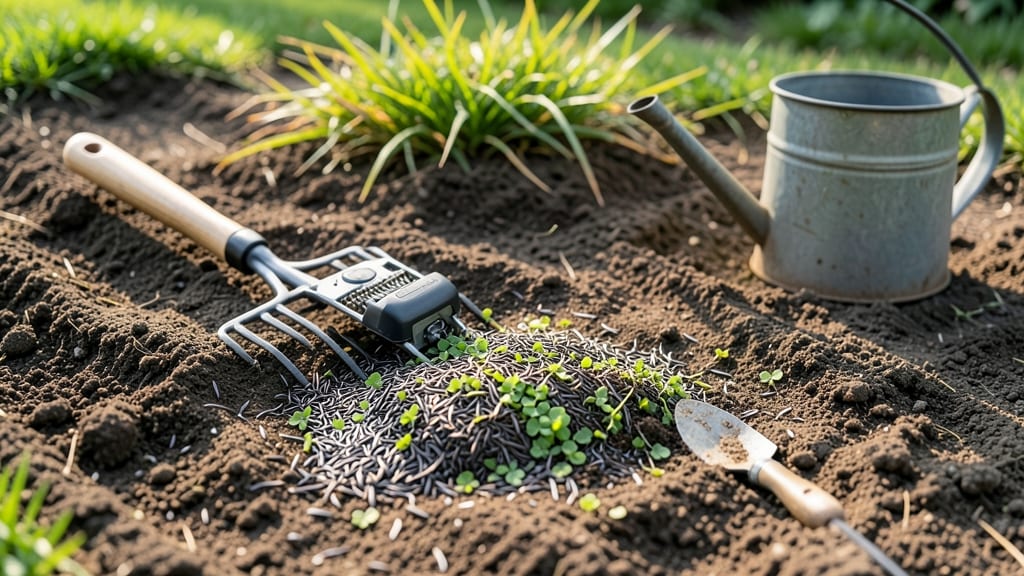
The best time to reseed in fall is 4–6 weeks before your first frost—a window that gives seedlings time to establish roots before winter chill sets in.
Picture this: You’ve spent all summer battling weeds, and now you’re ready to give your lawn or garden a fresh start. But if you plant too early, frost zaps your progress; too late, and roots won’t anchor before dormancy.
The key? Knowing your USDA zone and soil temps, because a 50–65°F range is non-negotiable for success.
Why does this matter? Fall reseeding works because cooler temps reduce weeds, and consistent moisture helps seeds germinate without the stress of summer heat.
Skip the guesswork—this guide breaks down the exact months for your zone, plus soil prep tips to avoid common pitfalls like overwatering or seeding too close to frost.
You’ll walk away with a step-by-step timeline, a checklist for your local conditions, and the confidence to plant at the perfect moment—so next spring, you’re harvesting lush greens instead of patchy soil.
Fall reseeding timeline by USDA zone: exact months for optimal root growth
Fall reseeding gives your lawn or garden a head start on spring growth by allowing seeds to establish strong roots before winter dormancy. The key is planting when soil temperatures drop to 50–65°F (10–18°C)—cooler than summer but warm enough for germination.
This window varies dramatically by USDA zone, with northern climates needing earlier starts and southern regions benefiting from later planting.
Why does timing matter so much? Seeds need 4–6 weeks of warm soil and moderate air temperatures to develop a 4-inch root system before the ground freezes. Plant too early, and summer heat stresses seedlings; too late, and frost kills tender new growth.
Let’s break down the exact months for each zone to maximize your success.
If you’re in Zones 3–4, aim for mid-August to early September—this gives seeds time to germinate before the first frost, typically hitting in late September or October.
For example, in Minnesota or Maine, soil temperatures drop quickly, so don’t wait past Labor Day for cool-season grasses like tall fescue.
In Zones 5–6, you have more flexibility with a window from late August to mid-October. This includes regions like Chicago or Denver, where soil temperatures stay ideal until early fall.
Plant ryegrass or bluegrass mixes in September for a lush spring lawn. Avoid seeding after October 15, as frost can damage tender seedlings.
Southern gardeners in Zones 7–10 can push the envelope further. In Georgia or California, September to early November works perfectly for both lawns and vegetable gardens. For instance, winter ryegrass thrives when planted in October, while leafy greens like spinach can handle light frosts after establishment.
Regional variations matter! The Pacific Northwest, with its cool, damp climate, often benefits from an earlier start in late August. Meanwhile, desert Southwest zones (like Zone 9–10) can extend planting into November, thanks to milder winters.
Always check your local frost dates—tools like the USDA Plant Hardiness Zone Map or Almanac’s Frost Calculator are invaluable.
Pro tip: Use a soil thermometer to confirm temperatures. Seeds need consistent warmth (not just daytime heat) to sprout. If your soil is below 50°F (10°C)
5 Critical factors that determine your perfect reseeding window
Timing your fall reseeding isn’t just about picking a month—it’s about aligning five key variables to give your seeds the best shot at survival. First, soil temperature must hit 50–65°F for optimal germination. Too cold, and seeds rot; too warm, and they dry out before sprouting.
This range is your sweet spot, regardless of your USDA zone, because it triggers the biological processes seeds need to break dormancy.
Next, check your local frost dates. Planting too close to the first frost—say, within 3–4 weeks—means seedlings won’t have time to develop roots before winter dormancy. Use the 4–6 week rule: count backward from your average first frost date to lock in your planting window.
For example, if frost hits November 15, aim for late September to early October.
Don’t overlook seed type. Cool-season crops like ryegrass, fescue, and clover thrive in fall’s mild temps, while warm-season seeds (e.g., bahia grass) need summer heat. Mixing the wrong seeds with your timing guarantees failure. Always match your seed packet’s recommended planting window to your local climate.
- 🌡️ Soil Temp Check: Use a soil thermometer to confirm 50–65°F at 2" depth. If cooler, wait.
- ❄️ Frost Buffer: Plant 4–6 weeks before your first frost date. Use Almanac frost calculators for local data.
- 🌱 Seed Match: Verify seeds are cool-season (e.g., ryegrass, clover) for fall. Avoid warm-season types.
- 🌧️ Rainfall Plan: Schedule reseeding during a 5–7 day dry spell to avoid muddy soil. Aim for 1 inch of rain weekly post-planting.
- 🏙️ Microclimate Adjust: Urban areas? Add 2–3 weeks to your window due to heat islands. Test a small patch first.
Rainfall patterns often make or break reseeding. Plant during a 5–7 day dry spell to prevent muddy soil, which smothers seeds. After planting, aim for 1 inch of rain weekly—either from nature or your hose—to keep soil moist but not waterlogged.
A drip irrigation system is ideal for consistent moisture without overwatering.
Finally, account for microclimates, especially in urban areas. Pavement and buildings create heat islands, delaying frost and extending your planting window by 2–3 weeks. Test a small patch in a shaded spot first to see how your local conditions vary.
Even a 10-foot difference in elevation can shift frost dates by a week or more.
By nailing these five factors—soil temp, frost dates, seed type, rainfall, and microclimates—you’ll reseed at the perfect moment, ensuring your lawn or garden greens up thick and strong before winter. Skip one, and you’re gambling with your seeds’ survival. Don’t gamble—plan ahead! 🌱