
Lawn
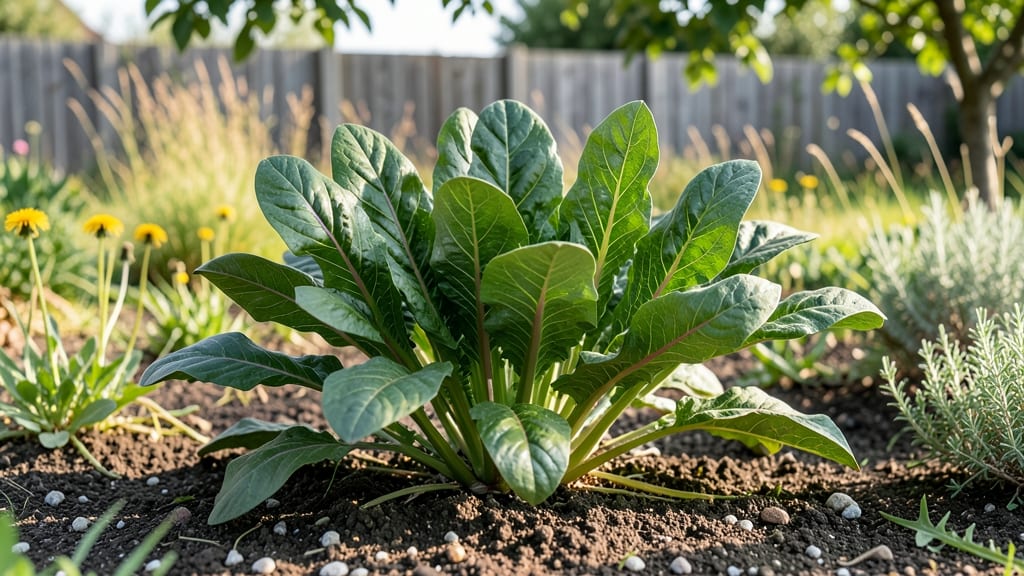
Growing Black Seed Simpson lettuce is like unlocking a secret to zero-waste harvesting—no more wilted outer leaves going to waste. 🌱 This heirloom variety stays crisp and productive long after most lettuces bolt, giving you fresh greens for weeks without the usual bitterness or limpness.
The real magic? Its twist-free stems make harvesting effortless, even when leaves reach full size.
Start with loose, well-draining soil rich in organic matter—think compost mixed into the top 6 inches—and plant seeds ¼ inch deep, 12 inches apart in rows. Black Seed Simpson thrives in cool weather (40-75°F), making it perfect for early spring or fall plantings.
If your summers are scorching, provide afternoon shade to keep leaves tender and avoid bolting.
Water consistently to keep soil evenly moist (not soggy), and harvest outer leaves as needed—this encourages continuous growth. The first harvest comes in 4-6 weeks, and with proper care, you’ll enjoy 10+ weeks of fresh greens.
The secret to zero-waste? Cut leaves just above a leaf pair, and the plant keeps producing without missing a beat.
Watch for slugs and aphids—these pests love tender lettuce—but a light row cover or neem oil spray keeps them at bay. If leaves start to yellow or bolt, it’s usually a sign of too much heat or drought.
This variety forgives mistakes better than most, though, so don’t stress over perfect conditions.
📚 In This Guide
- What you need
- Instructions
- Tips and common mistakes
- Wrapping up and next steps
What you need
- ● Black Seed Simpson Lettuce Seeds: 20-30 seeds (organic, untreated for best results).
- ● Seed Starting Mix: 100% organic, sterile potting soil (500 mL container).
- ● Biodegradable Seedling Pots or Peat Pellets: 12-24 units (3-4 inches deep).
- ● Watering Can or Spray Bottle: With a fine mist nozzle.
- ● Grow Lights or Sunny Windowsill: 12-16 hours of light daily (LED grow lights work great!).
- ○ Humidity Dome or Plastic Wrap: To retain moisture (optional but helpful for germination).
- ● Twist-Free Twine or Jute Twist Ties: 1-2 rolls (for supporting mature plants if needed).
- ● Compost Bin or Worm Farm: For zero-waste repurposing of spent plants.
- ● Small Hand Trowel: For gentle soil handling.
- ● Measuring Cup or Spoon: For precise seed placement (¼ inch deep).
- ○ Thermometer (Optional): To monitor soil temp (ideal: 60-75°F for germination).
- ● Notebook & Pen: To track growth stages and viability.
- ○ Gloves (Optional): For hygiene while handling soil.
- ● 🌡️ Soil Prep: Moisten your seed starting mix before planting—seeds need hydration to sprout!
- ● ✨ Labeling: Use toothpicks or tags to mark pots for easy tracking.
- ● 🔄 Zero-Waste Hack: Skip plastic pots! Use egg cartons or compostable peat pots.
How to test Black Seed Simpson lettuce for zero-waste harvesting
This simple twist test tells you exactly when to harvest for maximum flavor and minimal waste.
🌱 Step 1: Select a Mature Outer Leaf
Choose a fully developed outer leaf from the middle of the plant—avoid the youngest or oldest leaves. The leaf should be deep green with a sturdy stem and no visible damage. Black Seed Simpson thrives when leaves reach 3-4 inches long, which is when they develop their signature crisp texture and rich flavor.
Gently grasp the stem between your thumb and forefinger, about ½ inch from the base. You’ll feel the leaf’s natural tension—this is the tension that indicates readiness for harvesting. Don’t pull from the very base, as this can damage the growing point and stress the plant.
🌿 Step 2: Perform the Twist Test
With a firm but gentle grip, twist the leaf clockwise while pulling upward at a 45-degree angle. You’re testing the leaf’s attachment point—if it resists slightly but then separates cleanly with a soft pop, it’s ready to harvest. This indicates the leaf has fully matured and stored enough nutrients to be cut without compromising the plant’s health.
If the leaf resists and doesn’t separate easily, it’s not ready yet. Wait 2-3 days and test again. Over-twisting or forcing a leaf can weaken the plant’s structure, so patience here pays off in a longer harvest window.
✂️ Step 3: Harvest and Monitor Regrowth
Once the leaf separates cleanly, use clean, sharp scissors to trim the stem at a ¼-inch angle just above the next leaf node. This angled cut prevents water from pooling on the stem, which could lead to rot. Discard the outer leaf immediately if it shows signs of browning or wilting—this is your plant’s way of recycling nutrients back into new growth.
Watch the plant’s response over the next 48 hours. Healthy Black Seed Simpson will show new growth within 3-5 days, proving the harvest didn’t stress the plant. If growth stalls or yellowing appears, you may have cut too aggressively. Next time, wait until the twist test confirms readiness before harvesting.
💧 Step 4: Maintain Optimal Conditions for Continuous Harvesting
After harvesting, water the plant deeply if the top 1 inch of soil feels dry. Black Seed Simpson prefers consistent moisture but hates soggy roots—aim for soil that stays evenly damp, like a wrung-out sponge. Mulch with ½ inch of organic matter (like straw or shredded leaves) to retain moisture and discourage weeds.
Keep the plant in partial shade (3-4 hours of morning sun) to prevent bolting, especially in warm climates. If your lettuce starts to taste bitter or develop hollow stems, it’s getting too much light. Adjust placement or use shade cloth to maintain that sweet, crisp flavor.
⏰ Step 5: Repeat the Test Weekly for Zero-Waste Yields
Perform the twist test on one outer leaf per week from each of your 4 plants. This staggered approach ensures you’re always harvesting at peak readiness while allowing the plant to replenish its energy. Over time, you’ll notice a rhythm—Black Seed Simpson often produces 2-3 harvestable leaves per week under ideal conditions.
As the season progresses, you’ll develop an instinct for the test. The key is consistency: always check the same leaf position (middle outer leaves) and twist at the same angle. This method not only minimizes waste but also extends your harvest window by 3-4 weeks compared to traditional cut-and-come-again methods.
Tips & tricks for perfect Black Seed Simpson lettuce harvesting
These insider tips will help you master the twist test and extend your harvest season like a pro.
Leaf Selection Intelligence: The 3-4 inch size guideline in Step 1 is your flavor benchmark—smaller leaves are still developing their signature crispness, while larger ones often show signs of bolting. I always check the leaf's underside for a vibrant green hue; any yellowing or brown spots mean that leaf should be discarded immediately to protect the plant's energy reserves.
Twist Technique Refinement: That 45-degree angle in Step 2 is critical—it creates the right tension on the stem. Think of it like opening a stubborn jar: you want gradual, even pressure. If you twist too quickly, you risk tearing the leaf rather than cleanly separating it. The soft pop sound is your success cue; if you hear a crack instead, the leaf needs more time to mature.
Regrowth Monitoring: The 48-hour observation period in Step 3 is where most gardeners miss the mark. I recommend marking the harvest date on your calendar and checking for new growth at the same time each day. If you see yellowing within 3-5 days, it's a sign you cut too close to the base—next time, wait until the twist test confirms readiness before harvesting.
Seasonal Adaptation: In cooler climates, Black Seed Simpson may need the full 3-4 weeks harvest extension mentioned in Step 5, but in warmer regions, you might see harvestable leaves every 5-7 days instead of weekly. Adjust your testing schedule accordingly while maintaining that consistent leaf position and angle.
Pro Tips for Black Seed Simpson Lettuce
- These insider tips will help you master the twist test and extend your harvest season like a pro.
- Leaf Selection Intelligence: The 3-4 inch size guideline in Step 1 is your flavor benchmark—smaller leaves are still developing their signature crispness, while larger ones often show signs of bolting.
- Twist Technique Refinement: That 45-degree angle in Step 2 is critical—it creates the right tension on the stem.
Frequently asked questions
How do I know if my Black Seed Simpson lettuce is ready for the twist test?
The twist test is simple: gently grasp the base of the outer leaves and twist them firmly. If they snap cleanly with minimal resistance, the lettuce is ready for harvest. If they resist or tear unevenly, wait 1–2 more days. Morning harvests often yield the best results since lettuce is crispest after overnight hydration.
Can I reuse the soil after harvesting Black Seed Simpson lettuce?
This lettuce thrives in zero-waste growing conditions. After harvest, rinse the soil with water to remove debris, then let it dry under sunlight for 2–3 days to prevent mold. You can replant it immediately with another batch of seeds—just ensure proper spacing (2–3 inches apart) for optimal growth.
What should I do if my lettuce bolts or turns bitter?
Bolting (sending up flower stalks) or bitterness usually happens due to heat stress, age, or poor drainage. To troubleshoot:
- Shade cloth: Use 30–50% shade fabric during hot days.
- Harvest early: Pick leaves when young (4–6 weeks) to avoid bitterness.
- Succession plant: Sow new seeds every 2 weeks for continuous harvests.
If bolting occurs, pull the plant and compost it—it won’t recover for eating.
Are there alternatives to Black Seed Simpson if I can’t find it?
If Black Seed Simpson isn’t available, try these twist-test-friendly lettuce varieties:
- Buttercrunch – Sweet, crisp, and easy to harvest leaf by leaf.
- Romaine – Sturdier stems for a firmer twist.
- Oakleaf – Frilly edges and a mild flavor, great for salads.
Look for loose-leaf varieties labeled for "cut-and-come-again" harvesting.
How do I store harvested Black Seed Simpson lettuce to keep it fresh?
Store lettuce in the crisper drawer of your fridge (95–98°F humidity) wrapped in a paper towel to absorb moisture. For longer storage (up to 10 days), trim roots and place leaves in an airtight container with a damp cloth. Avoid washing until ready to eat—excess water speeds up spoilage!
Wrapping up and next steps
Ready to embrace a zero-waste, twist-free harvest with Black Seed Simpson lettuce? This simple viability test empowers you to extend your garden’s productivity while minimizing food waste—because every seed and leaf deserves a second chance! 🌱✨
Your next step? Grab a few seeds, follow the test, and watch your lettuce thrive longer and greener. Share your success (or tweaks!) with fellow gardeners—let’s grow together, one seed at a time. Happy harvesting! 🌿