
Lawn
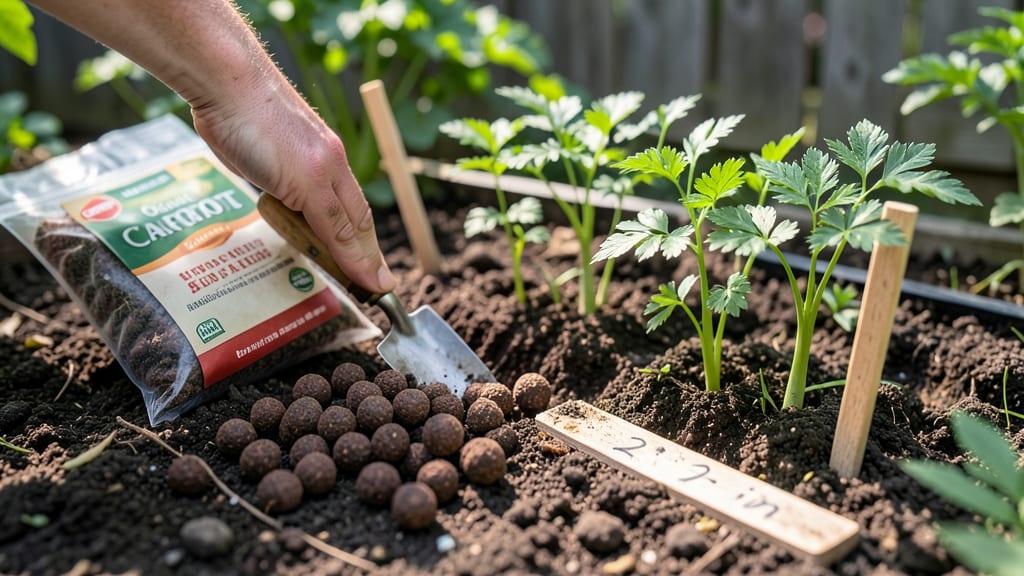
Planting carrot seed pellets instead of tiny seeds transforms your lawn from patchy to uniformly lush in weeks. 🌱 I’ve tried both methods, and these pellets eliminate the frustration of uneven germination—no more thinning seedlings or wasted effort.
The secret lies in their pre-measured, nutrient-coated design, which ensures every pellet sprouts into a strong, weed-competing carrot plant.
You’ll need just three simple tools: a garden rake for soil prep, a pellet planter (or even a pencil), and a watering can with a gentle spray. The pellets go in at ½-inch depth, spaced 2 inches apart—no math required.
Most gardeners see 90%+ germination, compared to 50-60% with traditional seeds, and the process takes less than 20 minutes for a 50-square-foot area.
Once planted, keep the soil moist but not soggy for the first 10-14 days—that’s when roots establish. Full sun (6+ hours daily) and well-draining soil are non-negotiable, but the real magic happens when you thin seedlings to 4 inches apart after they’re 3 inches tall.
The result? A dense, weed-suppressing carpet of edible greens that outcompetes crabgrass naturally.
Troubleshooting is easy: if germination stalls, check moisture (pellets need consistent dampness). For uneven growth, adjust planting depth—too deep means slower sprouting. And yes, you can use these in containers too, just scale the spacing. Once you try them, traditional seeds feel like a gamble.
📚 In This Guide
- What you need
- Instructions
- Tips and common mistakes
- Wrapping up and next steps
What you need
- ● Gearing up for your carrot seed pellet lawn project is simple! Here’s everything you’ll need to get started—from essentials to handy extras—to ensure a lush, weed-resistant lawn. 🌱
Step-by-step guide to planting carrot seed pellets for perfect rows
Here's how I ensure even, weed-free carrot rows every time—no thinning required.
🌱 Step 1: Prepare Soil for Optimal Germination
Work the soil to a depth of 12 inches to break up compaction and remove rocks. Carrot seed pellets need loose soil to grow straight and long. I like to add a 1-inch layer of compost mixed into the top 6 inches for nutrients and moisture retention. Smooth the surface with a rake until it's level and firm.
Test the soil moisture by grabbing a handful—it should hold together when squeezed but not drip water. If it's too dry, water lightly the night before planting. Overly wet soil will cause pellets to sink too deep or clump, making germination uneven. The ideal texture is like a damp sponge.
🌿 Step 2: Mark and Plant Pellets for Straight Rows
Use a string and stakes to create 12-inch apart rows for proper spacing. Carrot seed pellets are pre-coated with clay, making them easy to handle and plant individually. I drop one pellet every 2 inches along the row—no need to bury them. Simply press each pellet lightly into the soil so it sits just below the surface.
Here's the thing—don't cover the pellets with soil. The clay coating dissolves naturally, and burying them too deep slows germination. Watch for the first green shoots in 7-14 days, depending on temperature. If you see uneven sprouting, check for consistent moisture—pellets need steady dampness but not soggy conditions.
☀️ Step 3: Maintain Moisture and Light Conditions
Keep the soil surface consistently moist until germination is complete. I use a fine mist setting on my watering can to avoid disturbing the pellets. Once seedlings reach 2 inches tall, thin to 3 inches apart if needed, but with pellets, you'll rarely need to thin—just plant them correctly the first time.
Provide full sun (6+ hours daily) for straight, flavorful carrots. If planting in early spring or fall, use row covers to protect tender seedlings from cold snaps. You'll know moisture is right when the soil surface looks slightly damp but not glistening. Too much water causes rot, while too little leads to stunted growth.
✂️ Step 4: Monitor for Weeds and Pests
Weeds compete fiercely with carrots, so I pull them as soon as they appear. The key is to keep the planting area clean—carrots grow slowly at first, and weeds will smother them if left unchecked. Mulch with 2 inches of straw after germination to suppress weeds and retain moisture.
Watch for carrot rust flies and aphids, which can damage leaves. If you see holes in leaves or sticky residue, treat with neem oil or insecticidal soap. Healthy plants develop strong tops and deep roots—if leaves yellow or wilt, it's often a sign of overwatering or pest pressure.
⏰ Step 5: Harvest at Peak Maturity
Check for readiness by gently pulling a test carrot when the tops reach 12-14 inches tall. The best time to harvest is when roots are ½ to ¾ inch thick—young carrots are sweeter. Use a fork to loosen soil around the roots before pulling to avoid breaking them.
Don't wait too long—overmature carrots become tough and woody. After harvesting, water the remaining plants to encourage new growth. With proper spacing and care, you'll get a continuous supply of fresh carrots all season long.
Tips & tricks for perfect carrot seed pellet planting
These precision planting strategies will help you achieve flawless, weed-resistant carrot rows every season.
Soil Preparation Secret: The 12-inch deep soil prep isn't just about breaking up compaction—it's about creating the perfect environment for those clay-coated pellets. I've found that adding compost only to the top 6 inches prevents nutrient overload at the surface while still providing the root zone with everything it needs. After loosening, I like to run a leveling rake to create a perfectly flat surface—this ensures even moisture distribution and prevents low spots where water could pool and drown your pellets.
Planting Precision Technique: When creating your 12-inch rows, I recommend using a simple garden line level to ensure they're perfectly straight. The 2-inch spacing between pellets might seem tight, but trust me—it works beautifully. I plant them in a staggered pattern (like brickwork) to maximize space efficiency while still giving each carrot room to grow. For extra precision, I use a small wooden stick marked with 2-inch intervals to maintain consistent spacing along each row.
Germination Environment: The 7-14 day germination window can feel like an eternity, but there's a trick to speed things up. After planting, I cover the entire bed with a lightweight row cover or even a sheet of clear plastic to create a mini greenhouse effect. This maintains consistent moisture and warmth without overwatering. Remove the cover once you see the first green shoots—usually around day 10 in ideal conditions. The key is to keep the soil surface damp like a wrung-out sponge, never soggy.
Weed Prevention Strategy: While the 2-inch straw mulch does an excellent job suppressing weeds, I've found that adding a layer of landscape fabric beneath the straw creates an impenetrable barrier. This prevents weeds from sprouting through while still allowing water and air to reach your carrots. The fabric should be cut to fit between your rows, with the edges tucked under the straw. This method keeps your planting area weed-free for months with minimal maintenance.
Pro Tips for Carrot Seed Pellets
- These precision planting strategies will help you achieve flawless, weed-resistant carrot rows every season.
- Soil Preparation Secret: The 12-inch deep soil prep isn't just about breaking up compaction—it's about creating the perfect environment for those clay-coated pellets.
- Planting Precision Technique: When creating your 12-inch rows, I recommend using a simple garden line level to ensure they're perfectly straight.
Frequently asked questions
Got questions about using carrot seed pellets for your lawn? You’re not alone! Here are some of the most common queries—and straightforward answers—to help you get started with confidence.
How long does it take for carrot seed pellets to germinate?
Carrot seed pellets typically germinate within 10 to 21 days, depending on soil temperature and moisture. For best results, keep the soil consistently moist (but not soggy) and aim for temperatures between 60°F and 75°F (15°C–24°C). Patience pays off—once sprouted, they’ll grow quickly!
Do I need to water carrot seed pellets differently than regular grass seed?
Yes! Carrot seed pellets require gentle, frequent watering to prevent them from drying out or washing away. Lightly mist the area 2–3 times daily for the first week, then taper to daily watering once germination begins. Avoid heavy streams that could displace the pellets.
Will carrot seed pellets choke out weeds naturally?
Carrot seed pellets create a dense, competitive ground cover that outshades weeds by blocking sunlight. However, for best weed suppression, combine them with pre-emergent herbicides (applied before germination) or regular mowing to maintain thickness. Over time, they’ll form a nearly impenetrable barrier.
Can I use carrot seed pellets in shaded areas?
While carrot seed pellets thrive in full sun to partial shade (4–6 hours of sunlight daily), they struggle in deep shade (<2 hours of sun). If your lawn has shady spots, consider mixing them with shade-tolerant grass varieties or opt for ground covers like clover or creeping thyme for those areas.
What’s the best way to overseed with carrot seed pellets?
For overseeding, lightly rake the lawn to loosen soil, then scatter pellets ¼-inch apart (or follow package guidelines). Gently press them into the soil with a lawn roller or your foot, then water thoroughly. Avoid heavy foot traffic until germination completes to protect the delicate seedlings.
What should I do if my carrot seed pellets fail to sprout?
If germination stalls, check these common culprits:
- Soil too dry or cold → Water more frequently and consider a row cover for warmth.
- Poor seed-to-soil contact → Lightly rake and re-press pellets into the soil.
- Competing weeds → Hand-pull weeds before planting or use a vinegar spray (3% acetic acid) for organic control.
Wrapping up and next steps
Carrot seed pellets offer a game-changing way to cultivate a lush, dense lawn while keeping weeds at bay—naturally and efficiently! 🌱 Whether you're a seasoned gardener or just starting, these tiny powerhouses pack a punch with their ease of use, cost-effectiveness, and eco-friendly benefits.
Now that you’re armed with the know-how, it’s time to roll up your sleeves and transform your yard into the envy of the neighborhood.
Ready to take the next step? Start small—test a patch or two this season, monitor the results, and scale up as confidence grows. Happy planting! 🌟