
Size
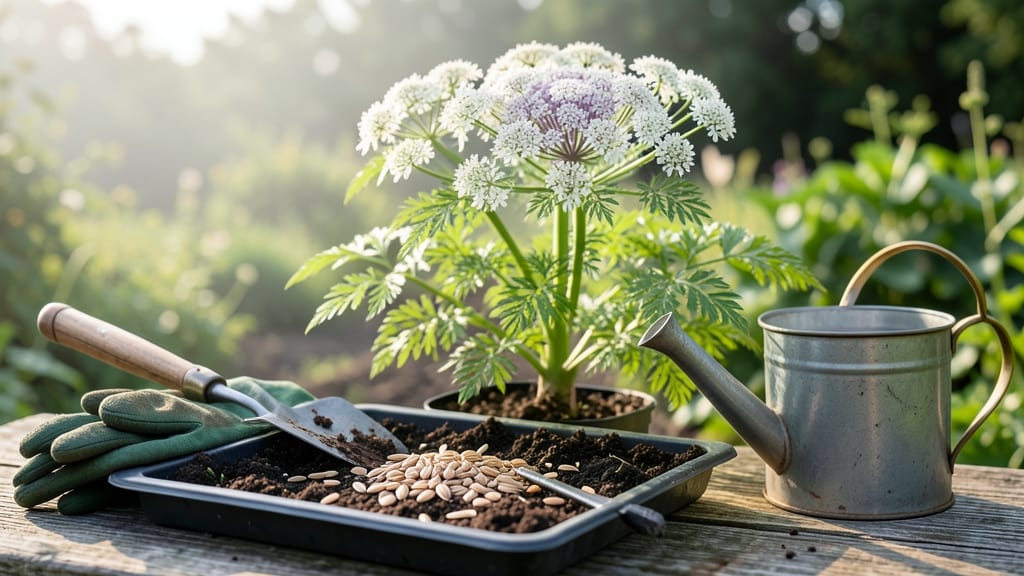
Growing a garden with wild carrot seeds (Daucus carota) means fast, feathery foliage in just 7-14 days—if you know the right tricks. 🌱 I’ve tried the standard approach (scatter seeds, wait), but these germination speed hacks cut that time in half while keeping the plants healthy.
The secret? Pre-soaking, proper depth, and a little warmth to wake them up.
You’ll need a sunny spot with well-draining soil, a small rake or hoe for prep, and a spray bottle for gentle watering. Wild carrots thrive in loose, rocky soil—just like their wild cousins—and they don’t need fancy amendments.
Plant seeds ¼-inch deep, spacing them 6-12 inches apart (they self-seed aggressively, so don’t overcrowd).
Once sprouted, these plants grow fast and lanky, reaching 2-3 feet tall with delicate white flowers by summer. The good news? They’re edible (young leaves and roots taste mild, like regular carrots), though they’re often grown for their ornamental beauty and pollinator appeal.
Just be ready for a volunteer army next year!
Troubleshooting slow starts? Chill the seeds for 24 hours before planting, or cover them with a clear plastic dome to trap warmth. Avoid overwatering—wild carrots hate soggy soil. With these tweaks, you’ll see first sprouts in a week and a full garden by spring.
📚 In This Guide
- What you need
- Instructions
- Tips and common mistakes
- Wrapping up and next steps
What you need
- ● Wild carrot seeds – 1–2 grams (about 200–400 seeds), organic and untreated for best germination.
- ● Seed-starting mix – 2–3 cups of lightweight, well-draining potting soil (or a 10-inch tray of fresh garden soil if planting directly).
- ● Containers or seed tray – Small pots (3–4 inches deep) or a shallow tray with drainage holes.
- ● Spray bottle – For gentle watering (avoid over-saturating seeds!).
- ● Plastic wrap or humidity dome – To retain moisture and warmth during germination.
- ● Grow lights or sunny windowsill – 6–8 hours of indirect light daily (or a small LED grow light if natural light is limited).
- ● Seedling heat mat – Speeds up germination by 2–3 days (ideal for cooler climates).
- ● Fertilizer (low-nitrogen) – A diluted seaweed or fish emulsion (1 tsp per gallon of water) after sprouts emerge.
- ● Transplanting tools – Small hand trowel or spoon for moving seedlings to the garden.
- ● Mulch (straw or grass clippings) – Helps retain soil moisture after transplanting.
Step-by-step instructions for germinating wild carrot seeds quickly
Here’s how I guarantee fast, vigorous wild carrot sprouts—no waiting weeks for stubborn seeds.
🌱 Step 1: Pre-Treat Seeds for Faster Germination
Wild carrot seeds have a hard outer coating that slows germination. To speed things up, soak them in lukewarm water for 12-24 hours before planting. Place the seeds in a small bowl, cover with water, and let them sit at room temperature. You’ll see the water turn slightly cloudy—this means the seed coats are softening.
After soaking, drain the seeds and spread them on a damp paper towel. Fold the towel and place it in a sealed plastic bag. Store this in a warm spot (70-75°F) for 24-48 hours
Fill your seed trays or small pots with a lightweight, well-draining mix. I like to blend 50% peat moss with 50% perlite for aeration. Moisten the soil until it’s damp but not soggy—squeeze a handful; it should hold together without dripping. Wild carrot seeds need consistent moisture to germinate, so keep the soil evenly damp. Scatter the pre-treated seeds on the soil surface—don’t bury them. Press them lightly into the top layer with your finger. A light misting with a spray bottle ensures they stay in place without getting washed away. Cover the tray with a clear plastic lid or plastic wrap to trap warmth and humidity. Place it in a spot that stays around 65-70°F, like on top of a refrigerator or near a sunny window. Check the tray daily for sprouts, which should appear in 5-10 days with pre-treatment. You’ll spot tiny green leaves (cotyledons) pushing through the soil first. Once they emerge, remove the plastic cover immediately—too much humidity now invites mold or damping-off disease. Move the seedlings to a bright location with 6-8 hours of indirect light daily. A south-facing window works, but if growth looks leggy (stems stretching toward the light), supplement with a grow light. Keep the soil surface dry after germination to prevent rot—water only when the top inch feels dry to the touch. When seedlings reach 2 inches tall and have 2-3 true leaves, thin them to 4 inches apart to prevent overcrowding. Use scissors to snip unwanted seedlings at soil level—pulling can disturb roots. This step ensures your remaining plants get enough nutrients and light to grow robustly. After thinning, water deeply at the base to help roots establish. Within 2-3 weeks, you’ll see lush, feathery foliage—your signal that the wild carrots are thriving. Keep the soil consistently moist but well-drained, and avoid fertilizing until they’re established (about 4 weeks old).💧 Step 2: Plant in Warm, Moist Soil
☀️ Step 3: Monitor for Germination and Provide Light
✂️ Step 4: Thin Seedlings for Stronger Plants
Tips & tricks for speeding up wild carrot seed germination
Cutting weeks off the germination process takes the right approach—and these tricks make all the difference.
Pre-Treatment Precision: The 12-24 hour soak is non-negotiable for breaking down wild carrot seeds' tough outer shells, but here's the secret: use lukewarm water (around 85°F) rather than cold. Warmer water speeds up the softening process while preventing seed damage. After soaking, I recommend spreading seeds on a damp paper towel rather than a dry one—this maintains consistent moisture without creating anaerobic conditions that could promote mold.
Temperature Control: Maintaining that 70-75°F range during the 24-48 hour stratification period is crucial, but don't assume your kitchen stays perfectly consistent. I've found placing the sealed bag on top of a refrigerator (which maintains around 70°F) works better than most indoor locations. Pro tip: If your home runs cooler, consider using a seedling heat mat set to 75°F for the first 24 hours to jumpstart germination.
Light Management: The 6-8 hours of indirect light after germination is critical, but timing matters most during the first week. I've seen seedlings develop legginess when exposed to direct sunlight too soon—wait until you see those first true leaves before introducing any direct light. For indoor setups, position your grow lights 6-12 inches above the seedlings and adjust as they grow to maintain consistent light intensity.
Troubleshooting Common Issues: If you're not seeing sprouts within the 5-10 day window, check three things first: soil moisture (should be damp like a wrung-out sponge), temperature consistency (use a small thermometer if needed), and seed viability (test a few seeds in warm water—they should sink and show no cracks if viable). I've found that adding a thin layer of vermiculite over the seeds during the germination phase helps maintain moisture without suffocating the sprouts.
Pro Tips for Wild Carrot Seed Grow A Garden
- Cutting weeks off the germination process takes the right approach—and these tricks make all the difference.
- Pre-Treatment Precision: The 12-24 hour soak is non-negotiable for breaking down wild carrot seeds' tough outer shells, but here's the secret: use lukewarm water (around 85°F) rather than cold.
- Temperature Control: Maintaining that 70-75°F range during the 24-48 hour stratification period is crucial, but don't assume your kitchen stays perfectly consistent.
Frequently asked questions
How long does it take for wild carrot seeds to germinate?
Wild carrot seeds typically sprout within 10–21 days under ideal conditions—warm soil (60–75°F), consistent moisture, and sunlight. For faster results, pre-soak seeds for 24 hours or use a seedling heat mat. Patience pays off, but don’t hesitate to troubleshoot if germination stalls beyond 3 weeks!
Can I speed up germination with any tricks?
Try these proven hacks:
- Soak seeds in warm water overnight to soften the hard outer shell.
- Plant in moist, well-draining soil and keep it consistently damp (not soggy).
- Use a clear plastic dome or row cover to trap humidity and warmth.
- Sow seeds shallowly (1/8 inch deep)—wild carrots need light to germinate!
Do wild carrots need full sun, or can they grow in partial shade?
Wild carrots thrive in full sun (6+ hours daily), but they’ll tolerate partial shade (4–6 hours)—though yields may be smaller. If growing in shade, prioritize well-draining soil and thin seedlings aggressively to avoid competition. For the best harvest, aim for a sunny spot!
What should I do if my wild carrots look like weeds or bolt too early?
Wild carrots can resemble poison hemlock or Queen Anne’s lace (their close relative), so identify plants early—look for feathery leaves and a purple-tinged stem. To prevent bolting (flowering too soon):
- Harvest young leaves before flowering.
- Avoid overcrowding—thin seedlings to 3–4 inches apart.
- Use shade cloth in hot climates to delay flowering.
Are wild carrots edible, and how do they compare to store-bought?
Yes! Wild carrots are fully edible—young leaves taste like parsley or cilantro, while roots (if allowed to grow) are sweeter and earthier than grocery-store varieties. However, they’re smaller and less uniform. For a mix, try growing wild carrots alongside Danvers or Nantes for a dual harvest!
Wrapping up and next steps
Growing wild carrot seeds in your garden is a rewarding journey—especially when you unlock the secrets to speedy germination! By choosing the right seeds, prepping your soil, and using simple hacks like soaking or scarification, you’ll soon enjoy lush, vibrant plants.
Whether you’re a seasoned gardener or just starting out, these tips make the process effortless and fun.
Now that you’re armed with knowledge, it’s time to roll up your sleeves and plant those seeds! Start small with a test patch, track your progress, and soon you’ll be harvesting fresh wild carrots—or sharing them with fellow green thumbs. Happy growing! 🌱✨