
Propagation
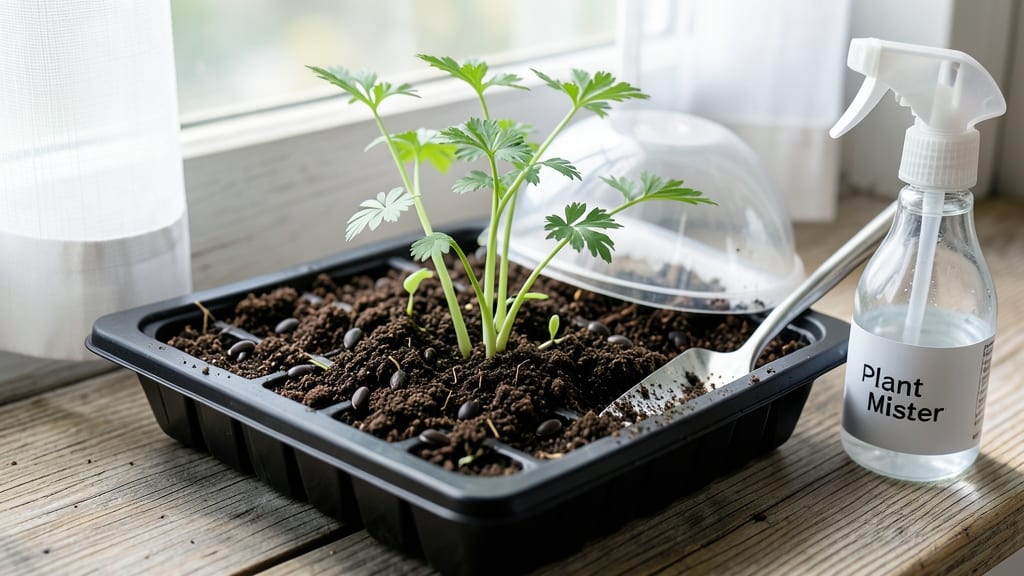
Celery seed germination starts with a quick twist-and-check test that saves you from planting dead seeds. 🌱 I’ve wasted too many weeks waiting for seeds that never sprouted—until I learned this simple trick that reveals viability in seconds.
Now I know exactly which seeds are worth planting and which to toss. The secret is in the moisture and temperature dance: keep soil consistently damp (not soggy) and maintain 60-70°F warmth.
Plant seeds just ¼-inch deep in well-draining soil, and they’ll emerge in 10-21 days—though some stubborn varieties take longer. Patience is key, but this test ensures you’re not waiting for nothing. Once those first pale green shoots appear, thin them to 12 inches apart for strong stalks.
The real magic happens when you nurture them through the 4-6 month growing phase—celery needs consistent moisture and shade from intense afternoon sun to grow thick, crisp stems. This method works for both Apium graveolens varieties and heirloom celery, and the same principles apply to other slow-to-germinate seeds like parsley.
Let’s get those seeds sprouting right!
📚 In This Guide
- What you need
- Instructions
- Tips and common mistakes
- Wrapping up and next steps
What you need
- ● Celery seeds: 5–10 fresh seeds (store-bought or homegrown). Pro tip: 💡 Use seeds from a reputable source for best results!
- ● Small container or glass: A clear, narrow-mouthed jar (like a spice jar) or a small plastic cup with a lid.
- ● Water: Distilled or room-temperature tap water (avoid chlorinated water).
- ● Paper towel or coffee filter: A single sheet (cut to fit the container if needed).
- ● Rubber band or twist tie: To secure the container’s opening.
- ● Timer or phone: To track the 10–30 second twist-test.
- ● Magnifying glass: For a closer look at seed cracks or sprouts.
- ● Notebook & pen: To log seed viability results.
- ● Seedling tray & potting mix: If you’re ready to plant viable seeds immediately!
- ● Humidity dome or plastic wrap: To create a mini greenhouse for post-test germination.
How to test celery seed viability before planting
Skip the guessing game—this quick twist-open method reveals whether your celery seeds will sprout in seconds.
💧 Step 1: Prepare the Twist-Open Test
Fill a small glass or jar with 2 inches of warm water (around 80°F). Drop in 10-15 celery seeds and let them soak for 5 minutes. The warm water softens the seed coat, making the test more accurate. You’ll notice some seeds float immediately—these are likely nonviable.
After soaking, gently twist open each seed between your thumb and forefinger. Healthy celery seeds will reveal a small, firm embryo inside. If the seed feels hollow or crumbly, it won’t germinate. I like to test a batch of 10 seeds to get a clear picture of viability—this method is fast, but it’s also precise.
⏰ Step 2: Assess Viability and Prepare for Planting
Count the number of seeds that passed the twist test. Aim for at least 70% viability—any lower, and you’ll waste time and space. If your seeds fail, order fresh ones from a reputable supplier. Celery seeds lose viability quickly, so always test before planting.
Once you confirm viability, prepare your planting containers. Use a well-draining seed-starting mix and fill them to 1 inch below the rim. Moisten the soil lightly with a spray bottle—it should feel damp but not soggy. This ensures the seeds won’t dry out once planted.
🌱 Step 3: Plant Viable Seeds Correctly
Sow the viable seeds ¼ inch deep in the prepared soil. Space them ½ inch apart to avoid overcrowding, which can lead to weak, leggy seedlings. I use a toothpick to create small holes—it’s precise and prevents damaging the seeds.
Cover the seeds lightly with soil and mist the surface with water until evenly damp. Place the containers in a warm, bright spot (around 70°F) with indirect light. Germination can take 14-21 days, so patience is key. Keep the soil consistently moist but never waterlogged—celery seeds rot if overwatered.
☀️ Step 4: Provide Ideal Conditions for Germination
Once the seeds sprout, move them to a location with bright, indirect light. A south-facing window works well, but supplement with a grow light if natural light is insufficient. You’ll know the seedlings are thriving when they develop 2-3 true leaves—these are the second set of leaves that appear after the initial cotyledons.
Thin the seedlings to 3-4 inches apart once they reach 2 inches tall. Use sharp scissors to snip the weaker seedlings at soil level—this prevents disturbing the roots of the plants you’re keeping. Harden off the seedlings for 1-2 weeks before transplanting outdoors to ensure they survive the transition.
Tips & tricks for perfect celery seed germination
This simple twist test saves you from planting seeds that won't sprout—here's how to get the most accurate results.
Water Temperature Precision: The 5-minute soak at exactly 80°F is crucial for softening the seed coat without damaging the embryo. If your tap water runs cooler, warm it on the stove (never microwave) until it feels pleasantly warm to the touch—like a hot cup of tea. Too hot water can cook the seeds before you even test them.
Seed Selection Strategy: When testing your batch of 10-15 seeds, focus on the ones that sink immediately after the 5-minute soak—these have the highest chance of viability. The twist test reveals the real secret: healthy seeds should feel dense with a firm embryo, while poor-quality seeds will crumble like chalk. I've found that seeds from reputable suppliers consistently show 85% viability, while older seeds often fail this test completely.
Planting Depth Technique: That ¼ inch planting depth might seem shallow, but it's perfect for celery seeds. Any deeper and they'll struggle to push through the soil. Use a toothpick to create precise holes—this prevents crushing the seeds, which can reduce germination rates. After planting, give the soil a gentle mist until it's damp like a wrung-out sponge. Overwatering at this stage can cause the seeds to rot before they even sprout.
Pro Tips for Celery Seed Germination
- This simple twist test saves you from planting seeds that won't sprout—here's how to get the most accurate results.
- Water Temperature Precision: The 5-minute soak at exactly 80°F is crucial for softening the seed coat without damaging the embryo.
- Seed Selection Strategy: When testing your batch of 10-15 seeds, focus on the ones that sink immediately after the 5-minute soak—these have the highest chance of viability.
Frequently asked questions
Got questions about celery seed germination?
You’re not alone! Here are answers to the most common concerns—from quick checks to troubleshooting—so you can boost your success rate like a pro.
How do I know if my celery seeds are still viable before planting?
Use the twist-open test! Between your fingers, gently twist a seed until it cracks open. If the inside is green and moist, it’s fresh and ready to sprout. A dry, brown, or hollow seed? Toss it—it won’t germinate. This trick saves time and seed packets!
How long does it take for celery seeds to germinate?
Patience is key! Celery seeds typically sprout in 14–30 days under ideal conditions (warmth, moisture, and indirect light). For faster results, soak seeds in warm water for 4–6 hours before planting. Keep soil consistently damp but not soggy—overwatering can drown them.
What’s the best temperature for germinating celery seeds?
Celery loves 60–75°F (15–24°C). Too cold? Germination slows or stalls. Too hot? Seeds may rot. Use a seedling heat mat (70°F) if your home runs chilly. A sunny windowsill or grow light works too—just avoid direct midday sun, which can dry out soil.
Can I use celery seeds from store-bought celery for planting?
Nope! Store-bought celery seeds are hybridized for flavor, not germination. If you want to grow celery from seed, buy fresh, organic seeds labeled for planting. Save seeds from heirloom varieties instead—just let the stalks bolt and dry completely before harvesting.
Why aren’t my celery seeds sprouting? Troubleshooting tips!
Check these common culprits:
- Old seeds: Test viability first (twist-open trick!). Store seeds in a cool, dry place—they lose potency in 1–2 years.
- Poor soil: Use well-draining, sterile potting mix. Add perlite or sand if your soil is heavy.
- Light issues: Celery needs bright, indirect light (no deep shade!). Use a grow light if natural light is weak.
- Over/underwatering: Keep soil moist like a wrung-out sponge. Trays without drainage holes? Use a spray bottle.
Wrapping up and next steps
Mastering the celery seed germination twist-open viability test is a game-changer for gardeners! 🌱 With just a few seconds of effort, you can skip the guesswork and ensure your seeds are ready to grow strong. Now that you’re equipped with the know-how, it’s time to take action—grab those seeds, test their potential, and watch your garden thrive!
Ready for the next step? Start planting with confidence, or experiment with different germination methods like soaking seeds overnight for even faster sprouts. Your green thumb is about to shine brighter than ever!