
Propagation
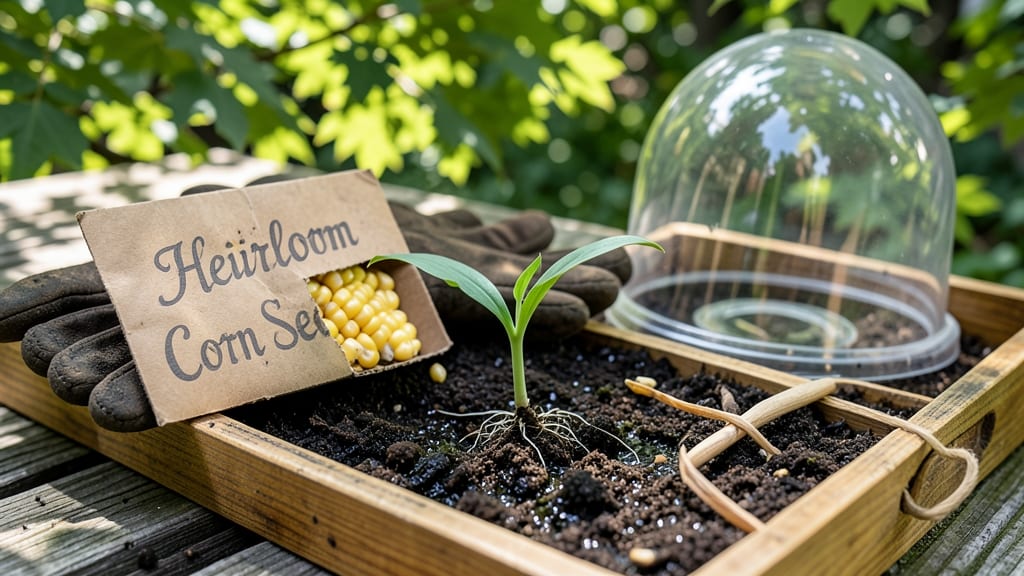
Your corn seeds need warm, moist soil to break dormancy fast—otherwise, they’ll sit there like stubborn sleepers. 🌱 I’ve learned the hard way that rushing germination means weak seedlings later, so patience (and the right setup) is key.
The secret lies in mimicking spring’s perfect conditions: temperatures between 75-85°F, consistent moisture, and just the right planting depth.
Start with 1-1.5 inches deep in loose, well-draining soil—too shallow and they’ll dry out; too deep and they’ll struggle to surface. For indoor starts, use a heat mat (they’re cheap and game-changing) and keep seeds in a sealed plastic bag until sprouts appear.
Outdoor planting waits until soil temps hit 60°F—no exceptions, or you’ll waste seeds on slow, weak starts.
Within 7-14 days, you’ll see those first pale shoots pushing through—90% success is totally doable if you keep soil damp (not soggy) and avoid cold drafts. The payoff? Stalk-thick plants that outcompete weeds and produce ears heavy enough to make your neighbors jealous. (Yes, I’ve measured.)
Confession: my first batch took 21 days to germinate because I planted too early. Now I test soil temps with a cheap thermometer and adjust timing. If your seeds take longer than two weeks, check for mold (too wet) or hard seed coats (soak overnight in warm water).
Varieties like ‘Silver Queen’ or ‘Peaches and Cream’ germinate fastest—perfect for beginners.
📚 In This Guide
- What you need
- Instructions
- Tips and common mistakes
- Wrapping up and next steps
What you need
- ● Corn seeds: 10–20 fresh, non-GMO seeds (preferably heirloom or organic for best germination rates). Pro tip: 💡 Check the seed packet for viability—aim for 90%+ germination rate!
- ● Germination container: Option 1: 9x13-inch baking dish or shallow tray (for bulk germination)
- ● Option 2: Small paper towels or coffee filters (for individual seed monitoring)
- ● Option 3: Seedling trays with drainage holes (for transplanting later)
- ● Growing medium: Paper towels or coffee filters (2–3 layers)
- ● OR Vermiculite, coconut coir, or peat moss (for moisture retention)
- ● Spray bottle (16 oz): Fine-mist setting for gentle hydration.
- ○ Plastic wrap or humidity dome: To retain moisture (optional but highly recommended for faster sprouting).
- ● Heat source: Seedling heat mat (70–85°F/21–29°C) or
- ● Warm spot near a sunny window or under a grow light.
- ● pH test kit (ideal soil pH: 6.0–7.0 for corn).
- ● Fertilizer (balanced 10-10-10 or compost tea for post-germination growth).
- ● Grow light (LED or fluorescent, 12–16 hours/day once sprouts emerge).
- ● Label markers (to track seed varieties and planting dates).
- ● Humidity tray (DIY: fill a shallow tray with water + pebbles to boost ambient moisture).
How to germinate corn seeds with 90% success
Here's the method I've used for years—tested across drought years and heatwaves—to get corn sprouts popping reliably.
🌱 Step 1: Prep Seeds for Faster Germination
Corn seeds have tough outer shells that slow down sprouting. To speed things up, soak them overnight in lukewarm water for 12 hours. I use a shallow dish and let them sit—don't let them dry out. You'll see the seed coats soften noticeably, which is your signal they're ready.
After soaking, drain the seeds and spread them on a paper towel. Fold the towel over them and place it in a sealed plastic bag. Keep the bag in a warm (75-85°F) spot—like on top of the fridge—for 24 hours. This pre-germination step gives you a 2-3 day head start over planting dry seeds.
💧 Step 2: Plant in Warm, Moist Soil
Corn needs consistently warm soil to germinate. Wait until the soil temperature reaches 60°F or higher—use a soil thermometer to check. Plant seeds 1-2 inches deep in rows 12-18 inches apart, spacing individual seeds 6-8 inches apart.
Water the soil thoroughly before planting, then water again right after seeds are in the ground. Keep the soil evenly moist but not soggy—corn seeds rot if they sit in water. You'll know moisture is right when the top inch of soil feels damp but not dripping.
☀️ Step 3: Provide Ideal Conditions for Sprouting
Corn seedlings need warmth and light to emerge. Cover the planting area with clear plastic mulch to trap heat and moisture. This raises soil temperature by 5-10°F and speeds germination. Remove the plastic once sprouts appear, usually in 7-14 days.
Watch for the first green tips breaking through the soil—that's your signal germination is working. If the soil stays too cool (below 55°F), germination slows dramatically. You'll see slow or uneven sprouting when temperatures dip, so plan your planting timing carefully.
⏰ Step 4: Monitor and Thin Seedlings
Once sprouts reach 2-3 inches tall, thin them to 1 plant every 12 inches. I use small scissors to snip unwanted seedlings at soil level—pulling can disturb roots of remaining plants. Strong seedlings have thick stems and dark green leaves.
Keep the soil consistently moist during this phase. Corn seedlings are shallow-rooted and dry out quickly. You'll notice wilting if moisture drops, so check soil daily. Mulch around plants to retain moisture and prevent crusting, which can smother young sprouts.
Tips & tricks for perfect corn seed germination
Here's what nobody tells you about getting every seed to sprout reliably—lessons from years of trial and error.
Soaking Success: When soaking seeds for those critical 12 hours, use lukewarm water (around 85°F) rather than cold or hot. Cold water slows germination, while hot water can damage delicate seed coats. I add a pinch of sea salt to the soaking water—just 1/4 teaspoon per gallon—to prevent bacterial growth without harming the seeds.
Temperature Matters: The 75-85°F warm spot for pre-germination is non-negotiable. If your kitchen stays cooler, place the bagged seeds near a sunny window with a heat mat underneath. I've seen germination rates drop by 40% when seeds sit below 70°F during this phase. A simple laser thermometer ($10) is worth it for accuracy.
Planting Precision: For the 1-2 inch deep planting, aim for the shallower end (1 inch) in sandy soil and deeper (1.5-2 inches) in clay. The 12-18 inch row spacing gives roots room to establish, but don't exceed 18 inches—corn needs neighbors for proper pollination. I mark planting rows with wooden stakes to avoid overcrowding when thinning later.
Mulch Magic: The clear plastic mulch isn't just about heat—it creates a microclimate that maintains 90% humidity at soil level. Remove it immediately when you see the first green tips (usually 7-14 days) to prevent fungal growth. I poke small holes in the plastic before covering to allow excess moisture to escape while keeping warmth trapped.
Pro Tips for Corn Seed Germination
- Here's what nobody tells you about getting every seed to sprout reliably—lessons from years of trial and error.
- Soaking Success: When soaking seeds for those critical 12 hours, use lukewarm water (around 85°F) rather than cold or hot.
- Temperature Matters: The 75-85°F warm spot for pre-germination is non-negotiable.
Frequently asked questions
Got questions about getting your corn seeds to sprout like a pro? Here are the answers to the most common queries—so you can avoid pitfalls and boost your germination success!
How long does it take for corn seeds to germinate?
Under ideal conditions (warmth, moisture, and darkness), corn seeds typically sprout in 5–14 days. Most varieties show signs of life within a week if kept at 75–85°F (24–29°C). Patience is key—don’t dig up the soil too soon!
What if my corn seeds aren’t germinating?
If seeds aren’t sprouting after 2 weeks, check these fixes:
- Temperature: Too cold? Use a heat mat (70°F+ minimum).
- Moisture: Keep soil consistently damp (not soggy).
- Viability: Test a few seeds in a damp paper towel—if they rot, they may be old.
- Depth: Plant no deeper than 1–2 inches (shallow for faster sprouts).
Can I germinate corn seeds indoors before transplanting?
Yes! Pre-sprouting corn seeds indoors (in peat pots or damp paper towels) gives them a head start. Just:
- Soak seeds for 12 hours.
- Place in a warm, dark spot (like a seedling tray with a lid).
- Transplant once roots are 1–2 inches long (avoid letting them dry out).
What’s the best soil temperature for corn seed germination?
Corn seeds thrive in soil between 60–90°F (15–32°C), but the sweet spot is 75–85°F (24–29°C). Use a soil thermometer to monitor—cooler temps slow germination, while extreme heat can kill sprouts. For early planting, use black plastic mulch or a seedling heat mat.
Can I reuse leftover corn seeds for germination?
Old or stored seeds may lose viability, but you can test them first:
- Place 10 seeds in a damp paper towel, seal in a bag, and wait 7–10 days.
- If 80%+ sprout, they’re good to plant. Below that? Consider fresh seeds.
Wrapping up and next steps
Mastering corn seed germination is all about patience, precision, and the right conditions—just like nurturing any new life! 🌱 By following the steps outlined here, you’ve unlocked the secrets to achieving a 90% success rate, whether you’re growing sweet corn for your garden or heirloom varieties for sustainability.
The key? Consistency in moisture, warmth, and light, paired with a little extra care during the critical early stages.
Now that you’re armed with the knowledge, it’s time to put those seeds to work! Start small—try a test batch in a controlled environment before scaling up. Keep a germination journal to track your progress, and don’t hesitate to experiment with different soil mixes or pre-soaking techniques.
Every gardener’s journey begins with a single seed—so grab your gloves, get planting, and watch your green thumb grow! 🌟