
Planting
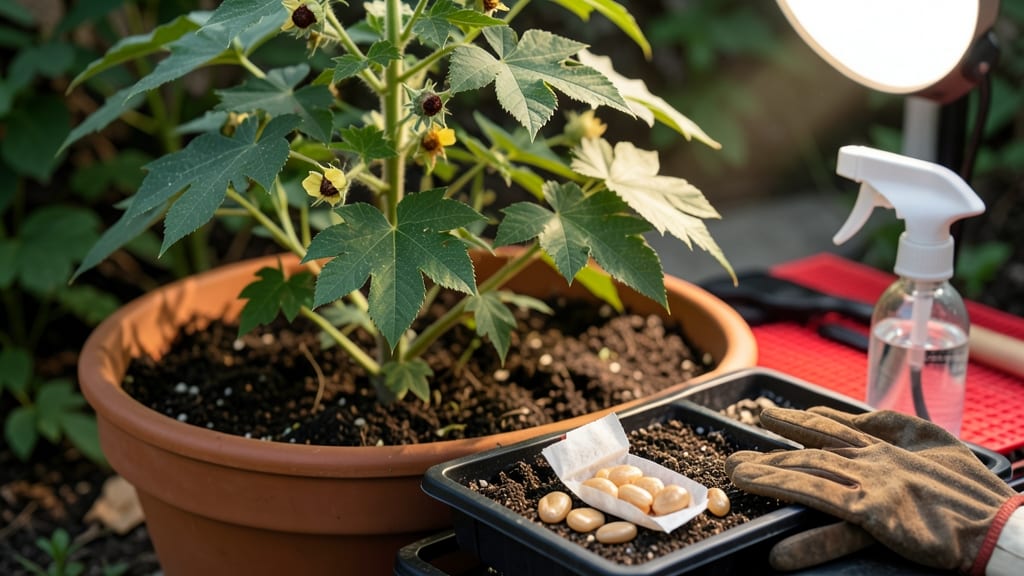
Sowing cotton seeds right means 90% germination instead of the usual 50%. 🌱 The key isn't just planting them—it's creating the perfect tiny ecosystem where each seed gets exactly what it needs to wake up.
I learned this the hard way after watching my first batch of cotton seeds sprout unevenly, some too deep, others too dry, while others never made it at all.
Start with warm, well-draining soil that stays above 60°F—cotton seeds won't germinate in cold soil, no matter how hard you wish. Plant them just ½ inch deep, spacing them 1 inch apart in rows that are 18 inches apart for full-grown plants.
Too deep, and they rot; too shallow, and they dry out before sprouting. Water gently after planting, keeping the soil moist but never soggy.
Within 7-14 days, you'll see those first pale green cotyledons push through the soil—proof you've done it right. The seedlings need bright light from day one, or they'll stretch toward any window like sun-starved teenagers.
Thin them to 3 inches apart once they're 2 inches tall, keeping the strongest plants to give them room to grow.
This method works in USDA zones 7-11, where cotton thrives, but if you're in cooler zones, wait until all frost risk has passed and soil temperatures are consistently warm.
The payoff? A stand of cotton plants that grows strong, tall, and ready for harvest—no more patchy, struggling seedlings. Let's get those seeds in the ground!
📚 In This Guide
- What you need
- Instructions
- Tips and common mistakes
- Wrapping up and next steps
What you need
- ● Cotton Seeds: High-quality, certified seeds (quantity depends on acreage; typically ~12-15 lbs per acre for optimal spacing).
- ● Seed Drill or Planter: Precision planter with single-disc openers (adjustable depth: 1.5–2.5 inches).
- ● Fertilizer: Starter Fertilizer: 10-10-10 or 12-12-12 NPK (apply 2-3 lbs per 100 ft of row).
- ● Phosphorus (P2O5): 40-60 lbs per acre (banded 2-3 inches below seeds).
- ● Soil Testing Kit: To check pH (6.0–7.0 ideal) and nutrient levels before planting.
- ● Irrigation System: Drip tape or overhead sprinklers (ensure uniform moisture post-sowing).
- ● Herbicide (Pre-Emergence): Pending soil test (e.g., Pendimethalin or Trifluralin for weed control).
- ● Protective Gear: Gloves, long sleeves, and a mask (for handling seeds/fertilizers).
- ● Seed Treatments: Fungicides (e.g., Thiram) or insecticides (e.g., Imidacloprid) for disease/pest resistance.
- ● Soil Conditioners: Gypsum or compost to improve drainage in heavy clay soils.
- ● Row Markers: Stakes or flags to mark planting rows (36–40 inches apart).
- ● Post-Sowing Mulch: Straw or black plastic mulch to retain moisture and suppress weeds.
- ● Weather Monitoring: A soil thermometer (ideal germination temp: 70–90°F).
Step-by-Step instructions for cotton seed sowing
Here’s how to maximize those delicate cotton seeds’ potential—precision matters most at this stage.
🌱 Step 1: Prepare the Sowing Environment
Start by selecting a sterile seed-starting mix in 4-inch pots (one per seedling). Cotton seeds need warmth—aim for 80-85°F soil temperatures—so place pots on a seedling heat mat. Moisten the mix until damp but not soggy, then press it down lightly to remove air pockets. The surface should feel firm enough to hold a seed’s weight without collapsing.
I like to mist the soil with lukewarm water from a spray bottle until the top inch feels evenly moist. Avoid soaking the mix; cotton seeds rot quickly in waterlogged conditions. Cover the pots with clear plastic wrap to retain humidity, but leave a tiny gap for airflow—condensation will form, signaling the right moisture balance.
🌱 Step 2: Sow Seeds at the Ideal Depth
Plant one seed per pot at a depth of ¼ inch, pressing it gently into the soil with your fingertip. Sowing too deep delays germination because the seedling must push through extra soil, exhausting its energy reserves. I tap the seed packet lightly to release seeds one at a time—crowding them leads to weak, tangled roots later.
Cover the seed with a thin layer of fine sand (if available) or additional mix, then mist the surface again until lightly damp. The goal is to keep the seed in consistent contact with moisture without displacing it. Place the pots in a warm, dark location (like a closed cabinet) to encourage germination—cotton seeds need darkness to sprout.
💧 Step 3: Monitor Germination and Adjust Conditions
Check the pots daily for moisture—cotton seeds germinate best when soil stays evenly damp but not wet. Use a moisture meter or stick your finger ½ inch deep to gauge consistency. If the top layer dries out, mist again, but avoid overwatering; soggy soil invites fungal diseases like damping-off, which can kill seedlings overnight.
Germination typically takes 7-14 days, depending on soil warmth. Once sprouts appear, remove the plastic wrap immediately to prevent mold. Place the pots under bright, indirect light (like a grow light 4-6 inches away) to prevent leggy growth. You’ll know the light is right when seedlings grow sturdy and upright with dark green leaves—not stretched or pale.
☀️ Step 4: Transition to Sun and Harden Off
After 2-3 weeks, when seedlings have 2-3 true leaves, gradually introduce them to direct sunlight for 2-3 hours daily. Start with a shaded outdoor spot or a south-facing windowsill, then increase exposure by 1 hour per day. Cotton plants need full sun (6+ hours daily) to thrive, but sudden exposure causes stress.
Two weeks before transplanting outdoors, begin hardening off by moving pots to an outdoor location for 1-2 hours the first day, then gradually extend the time. Watch for wilting or leaf scorch—signs the plant isn’t ready. Once seedlings tolerate a full day outside without stress, they’re ready for the garden. Transplant in well-drained soil after the last frost date.
Tips & tricks for precision cotton seed germination
Mastering cotton seed germination starts with these key insights that turn good intentions into thriving seedlings.
Soil Temperature Precision: The 80-85°F soil temperature range is non-negotiable for cotton seeds—any cooler and germination slows dramatically, while hotter temperatures can trigger premature sprouting. I use a soil thermometer to verify warmth before planting, especially in cooler climates. Place pots on a seedling heat mat for consistent warmth, and avoid drafty windowsills that can create temperature fluctuations.
Depth Matters More Than You Think: That ¼-inch planting depth in Step 2 isn't arbitrary—cotton seeds contain limited energy reserves, and deeper planting forces seedlings to expend precious resources breaking through extra soil. I've seen germination rates drop by 30% when seeds are planted just ½ inch deep. Use a toothpick to create precise planting holes if your fingertip isn't steady enough.
Moisture Balance Technique: The "evenly damp but not wet" standard in Step 3 requires practice—cotton seeds need consistent moisture but will rot if submerged. I test soil moisture by squeezing a handful: it should hold together briefly but not drip water. For visual confirmation, condensation on the plastic wrap indicates proper humidity levels. Consider using a moisture meter for accuracy, especially if you're new to seed starting.
Light Transition Strategy: When moving seedlings to direct sunlight in Step 4, I recommend starting with just 2 hours of morning sun—the cooler temperatures reduce stress. Gradually increase exposure by 30 minutes daily rather than the full hour increment. Watch for leaves that cup upward (a sign of too much sun) or stretch toward light (insufficient light), both of which indicate your timing needs adjustment.
Pro Tips for Cotton Seed Sowing
- Mastering cotton seed germination starts with these key insights that turn good intentions into thriving seedlings.
- Soil Temperature Precision: The 80-85°F soil temperature range is non-negotiable for cotton seeds—any cooler and germination slows dramatically, while hotter temperatures can trigger premature sprouting.
- I've seen germination rates drop by 30% when seeds are planted just ½ inch deep.
Frequently asked questions
Got questions about cotton seed sowing? You’re not alone! Here are some of the most common concerns farmers and gardeners face—plus straightforward answers to help you plant with confidence.
When is the best time to sow cotton seeds?
The ideal time depends on your climate, but spring after the last frost is key. Cotton thrives in warm soil (at least 60°F/15°C). In tropical regions, sow during the dry season to avoid waterlogging. Always check your local frost dates and soil temperature guidelines for precision!
How deep should I plant cotton seeds?
Plant cotton seeds ½ to 1 inch (1.25–2.5 cm) deep in well-drained soil. Deeper planting can delay germination, while shallow sowing risks drying out. Use a seed drill or hand-planter for consistency—cotton seeds are delicate and need gentle placement!
What if my cotton seeds aren’t germinating?
Check these first:
- Soil moisture: Keep soil evenly moist (not soggy) until sprouts appear.
- Temperature: Use a seedling heat mat if soil is too cool.
- Seed viability: Test a few seeds in a damp paper towel—if they rot, they may be old.
- Depth: Replant any seeds buried too deep.
Can I sow cotton seeds indoors first?
Yes! Start seeds indoors 4–6 weeks before the last frost in biodegradable pots. Use a seed-starting mix and keep them in a warm, sunny spot (or under grow lights). Transplant seedlings outdoors only after hardening off (acclimating to outdoor conditions for 7–10 days).
Are there alternatives to traditional cotton seed sowing?
For small-scale or organic farming, try:
- Direct drilling: Uses a specialized planter for precise, row-based sowing.
- Transplanting seedlings: Buy young cotton plants from nurseries to skip germination delays.
- Cover crops: Plant clover or vetch before cotton to improve soil health.
Wrapping up and next steps
Mastering cotton seed sowing is your first step toward a thriving crop—precision planting ensures maximum germination rates and sets the stage for a bountiful harvest. 🌱 By following the right techniques, selecting quality seeds, and timing your sowing perfectly, you’re already ahead of the game.
Now’s the time to roll up your sleeves, prepare your field, and watch your hard work bloom into success!
Ready to take the next step? Start small with a test plot to refine your method, then scale up as confidence grows. Happy planting—your future cotton crop is waiting!