
Lawn
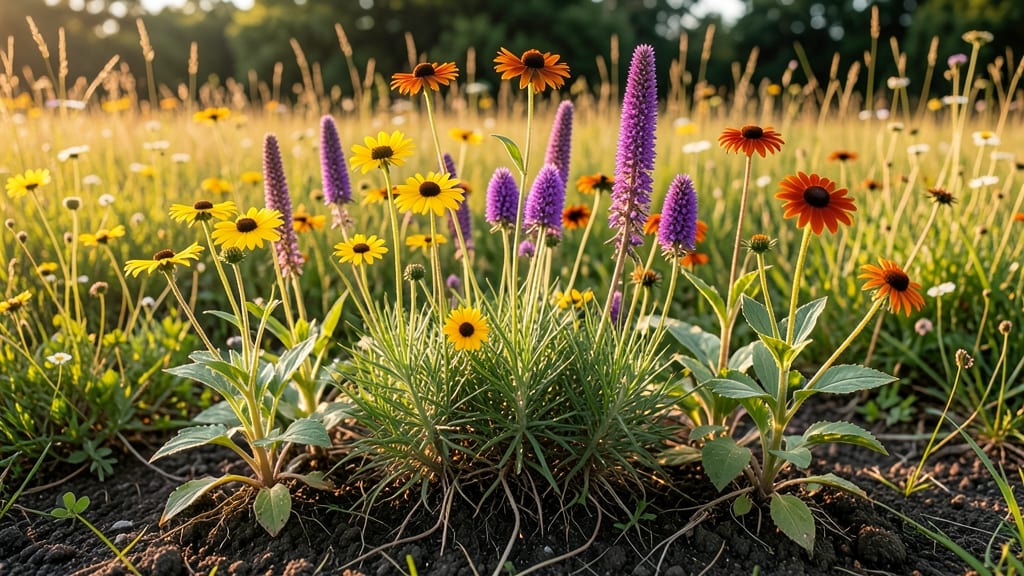
A Georgia wildflower seed mix transforms your yard into a buzzing pollinator paradise by summer. 🌻 I planted mine last April, and by June, monarchs, bees, and butterflies made it their new favorite spot—something my old lawn never did.
The secret is simple: prepare your soil by removing weeds, then scatter seeds evenly in well-drained areas with full sun. Lightly rake them in and water gently but consistently for the first 60 days—no fancy tools or expensive amendments needed.
By late spring, you’ll see vibrant blooms like black-eyed Susans, purple coneflowers, and coreopsis drawing hummingbirds and bees. The best part? These native flowers thrive with minimal care once established, saving you time and water. Works in any sunny patch—backyards, roadsides, or even containers.
Here’s how to make it happen without the guesswork.
📚 In This Guide
- What you need
- Instructions
- Tips and common mistakes
- Wrapping up and next steps
What you need
- ● Georgia Wildflower Seed Mix: 1–2 lbs per 100 sq. ft. (check the package for exact coverage rates). Opt for a native mix like Black-Eyed Susan, Coreopsis, or Butterfly Milkweed for pollinator appeal.
- ● Rake: A sturdy bow rake (with ¼-inch tines) to loosen soil and remove debris.
- ○ Garden Hoe or Broadfork: For breaking up compacted soil (optional but helpful for clay-heavy areas).
- ● Water Source: Hose with a gentle spray nozzle or a watering can (avoid high-pressure jets).
- ● Garden Gloves: A pair of durable, breathable gloves to protect your hands.
- ○ Mulch (Optional but Recommended): Straw or wood chips: ¼-inch layer to retain moisture and suppress weeds.
- ● Burlap or landscape fabric: Only if using to block weeds (remove before planting).
- ● Sunlight: A full-sun to part-sun location (6+ hours of sunlight daily). Wildflowers thrive in Georgia’s warm climate!
- ● Soil Prep: Remove existing grass or weeds (or smother with cardboard + mulch for 4+ weeks).
- ● Loosen top 2–3 inches of soil (wildflowers don’t need deep planting!).
- ● Timing: Plant in early spring (March–April) or fall (September–October) for best germination.
- ● Patience: Wildflowers may take 10–60 days to sprout—consistent moisture is key!
Step-by-step guide to planting a Georgia wildflower meadow
Here's how to transform your yard into a buzzing pollinator paradise in just two months.
🌱 Step 1: Prepare the Site for Optimal Germination
Choose a sunny location with at least 6 hours of direct sunlight daily—wildflowers thrive where they can soak up warmth. Clear existing vegetation by hand or with a tiller, working the soil to a depth of 4-6 inches to break up compaction. I like to rake the area smooth afterward, creating a fine seedbed texture—think of it like preparing a soft carpet for tiny seeds to settle into.
For best results, test your soil's pH. Georgia native wildflowers prefer slightly acidic to neutral soil (pH 5.5-7.0). If your soil is too alkaline, amend with 1-2 pounds of sulfur per 100 square feet and mix it into the top 6 inches. Water the area thoroughly after amending to help the sulfur dissolve and distribute evenly.
💧 Step 2: Scatter Seeds Strategically for Natural Beauty
Spread the wildflower seeds evenly across the prepared area using a seed spreader or by hand—this ensures a natural, clumpy look rather than uniform rows. I like to walk in a grid pattern, scattering seeds at a rate of 1-2 pounds per 1,000 square feet for a lush meadow effect. Lightly rake the area again to press seeds into the soil without burying them too deeply—most wildflower seeds need light to germinate.
Water the seeded area immediately with a fine mist setting on your hose or watering can. Keep the soil consistently moist for the first 2-3 weeks—this is critical for germination. You'll know you're doing it right when the soil surface stays damp but not soggy, like a wrung-out sponge. Avoid heavy watering that could wash seeds away or create mud.
☀️ Step 3: Maintain Moisture and Monitor Growth
After the initial 3 weeks, reduce watering to once or twice weekly, allowing the soil to dry slightly between waterings. This encourages strong root development. You'll start seeing tiny green sprouts within 7-14 days, though some species may take up to 30 days to emerge—patience is key here. I recommend marking your planting area with stakes or flags so you don't accidentally disturb the seedlings while mowing or weeding.
Once seedlings reach 2-3 inches tall, thin them if necessary to ensure 3-4 inches of spacing between plants. This prevents overcrowding and encourages full, bushy growth. Most Georgia wildflowers will bloom within 60 days, but some perennials may take longer to establish and flower in their second year.
✂️ Step 4: Support Pollinators Through the Seasons
After the first bloom cycle, allow spent flowers to remain on the plants—this provides seeds for next year's growth and offers late-season food for birds and insects. Cut back the entire meadow to 4-6 inches tall in late fall or early winter to promote new growth in spring. Avoid removing all foliage, as this can harm beneficial insects overwintering in the stems.
To keep your meadow thriving, apply a light layer of mulch (like straw or wood chips) in early spring to retain moisture and suppress weeds. Replenish the mulch annually, and consider adding 1-2 inches of compost every other year to maintain soil fertility. This low-maintenance approach ensures your pollinator haven remains vibrant for years to come.
Tips & tricks for planting Georgia native wildflowers
Let me share the insights I've gained after helping dozens of Georgia gardeners create thriving pollinator meadows—these details make all the difference.
Sunlight Strategy: The minimum 6 hours of daily sunlight is non-negotiable for Georgia wildflowers, but here's what I've learned: South-facing slopes get the most consistent sun, while north-facing areas may need supplemental light analysis. If your site only gets 5-6 hours, prioritize planting in the sunniest microclimates—even a 10% increase in sunlight exposure can double your bloom success. I've seen dramatic differences between shaded corners and sunlit patches just 10 feet apart.
Soil Prep Secret: When amending with sulfur for alkaline soil, I've found that mixing it into the top 6 inches works best when the soil is slightly damp—not bone dry, not soggy. Think of it like making a moist cake batter: the sulfur dissolves more evenly. After amending, I always water thoroughly and let it sit for 24 hours before planting. This gives the pH adjustment time to take effect before seeds go in.
Seed Spreading Technique: For that natural clumpy look, walk in overlapping grid patterns rather than straight lines. I like to divide my planting area into quarters and work systematically. A trick I picked up from professional landscapers: sprinkle a small handful of seeds at each step, then move 3-4 feet before sprinkling again. This creates that beautiful random distribution while ensuring even coverage. And remember—light raking after scattering is crucial. Most wildflower seeds need light to germinate, so don't bury them!
Watering Wisdom: That critical 2-3 week moist period is where most failures happen. I've seen gardeners either overwater (creating mud) or underwater (seeds drying out). The key is morning watering—early enough to avoid evening moisture that can promote fungal growth. Use a gentle rain setting on your hose or a watering can with small holes. You'll know you're doing it right when water penetrates about 1-2 inches deep but doesn't pool on the surface.
Pro Tips for Georgia Wildflower Seed Mix
- Let me share the insights I've gained after helping dozens of Georgia gardeners create thriving pollinator meadows—these details make all the difference.
- If your site only gets 5-6 hours, prioritize planting in the sunniest microclimates—even a 10% increase in sunlight exposure can double your bloom success.
- Soil Prep Secret: When amending with sulfur for alkaline soil, I've found that mixing it into the top 6 inches works best when the soil is slightly damp—not bone dry, not soggy.
Frequently asked questions
Got questions about transforming your Georgia landscape with a wildflower seed mix? You’re in the right place! Here are answers to the most common queries—so you can plant with confidence and watch your pollinator paradise bloom.
When is the best time to plant Georgia wildflower seeds?
The ideal window is late summer to early fall (August–October), when soil is warm but rainfall is still reliable. This gives seeds time to germinate before winter. For spring blooms, plant in February–March—just avoid extreme heat or drought periods. Pro tip: Check your local frost dates to align planting with nature’s rhythm!
How often should I water after planting?
Keep soil consistently moist (not soggy) for the first 4–6 weeks, watering lightly daily or every other day. Once seedlings sprout, taper to 2–3 times per week (deep watering encourages strong roots). After establishment, wildflowers thrive on natural rainfall—they’re drought-tolerant once mature! Troubleshoot: Yellowing leaves? You might be overwatering.
Will this mix attract bees, butterflies, and hummingbirds?
Absolutely!
A quality Georgia wildflower mix includes native species like black-eyed Susan, purple coneflower, and milkweed, which are pollinator magnets. For extra appeal, add butterfly weed (Asclepias tuberosa) or bee balm (Monarda). Avoid pesticides—these critters are your ecosystem allies!
Can I plant wildflowers in my existing lawn?
Yes! Mow your lawn short, then scatter seeds evenly by hand or with a broadcast spreader. Lightly rake to ensure soil contact, then water. For faster results, scalp small patches (remove turf in 4” squares) to reduce competition. Alternative: Try a wildflower/grass blend for a gradual transition.
What if my seeds don’t germinate?
Don’t panic—germination takes 7–21 days (longer in cooler weather). Ensure seeds are fresh (plant within 1 year of purchase) and not buried too deep (most need light to sprout). If soil is hard, scarify lightly with a rake. Still no luck? Test moisture levels—dry soil is the #1 killer. Last resort: Try a pre-moistened seed starter for stubborn areas.
How do I maintain wildflowers long-term?
Once established, minimal care is needed! Mow once per year (late winter) to remove dead growth and encourage new shoots. Avoid fertilizers/pesticides—wildflowers thrive in poor soil. Bonus: Let some seed heads stay for wildlife food and next year’s blooms!
Wrapping up and next steps
Transforming your Georgia landscape into a vibrant wildflower haven is easier—and more rewarding—than you think! With the right Georgia wildflower seed mix, you’ll create a pollinator-friendly paradise in just 60 days, supporting bees, butterflies, and birds while adding natural beauty to your space. 🌸
Ready to take the next step? Start small—plant a patch this weekend! Whether you’re a seasoned gardener or a beginner, your effort will bloom into a thriving ecosystem that benefits both you and local wildlife. Happy planting! 🌿