
Propagation
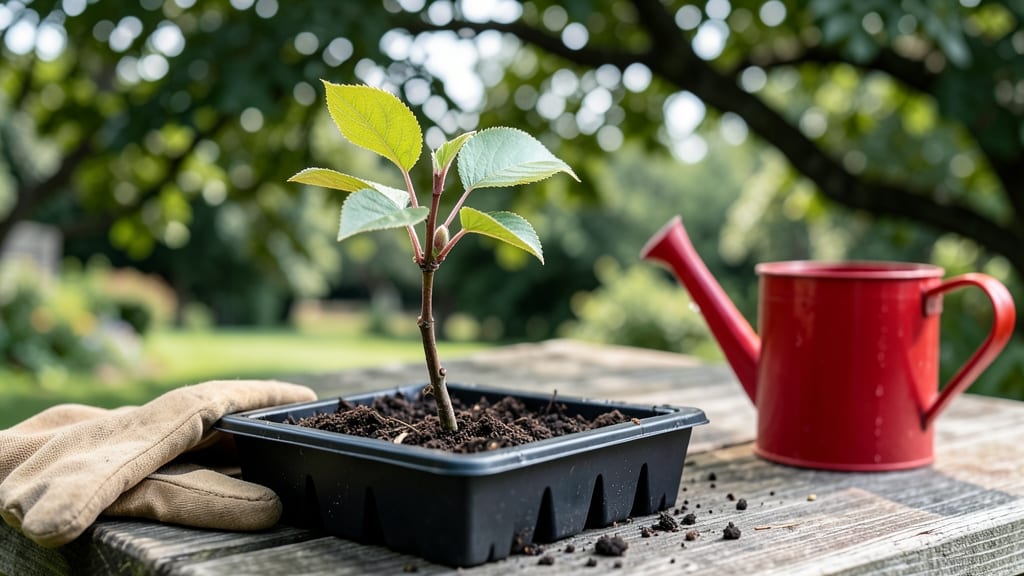
Growing a peach tree from seed takes anywhere from 4 weeks to 6 months—but the variety, care, and a little patience are the keys to success.
Ever wondered if that peach pit you saved from your last summer snack could grow into a tree? The journey from seed to sapling is fascinating—but how long does it really take?
Spoiler: It’s not as fast as you might think, and the variety of peach seed plays a huge role in the timeline.
Most peach seeds need cold stratification (a chilly winter nap) to break dormancy, which is why spring planting often yields the best results. Without this step, seeds can sit in the soil for months—or never sprout at all.
Even with perfect conditions, don’t expect fruit for 3 to 5 years; the real magic happens in the early stages.
In this guide, you’ll learn the exact germination timeline for common varieties, how to speed up the process, and what to watch for when your 🍑 peach seedling finally breaks the surface. Ready to turn that pit into a tree?
Peach seed germination timeline: from seed to sprout in weeks
If you’ve ever cracked open a juicy peach and wondered whether that tiny pit could grow into a tree, you’re not alone. The truth is, peach seed germination isn’t as quick as you might hope—it’s a multi-week process that demands patience and the right conditions.
Unlike fast-sprouting seeds like beans or marigolds, peach pits require cold stratification to break their dormancy, which is why they take 4 to 8 weeks to sprout. This delay isn’t just random; it’s a survival mechanism built into the seed to ensure the tree grows in ideal spring conditions.
Think of it like this: Nature doesn’t want peach trees popping up in the middle of winter. The seed needs to experience cold temperatures (around 35-45°F) for several weeks to mimic the natural winter-spring transition.
Without this step, many seeds will simply rot in the soil or never sprout at all. That’s why gardeners who skip stratification often end up disappointed—only to realize they missed a critical step in the process.
The science behind this timeline is fascinating. Peach seeds contain a chemical called abscisic acid, which acts like a natural brake pedal, preventing the seed from sprouting until conditions are perfect. This chemical breaks down during cold stratification, allowing the seed to absorb water and begin metabolic activity.
Without this process, the seed might sit in your soil for months—or never sprout at all. That’s why I always recommend stratifying seeds indoors in late winter, even if you’re eager to plant them early.
Once your peach pit has completed its cold treatment, the real fun begins. Planting the seed is straightforward, but the soil conditions matter more than you’d think. I’ve learned the hard way that poor drainage or compacted soil can stall germination entirely. The secret?
A mix of 50% potting soil and 50% perlite or sand keeps roots happy and prevents rot. Water lightly after planting—just enough to moisten the soil—and place the pot in a warm, bright location (like a sunny windowsill or under grow lights).
Here’s where many gardeners make their first mistake: expecting sprouts within a few days. The 4-8 week window is critical, and some seeds take longer, especially if they’re older or from a less cold-hardy variety.
During this time, I check soil moisture daily—peach seeds need consistent moisture but will drown if overwatered. A simple trick I use is the finger test: Stick your finger an inch into the soil. If it feels dry, water lightly; if it’s damp, wait another day.
Patience is key here.
By week 4, you might start seeing tiny cracks in the seed coat as the radicle (root) pushes through. This is your first sign of success! Once the root emerges, the shoot will follow within days.
But don’t be discouraged if nothing happens by week 6—some seeds take up to 12 weeks to germinate, especially if they’ve been stored for more than a year. That’s why I always label my seeds with the harvest date; fresher seeds germinate faster and more reliably.
Accelerating the process is possible, but it requires a bit of extra effort. If you’re in a hurry, you can soak the seeds for 24 hours before stratification to jumpstart hydration.
Some gardeners also use a heat mat after sowing to warm the soil, which can shave a week or two off the germination timeline. Just remember: Rushing the process can lead to weak seedlings or even failure, so it’s better to play it safe and follow the natural timeline.
Once your peach seedling finally breaks through the soil, the real journey begins. But that’s a story for another time—right now, you’ve
How peach tree varieties affect growth speed: fastest vs Slowest germinating seeds
Not all peach seeds are created equal—and their germination speed varies dramatically by variety. While some seeds sprout within 4-6 weeks, others take 8-12 weeks or longer, depending on their genetic makeup. This difference isn’t just about luck; it’s rooted in the cultivar’s cold hardiness and natural growing habits.
For example, Elberta peaches, a classic freestone variety, often germinate faster than Redhaven seeds because they’re bred for earlier spring planting. Understanding these differences can save you months of waiting—or disappointment.
The fastest germinating peach seeds typically come from freestone varieties, which are prized for their easy pit removal and reliable fruit production. These seeds often break dormancy in 6-8 weeks when given proper stratification.
On the slower end, clingstone varieties like Suncrest may take 10-12 weeks or more, especially if the seeds are older. The key factor? Seed freshness—seeds harvested in late summer and planted immediately germinate 2-3 weeks faster than those stored for more than a year.
Climate plays a surprisingly big role in germination speed. In warmer climates (Zones 7-9), peach seeds often germinate 1-2 weeks faster because the soil warms up earlier in spring. However, in cooler regions (Zones 5-6), seeds may take longer to break dormancy, even with stratification.
I once tried growing Redhaven seeds in Zone 5 and saw germination stretch to 10 weeks—double the usual time. The solution? Start stratification in early February instead of March to give seeds a head start.
Seed storage also makes a difference. Peach pits left in dry conditions for more than 6 months lose viability, while those stored in a cool, moist environment (like a sealed container in the fridge) can remain viable for up to 2 years.
I’ve had the best luck with seeds stored in a paper towel-lined container with 50% humidity—this mimics natural conditions and keeps them fresh. Always test a few seeds before committing to a full batch; if more than 30% fail to sprout, it’s time to source fresh seeds.
For beginners, I recommend starting with Elberta or Freestone varieties—they’re the most reliable for germination and produce fruit within 3-4 years rather than 5. That said, even the fastest seeds won’t sprout without proper care. Skipping stratification or planting in cold soil can delay germination by 4-6 weeks.
The good news? Once you understand these variety-specific quirks, you can predict germination timelines with surprising accuracy—and turn that peach pit into a thriving tree in record time.
Remember: The fastest germinating seeds aren’t always the best producers. Some slower varieties, like Redhaven, develop stronger root systems early on, leading to healthier trees in the long run. Balance speed with reliability—your future peach harvest depends on it! 🌱