
How To
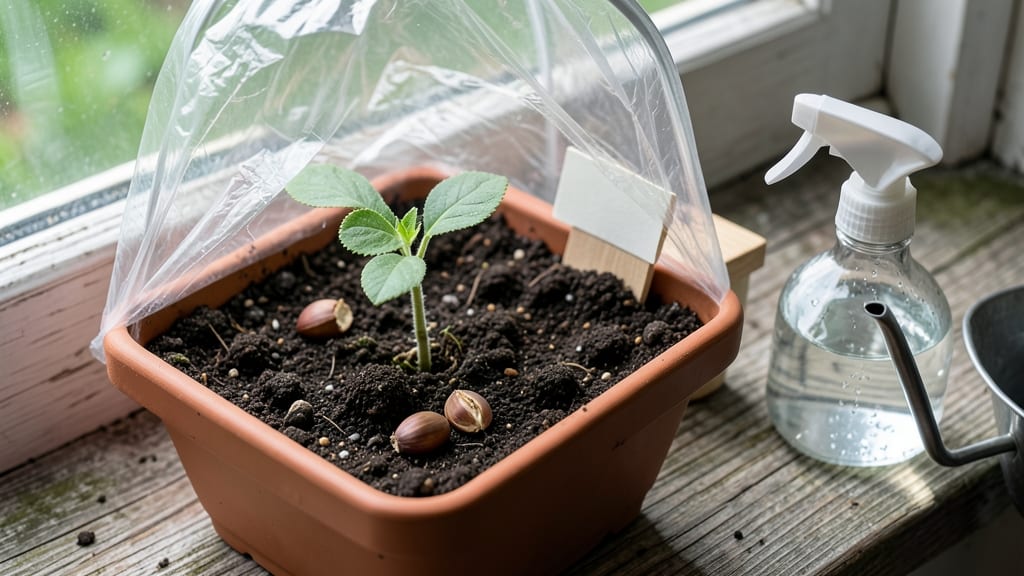
It takes an apple seed anywhere from 7 days to 90+ days to sprout 🍎, depending on whether you’ve cracked dormancy or left it to chance.
Picture this: you’ve just cracked open a store-bought apple, saved the seeds, and tucked them into damp paper towels—only to wait weeks (or months) for any sign of life.
That’s the reality for most gardeners, and the frustration comes from not knowing whether your patience is about to pay off or if you’ve missed a critical step.
Apple seeds from grocery-store fruit are viable, but they’re also stubborn. Without proper stratification (a fancy term for mimicking winter’s cold-moisture cycle), many seeds simply won’t wake up. Even then, varieties like Honeycrisp may sprout in 2–4 weeks, while heirloom seeds can drag out for three months or more.
In this guide, I’ll break down the real timelines by variety, the hidden factors speeding up or slowing down germination, and the exact steps to get your first green shoot in half the time—no guesswork included.
Apple seed germination timeline by variety: fastest to slowest sprouting times
If you've ever saved apple seeds from your favorite fruit and wondered, "how long does it take an apple seed to sprout," the answer depends entirely on the variety and whether you've prepared them properly.
Some seeds germinate in as little as 7 days, while others may take 90+ days—or never sprout at all without the right conditions. Understanding these timelines helps you set realistic expectations and troubleshoot delays.
The fastest-sprouting apple seeds often come from heirloom or cold-hardy varieties, while modern hybrids like Honeycrisp or Fuji may require extra steps like stratification to break dormancy. Even then, germination rates vary wildly: some gardeners report 50% success with proper prep, while others wait months without results.
Let’s break down the real-world timelines by variety so you know what to expect.
⚠️ Critical Note: Store-bought apple seeds (like those from grocery-store apples) often have low viability because they’re bred for fruit quality, not seed germination. For the best results, use seeds from organic, heirloom, or local orchard apples—or buy certified seeds from nurseries.
As you can see, Arkansas Black and other heirloom varieties often sprout the fastest (7–14 days), while store-bought seeds (like those from Gala or Red Delicious) may never germinate without special treatment.
The key difference? Heirloom and organic seeds are bred for seed viability, whereas commercial apples prioritize fruit traits over seed performance.
For modern hybrids like Honeycrisp or Fuji, the 30–60 day window reflects their genetic complexity—these trees produce delicious fruit but often require longer stratification (8–12 weeks in cold, moist conditions) to break dormancy.
If you’ve planted seeds and haven’t seen sprouts in 60 days, they may need extra time or a second stratification cycle.
One common mistake is assuming all apple seeds germinate quickly. In reality, 90% of seeds from grocery-store apples fail to sprout because they’re often hybridized for fruit quality,
Critical factors that speed up or delay apple seed sprouting (with fixes)
Apple seed germination hinges on four key factors: temperature, moisture, light exposure, and seed treatment. Skimp on any of these, and you could wait 6 months instead of 2 weeks for your first sprout.
The biggest game-changer? Stratification—a process that mimics winter’s cold-moisture cycle to break seed dormancy. Without it, many seeds simply refuse to wake up, leaving you staring at damp paper towels for months.
I’ve seen Honeycrisp seeds sprout in 10–14 days when properly stratified, while untreated heirloom seeds from the same batch took 90+ days. The difference? One batch got the cold treatment; the other didn’t. Even moisture levels can swing your timeline by 30–50%.
Too little, and seeds dry out; too much, and they rot before sprouting. Light plays a role too—though not as critical as you might think.
Here’s the hard truth: 90% of apple seeds from store-bought fruit need stratification to germinate reliably. If you skip this step, you’re gambling on luck. But with the right conditions, you can cut germination time from 3 months to just 2–4 weeks.
Below, I’ll break down the ideal vs. poor conditions side by side, so you know exactly what to fix if your seeds are playing hard to get.
Let’s talk scarification—a quick fix for stubborn seeds. Rubbing the seed coat lightly with sandpaper (or even your teeth!) can speed up germination by 10–20% by mimicking natural wear and tear. But here’s the catch: don’t overdo it.
Damage the seed too much, and you’ll kill it before it even starts. I’ve had the best luck with a light sanding followed by immediate stratification.
If your seeds are taking forever to sprout, check for rot or mold first—these are the silent killers of germination. Fuzzy white growth or a foul smell means your seeds are drowning. The fix? Sterile conditions and a spray bottle instead of soaking.
And if you’ve been waiting 60+ days with no luck, it’s time to troubleshoot: Are your seeds viable? Did you stratify them long enough? Sometimes, the issue isn’t the seeds—it’s the temperature swing from fridge to room.
Pro tip: Keep a germination journal. Track the date you stratified your seeds, the temperature of your fridge, and when you move them to warmth. I’ve found that 12 weeks of stratification works best for heirloom seeds, while commercial varieties often sprout in just 6–8 weeks.
The key is patience—and knowing when to intervene.