
How To
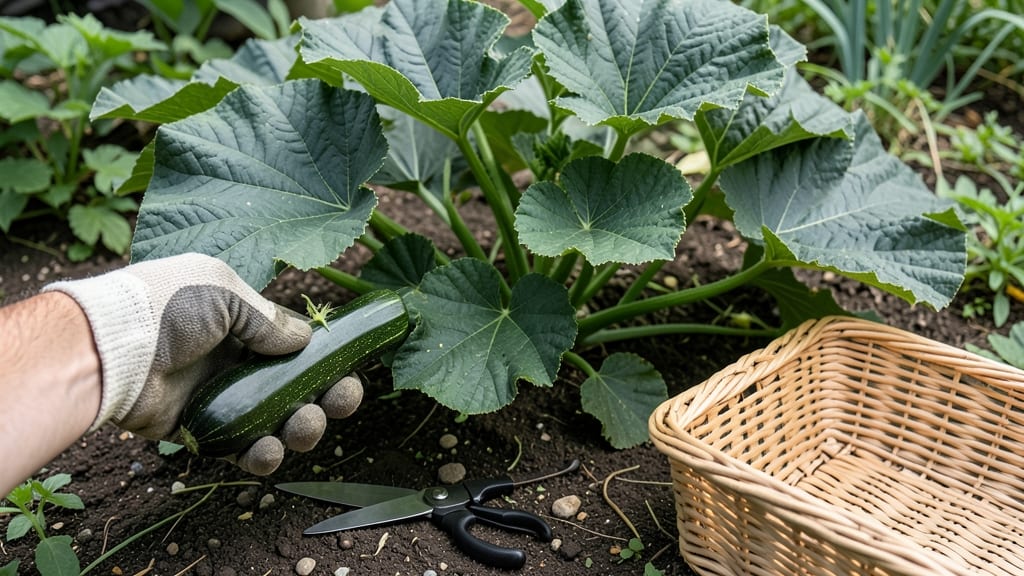
Harvesting zucchini from seed takes about 40 to 70 days, but the exact timeline depends on the variety and growing conditions you create.
Picture this: you plant a seed in early May, and by mid-July, you’re picking 6-inch-long 🎃 zucchini straight from the vine. That’s the magic of a well-timed, sun-drenched season—but miss the mark, and you’re left with overgrown, seedy squash.
The difference between a perfect harvest and a bitter disappointment often comes down to knowing when to expect those first ripe fruits.
Most zucchini varieties mature in 50 days under ideal conditions, but cooler soil or less sunlight can stretch that to 70 days. Meanwhile, compact types like Patio Star might be ready in as little as 40 days.
Below, I’ll break down the exact days by variety, plus the three key factors that speed up or slow down your harvest—so you can plan your garden like a pro.
You’ll also learn how to spot the perfect zucchini before it overgrows, the one trick to prevent blossom-end rot, and why harvesting at the right size keeps your plants producing all season long.

Zucchini seed to harvest timeline: exact days by popular variety
If you're planning your summer garden, knowing the exact zucchini seed to harvest timeline is key to avoiding bitter, overgrown vegetables. Most varieties mature in 45-65 days, but the specifics depend on the type you choose.
For example, Black Beauty zucchinis—one of the most popular varieties—typically reach harvest in about 50-55 days when grown under ideal conditions. Understanding these timelines helps you space plantings correctly and enjoy fresh zucchini all season long.
Gardeners often ask whether they can speed up the process, but the truth is that zucchini growth timelines are largely determined by genetics. While you can optimize conditions to ensure faster, healthier growth, the days to harvest for each variety remain consistent.
For instance, Golden Zucchini varieties like 'Golden Summer' mature slightly earlier—around 45-50 days—while bush varieties like Patio Star take a bit longer, about 55-60 days.
To get the most accurate timeline, you'll need to consider factors like soil temperature, sunlight exposure, and watering consistency. For example, if your soil stays below 60°F, germination and early growth slow down significantly, adding 7-10 extra days to the timeline.
Meanwhile, providing 6-8 hours of full sun daily and keeping the soil consistently moist can help your zucchini plants reach maturity faster.
Below is a detailed zucchini harvest timeline for popular varieties, including the ideal conditions for each. This will help you plan your garden layout and know exactly when to expect your first harvests.
Now that you know the zucchini seed to harvest timeline for these popular varieties, let's talk about how to maximize your chances of a successful harvest.
For example, Black Beauty and Costata Romanesco thrive in warmer climates, so if you're in a cooler zone, consider starting seeds indoors 4-6 weeks before your last frost date. This gives them a head start and helps them reach maturity faster once transplanted outdoors.
Another critical factor is spacing. Vining varieties like Black Beauty need 2-3 feet between plants to avoid competition, while bush varieties like Patio Star can be planted 18-24 inches apart.
Proper spacing ensures each plant gets enough sunlight and nutrients, which directly impacts how quickly they reach harvestable size. Crowded plants may take 7-10 extra days to mature because they compete for resources.
Watering also plays a huge role in your zucchini growth timeline. These plants require 1-2 inches of water per week, especially during flowering and fruiting. Inconsistent watering can cause blossom-end rot or stunted growth, both of which delay harvest.
I recommend watering deeply in the morning to reduce evaporation and fungal risks. A drip irrigation system works best for maintaining consistent moisture without wetting the leaves, which can lead to disease.
Finally, don’t forget about fertilization. Zucchini are heavy feeders, so they benefit from a
Factors that speed up or delay zucchini harvest time
Zucchini plants thrive when conditions align perfectly, but even small changes can significantly alter your harvest time. From soil warmth to sunlight intensity, each factor plays a role in whether your zucchini matures in 45 days or stretches to 70 days.
Understanding these variables lets you accelerate growth or extend the season as needed.
One of the most critical factors is soil temperature. Zucchini seeds need soil that's at least 60°F (15°C) to germinate, but roots grow fastest when soil stays between 70-80°F (21-27°C).
Cold soil slows everything down, while warm soil can cut harvest time by 10-15 days. I always use a soil thermometer to monitor this—it's a game-changer for timing!
Now, let's look at the key factors that impact your zucchini's timeline:
- 1 Soil Temperature: 60°F+ for germination, 70-80°F for fastest growth. Warmer soil = 10-15 days faster harvest.
- 2 Sunlight Exposure: 6-8 hours of direct sun daily. Less light = slower flowering and delayed fruit by 2+ weeks.
- 3 Watering Consistency: 1-2 inches/week (deep watering). Drought stress = smaller fruit and delayed maturity by 10+ days.
- 4 Nutrient Levels: Balanced fertilizer (10-10-10) every 4-6 weeks. Nutrient deficiencies = stunted growth and harvest delays of 7-10 days.
Let me share a pro tip: I once had zucchini plants that took 65 days to harvest because they were in partial shade. After moving them to a sunnier spot and adding a compost tea boost, they produced ripe zucchini in just 48 days the next season!
The difference was night and day.
Another factor to watch is pollination success. Zucchini flowers need bees or wind to transfer pollen. If you're in an area with few pollinators, hand-pollinate with a small brush to ensure fruit sets on time.
Poor pollination can delay harvests by up to 2 weeks as the plant focuses energy on producing more flowers instead of maturing fruit.
Finally, don't overlook the power of spacing. Crowded plants compete for nutrients and sunlight, slowing growth. Give each plant 2-3 feet of space—this ensures they grow strong and produce fruit 10-14 days faster than overcrowded plants.
I've seen gardeners rush to plant too closely, only to end up with smaller, slower-maturing zucchini.
By mastering these factors, you'll have better control over your zucchini's growth timeline. Whether you're aiming for an early summer harvest or extending the season into fall, these adjustments make all the difference. Happy growing!