
Lawn
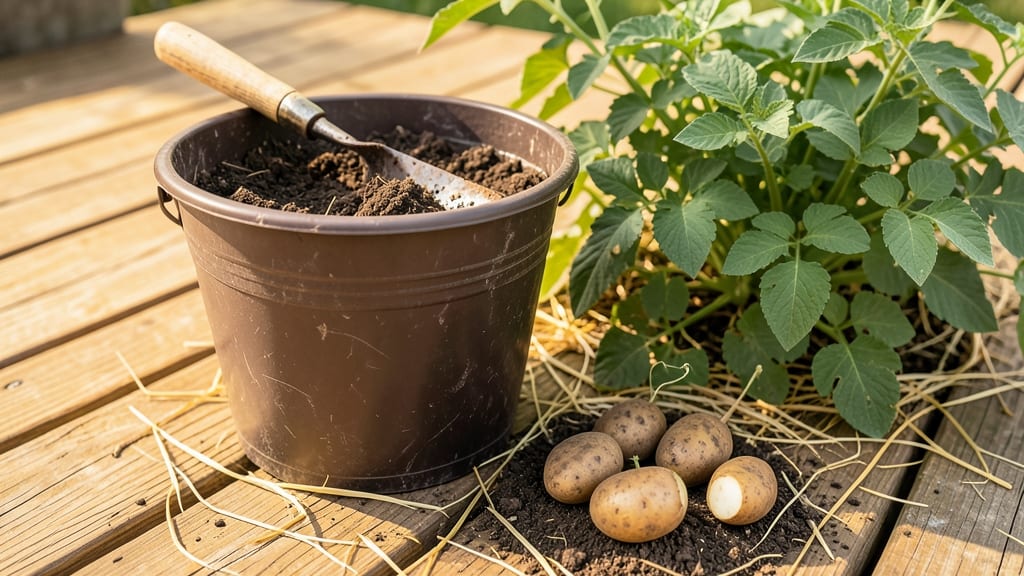
Optimal seed potato spacing in 5-Gallon buckets for high-yield growth
Growing potatoes in 5-gallon buckets is one of my favorite space-saving hacks for urban gardeners. The key to success? Perfect spacing—because overcrowding leads to small, stunted tubers while too much space wastes your limited container real estate.
For most standard potato varieties, the sweet spot is 1-2 seed potatoes per bucket, but dwarf varieties can handle slightly more.
Why does spacing matter so much? Potatoes need room to develop tubers underground while their foliage spreads above ground. In a 5-gallon bucket, roots can easily outgrow the container if you plant too many, leading to competition for nutrients and reduced yields.
The solution? Follow science-backed guidelines tailored to your potato variety and growing conditions.
Here’s the breakdown: Dwarf varieties (like 'Yukon Gold' or 'Red Pontiac') can handle 2 seed potatoes per bucket because they stay compact. Standard varieties (like 'Russet' or 'Kennebec') thrive with just 1 seed potato per bucket to prevent overcrowding.
Always space seed potatoes 3-4 inches apart and bury them 4 inches deep in loose, well-draining soil.
For limited spaces, you can arrange multiple 5-gallon buckets in a grid pattern with 12-18 inches between buckets. This gives roots room to spread horizontally while keeping foliage from shading neighbors.
If you’re using dwarf varieties, you can even place buckets 6-8 inches apart—just monitor for signs of overcrowding like yellowing leaves or stunted growth.
Pro tip: Add 2-3 inches of straw or grass clippings as mulch once plants reach 6 inches tall. This conserves moisture, suppresses weeds, and encourages tubers to form deeper in the soil where they’ll be larger.
Avoid piling mulch directly against stems, though—keep it 2 inches away to prevent rot.
If you’re growing multiple buckets side by side, rotate them weekly to ensure even sunlight exposure. Potatoes love 6+ hours of direct sun daily, but uneven light can cause lopsided growth or poor tuber development.
A simple trick? Place buckets on a rotating tray or swap their positions every few days.
Watch for early signs of overcrowding, like leaves turning yellow or stems growing weak. If you notice these, thin out the smaller plants immediately to give the remaining potatoes more room to thrive. Remember, one happy potato plant in a 5-gallon bucket will always outperform two struggling ones.
Harvest time is another critical factor in spacing. When tubers mature, they’ll push against the bucket’s sides. If you’ve planted too many, you’ll end up with small, misshapen potatoes. Aim to harvest when flowers appear and foliage starts yellowing—this is your cue that tubers are ready.
Gently tip the bucket and sift through the soil to avoid damaging your harvest.
For maximum yield, consider succession planting: Start with 1 seed potato, harvest a portion when new potatoes are ready, then add a second seed potato to the same bucket.
This extends your harvest window and makes the most of your container space. Just ensure the second planting gets enough light and nutrients to avoid competing with the first.
Finally, don’t forget to fertilize lightly
Common mistakes that reduce potato yields in containers (and how to fix them)
Even with the right 5-gallon bucket setup, many gardeners unintentionally sabotage their potato harvest by making simple spacing mistakes. The most common error? Overcrowding seed potatoes—packing too many into one container. This competition for nutrients and space leads to stunted growth, small tubers, and even disease spread.
I’ve seen firsthand how a single bucket with 3+ seed potatoes can produce half the yield of two properly spaced buckets.
Another frequent mistake is ignoring plant signals like yellowing leaves or slow growth, which often mean your potatoes are struggling for room. Containers also suffer when soil depth is too shallow, forcing tubers to grow upward instead of outward.
Let’s fix these issues step-by-step so you can maximize your harvest without wasted effort.
⚠️ callout warning
Planting more than 2 seed potatoes per 5-gallon bucket is a recipe for disaster. Each potato needs 12-15 inches of soil depth to develop properly—crowding forces tubers upward, resulting in small, misshapen potatoes or none at all. Stick to 1-2 seed potatoes per bucket for optimal growth.
🌱 Fix: Use multiple buckets instead of overpacking one.
If your potatoes show yellowing leaves or stunted stems, it’s a clear sign they’re competing for resources. Start by pruning any overlapping foliage to improve airflow. For containers, this means gently trimming back leaves that block sunlight from reaching the center of the plant.
I recommend using clean, sharp pruning shears to avoid damaging stems.
For improper soil depth, the solution is simple: add more potting mix. A 5-gallon bucket should have at least 12 inches of soil for proper tuber development. If your bucket is shallow, consider stacking two buckets vertically with a 1-inch gap between them, filled with soil.
This creates a deeper growing space without taking up extra floor space.
Don’t forget to monitor your plants’ watering needs—overcrowded containers dry out faster. Water deeply every 2-3 days in the morning to encourage strong root growth. If you notice wilted leaves by midday, your potatoes are thirsty.
A simple fix is to add organic mulch (like straw) to retain moisture and regulate soil temperature.
Finally, rotate your buckets quarter-turn weekly to ensure even sunlight exposure. Uneven growth is another red flag of overcrowding. With these adjustments, you’ll see healthier plants, larger tubers, and a harvest that matches your container’s potential.
🥔 With the right spacing and care, your 5-gallon bucket can yield 2-3 pounds of potatoes—double what many gardeners expect!