
How To
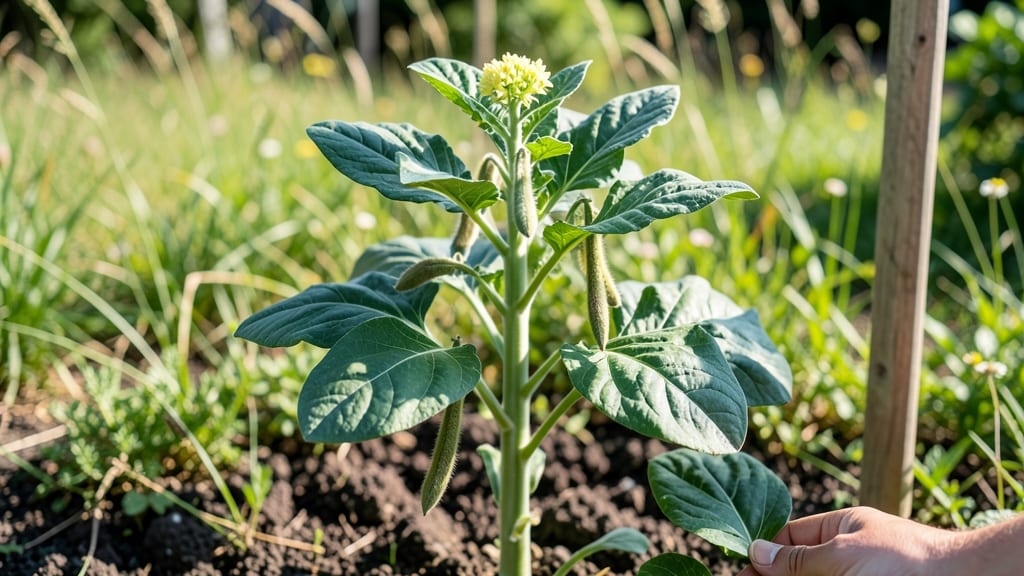
How tall does a mustard seed grow? Depending on the variety and growing conditions, mustard plants can reach anywhere from 1 to 3 feet tall, making them a flexible choice for both small containers and larger garden plots 🌱.
Curious whether your tiny mustard seeds will sprout into towering greens or stay compact? The height of mustard plants varies wildly—from dwarf varieties perfect for containers to giant types that can reach your shoulders—all depending on the variety and growing conditions.
For leafy greens like 'Tendergreen,' you’ll typically see plants stay on the shorter side, around 1 to 1.5 feet, while seed-bearing varieties like 'Southern Giant Curled' can stretch up to 3 feet or more. This difference isn’t just about aesthetics—it also impacts how you’ll harvest and maintain your plants.
Below, I break down the height ranges by variety, how sunlight and spacing affect growth, and which types are best suited for small spaces or larger gardens. You’ll also find tips to encourage the ideal height for your needs—whether that’s a bushy, compact plant or a tall, productive one.


Mustard plant height by variety: dwarf to giant growth ranges
Mustard plants (Brassica juncea and Sinapis alba) are deceptive little seeds—what starts as a tiny sprout can grow into a bushy green giant or stay compact enough for your windowsill. The height difference between varieties is staggering, ranging from 12-inch dwarf greens to 3-foot-tall pod producers.
Whether you’re growing mustard for tender baby leaves or spicy seeds, choosing the right variety ensures your garden stays organized—and your harvest meets your needs.
I’ve grown mustard in everything from 5-gallon containers to full sun garden beds, and the variety makes all the difference. Leafy greens like 'Tendergreen' stay short and bushy, while seed-bearing types like 'Red Giant' shoot up like sunflower stalks.
Below, I’ve broken down the most popular mustard varieties by height, so you can pick the perfect fit for your space—and your taste buds.
📏 Height matters because it directly impacts how you grow mustard. Tall varieties need sturdy stems and room to sprawl, while dwarf types thrive in tight spaces. Even the same species can vary by 18 inches depending on whether you’re harvesting leaves or pods. Let’s dive into the numbers.
If you’re growing mustard for fresh greens, dwarf varieties like 'Tendergreen' and 'Tokyo Bekana' are my top picks. They stay under 18 inches tall and produce tender leaves for weeks without bolting.
These are perfect for container gardening or windowsill setups—just plant them in 5–7 inch pots with well-draining soil.
For seed production, you’ll want taller varieties like 'Red Giant' or 'Southern Giant Curled'. These can reach 3 feet or more and develop thick, woody stalks that hold the mustard seeds.
If you’re growing these in your garden, give them 18–24 inches of space between plants to prevent overcrowding, which can stunt their growth.
Pro tip: Harvest timing affects height. If you pick leaves early, the plant may stay shorter and produce more foliage. Let it mature, and you’ll get those tall, seed-bearing stalks.
I’ve seen 'Red Giant' plants grow 6 inches taller when left to flower compared to when I harvest leaves regularly.
One common mistake I see is assuming all mustard plants are the same height. Leaf varieties stay short, while seed varieties grow tall. If you’re short on space, stick to 'Tendergreen' or 'Tokyo Bekana'.
Need seeds for spice blends? Plant 'Red Giant' in a sunny corner of your garden. The right variety makes all the difference in your mustard harvest.
🌱 Whether you’re a container gardener or have a full sun plot, choosing the right mustard height ensures a bountiful—and manageable—harvest. Next, let’s talk about how sunlight, soil, and spacing can push your mustard plants even taller (or keep them compact).
How growing conditions affect mustard plant height: sunlight, soil, and spacing
Mustard plants thrive under the right conditions, but their height can skyrocket or stay stunted depending on what you provide. Sunlight exposure is the biggest factor—mustards need 6+ hours of full sun daily to reach their full height potential.
Without enough light, they’ll grow leggy and weak, reaching only half their expected height 🌞.
Even if you’ve chosen a tall variety like 'Southern Giant Curled,' poor sunlight will force the plant to stretch upward, creating thin stems that struggle to support themselves. This isn’t just about aesthetics—leggy mustards also produce fewer leaves and weaker seeds.
The good news? You can often correct this by moving plants to a sunnier spot or providing reflective surfaces to bounce light onto them.
⚠️ WARNING: Overcrowding and Poor Soil Stunt Growth Mustard plants need space to grow tall and strong.
When planted too closely, they’ll compete for nutrients and sunlight, resulting in plants that max out at 1 foot tall instead of their full potential. Soil quality matters just as much—mustards prefer well-draining, nutrient-rich soil with a pH between 6.0 and 7.0.
If your soil is compacted or lacks organic matter, roots struggle to absorb nutrients, leading to stunted growth and smaller plants.
For optimal height, space mustard seeds 12-18 inches apart in rows that are 18-24 inches apart. This gives them room to develop strong root systems and reach their mature height.
If you’re growing mustards in containers, choose dwarf varieties and ensure pots are at least 12 inches deep to accommodate their roots.
Another common issue is over-fertilizing with nitrogen, which encourages leafy growth at the expense of height. While mustards need some nitrogen for lush foliage, too much will make them flop over instead of standing tall.
A balanced 10-20-10 fertilizer applied every 4-6 weeks is ideal for promoting healthy, upright growth without excessive leaf production.
If your mustard plants are already leggy, don’t despair! You can still salvage them by pruning the tips to encourage bushier growth. Pinch off the top 1-2 inches of the main stem when plants are about 6 inches tall.
This redirects energy to side shoots, creating a fuller, more compact plant. Just be sure to do this in the morning so the cuts have time to dry before evening moisture sets in.
Finally, remember that mustards are cool-season crops and grow best in temperatures between 50°F and 75°F. If you’re planting in late summer or fall, choose heat-tolerant varieties like 'Red Giant' and provide afternoon shade to prevent bolting (premature flowering), which can stunt height and reduce harvest quality.
With the right conditions, your mustard plants will grow tall, productive, and full of flavor!