
Size
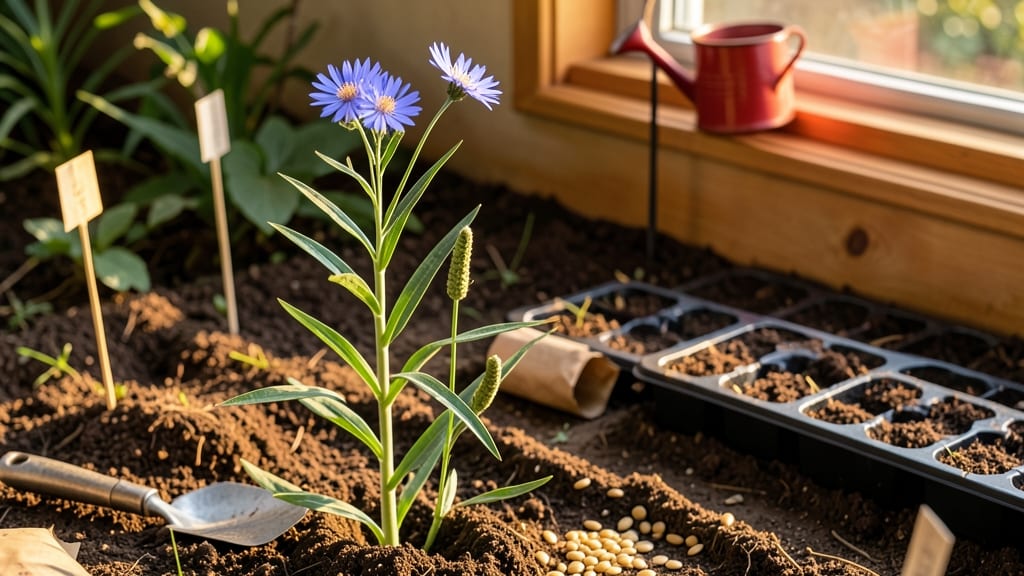
Growing flax seed plants means harvesting seeds that don’t twist and store for years—once you master the 30-day window from flowering to harvest. 🌱 I learned the hard way that flax needs precise timing, or the stems twist and shatter before you can collect seeds.
The right soil, spacing, and moisture make all the difference between a frustrating patch of tangled stems and a bountiful harvest of high-germination seeds.
The secret starts with loose, well-draining soil—flax hates soggy roots. Mix in compost before planting, and space seeds 6 inches apart in rows 12 inches apart. They thrive in full sun, so pick a spot where they’ll get at least 6-8 hours of sunlight daily.
Water lightly but consistently; flax plants are drought-tolerant but won’t forgive neglect once they start flowering.
By midseason, you’ll see delicate blue flowers followed by seed pods. The moment the stems begin to yellow is your cue to harvest—wait any longer, and they’ll twist like overcooked pasta.
Cut the stems, bundle them, and hang them upside down in a dry, airy spot. Within a week, the seeds will rattle free, ready for storage or pressing into oil.
This method works best in temperate climates (zones 3-9), but even in hotter areas, flax adapts if you keep the soil moist during dry spells. The payoff?
Seeds that stay viable for years and stems that yield both fiber and oil—no twisting, no wasted effort. Here’s how to nail every step.
📚 In This Guide
- What you need
- Instructions
- Tips and common mistakes
- Wrapping up and next steps
What you need
- ● Flax seeds: Purchase certified organic or heirloom flax seeds (e.g., Linum usitatissimum). Aim for 1-2 pounds per 100 sq. ft. for optimal spacing.
- ● Well-draining soil: Flax thrives in sandy loam with a pH of 6.0-7.5. Mix in compost or aged manure for fertility.
- ● Sunlight: Full sun (6-8 hours daily) is a must—flax is a sun-worshipper! 🌞
- ● Water: Keep soil evenly moist but not soggy (especially during flowering). A drip irrigation system or watering can works best.
- ● Garden space: Flax grows 2-4 feet tall and needs 6-12 inches between plants for airflow.
- ○ Fertilizer (optional but helpful): A low-nitrogen, balanced fertilizer (5-10-10) at planting time boosts growth.
- ● Garden tools: Trowel, hoe, and pruners for planting and maintenance.
- ● Row marker or string: Helps maintain straight rows for easy harvesting.
- ● Twine or stakes: Supports tall flax plants (especially in windy areas).
- ● Harvesting tools: Sharp scissors or a sickle for cutting seed heads.
- ● Drying rack or mesh bags: Essential for curing seeds (hang in a dry, shaded spot).
- ● Test soil moisture: Stick your finger 1 inch deep—if dry, water gently. Overwatering = floppy plants!
- ● Thin seedlings: Once sprouts are 2 inches tall, thin to 6-12 inches apart for stronger stems.
- ● Watch for pests: Aphids or spider mites? Spray with neem oil if needed.
Step-by-step instructions for growing flax seed plants
Here's how I grow flax plants that produce straight, sturdy stems perfect for easy seed harvesting.
🌱 Step 1: Choose the Right Location and Prepare Soil
Flax thrives in full sun—at least 6-8 hours daily—so pick a spot with no afternoon shade. The soil should be well-draining but moist, so avoid heavy clay. I mix in 1 inch of compost into the top 6 inches of soil to loosen it and add nutrients. Flax has shallow roots, so don't dig deeper than necessary.
Test your soil's moisture by squeezing a handful—it should hold together but not feel soggy. If your soil drains too fast, add a thin layer of mulch after planting to retain moisture without smothering the plants. Flax grows best in cool to moderate temperatures (50-75°F), so avoid planting in heatwaves.
🌱 Step 2: Plant Seeds at the Correct Depth and Spacing
Sow seeds ¼ inch deep and 6 inches apart in rows spaced 12 inches apart. Flax seeds are tiny, so I use a seed tray or scatter them directly into the soil, then lightly cover with a thin layer of fine soil or compost. Press gently to ensure good soil contact—this prevents seeds from washing away during watering.
Thin seedlings to 6 inches apart once they reach 2 inches tall. I use small scissors to snip unwanted plants at soil level rather than pulling, which disturbs the roots of nearby seedlings. This spacing ensures stems grow straight and strong, reducing the risk of twisting later.
☀️ Step 3: Water Consistently Without Overdoing It
Keep the soil evenly moist but never waterlogged—flax hates soggy roots. Water 1 inch per week, more if your area experiences high heat. I water at the base of plants in the early morning to reduce evaporation and fungal risks. Avoid wetting the leaves, as this can promote mildew.
You'll notice the plants growing 1-2 inches per week under ideal conditions. If growth slows, check the soil—it might be drying out too quickly. Mulching helps retain moisture, but don’t pile it against stems. Flax is drought-tolerant once established, but consistent moisture early on ensures strong stems.
✂️ Step 4: Monitor for Pests and Maintain Plant Health
Flax is relatively pest-resistant, but watch for aphids or spider mites, which thrive in dry conditions. I spray plants with water to dislodge pests early on, or use neem oil if infestations appear. Yellowing leaves usually mean overwatering or nutrient deficiency—adjust watering and add compost if needed.
When plants reach 3-4 feet tall, their stems will start to thicken and turn woody. This is your cue to stop fertilizing—too much nitrogen at this stage weakens stems and reduces seed quality. Instead, focus on keeping the soil moist and ensuring full sun exposure.
🌾 Step 5: Harvest Seeds at Peak Maturity
Flax seeds are ready when the stems turn golden-brown and the seed pods begin to split open. I harvest on a dry day by cutting stems with sharp shears, leaving 2 inches of stem attached to the pods. Bundle stems in small groups and hang them upside down in a dry, well-ventilated space for 1-2 weeks to fully dry.
Once dry, gently rub the seed heads to release seeds into a clean container. Store seeds in an airtight jar in a cool, dark place—they’ll keep for 1-2 years if kept dry. Avoid harvesting in damp conditions, as moisture can cause seeds to spoil.
Tips & tricks for perfect flax seed plants
Took me years of trial and error to figure out how to grow flax plants with those straight, sturdy stems everyone raves about. Here's what actually works.
Location and Soil Prep: The 6-8 hours of full sun is non-negotiable—flax won't tolerate shade. I've learned the hard way that even afternoon shade causes stems to lean and twist. For soil prep, focus on that 1 inch of compost in the top 6 inches—it's all about creating a loose, crumbly texture that mimics flax's natural habitat. Think of it like making a perfect cake batter: you want everything light and airy, not dense.
Planting Technique: Those tiny seeds need gentle handling. I've found using a seed tray first gives me better control, especially when covering them with just ¼ inch of soil. Pressing them gently ensures they make contact with moist soil, which is crucial for germination. And when thinning to 6 inches apart, I wait until they're 2 inches tall—any earlier and you risk disturbing their delicate root systems.
Watering Wisdom: The 1 inch per week guideline works perfectly in moderate climates, but I've had to adjust this in both dry and rainy seasons. In heatwaves, I water twice weekly, but always at the base in the morning. The key is consistency—flax plants hate soggy roots but also won't tolerate drying out completely. Think of it like Goldilocks: you want the soil to be just right.
Harvesting Hack: When stems turn golden-brown and those seed pods start splitting, that's your exact moment to harvest. I bundle them in small groups of 5-6 stems and hang them upside down in my garage with a fan running. This 1-2 week drying period is critical—rushing it means damp seeds that won't store properly, while going too long risks them shattering completely. The fan keeps air circulating without creating drafts that could scatter seeds.
Pro Tips for Grow Flax Seed Plants
- Took me years of trial and error to figure out how to grow flax plants with those straight, sturdy stems everyone raves about.
- Location and Soil Prep: The 6-8 hours of full sun is non-negotiable—flax won't tolerate shade.
- Planting Technique: Those tiny seeds need gentle handling.
Frequently asked questions
Got questions about growing flax seed plants? You’re not alone! Here are answers to the most common queries to help you grow thriving flax with confidence.
How long does it take for flax seeds to germinate?
Flax seeds typically sprout within 7–14 days after planting, depending on soil temperature and moisture. For faster germination, maintain soil temps between 60–75°F (15–24°C) and keep the soil consistently moist but not waterlogged. Patience pays off—thin seedlings to 6–12 inches apart once they reach 2–3 inches tall!
Can flax plants survive cold weather?
Flax is a cool-season crop and can handle light frost, but it thrives best in temperatures between 50–75°F (10–24°C). Plant seeds in early spring or late summer for optimal growth. If frost threatens after planting, cover seedlings with row fabric until they’re established. Avoid planting in hot, dry climates—flax prefers consistent moisture!
What can I do if my flax plants bolt too early?
Bolting (premature flowering) often happens due to heat stress or long daylight exposure. To delay bolting:
- Plant in early spring or late summer to avoid peak heat.
- Use shade cloth during hot afternoons if needed.
- Choose short-day varieties if you’re in a warm climate.
Are there any companion plants for flax?
Flax grows best with low-competition companions like:
- Beans or peas (fix nitrogen in the soil).
- Carrots or lettuce (shallow roots won’t disturb flax).
Why are my flax plants turning yellow?
Yellowing leaves (chlorosis) usually signals nutrient deficiencies or overwatering. Check these fixes:
- Nitrogen deficiency: Add compost or a balanced fertilizer.
- Iron deficiency: Sprinkle iron sulfate or use chelated iron.
- Overwatering: Let soil dry slightly between waterings.
- Fungal issues: Improve airflow and avoid wet foliage.
Wrapping up and next steps
Growing flax seed plants is a rewarding journey that yields nutrient-rich seeds and lush fibers—all with minimal fuss! By following the right steps—from soil prep to harvesting—you’ll enjoy a twist-free, high-germination harvest.
Whether you’re a beginner or seasoned gardener, flax thrives with patience and care, making it a fantastic addition to your garden.
Ready to harvest your bounty? Start small, experiment with varieties, and soon you’ll be reaping seeds for homemade flaxseed oil or fiber crafts. Happy growing! 🌱✨