
Propagation
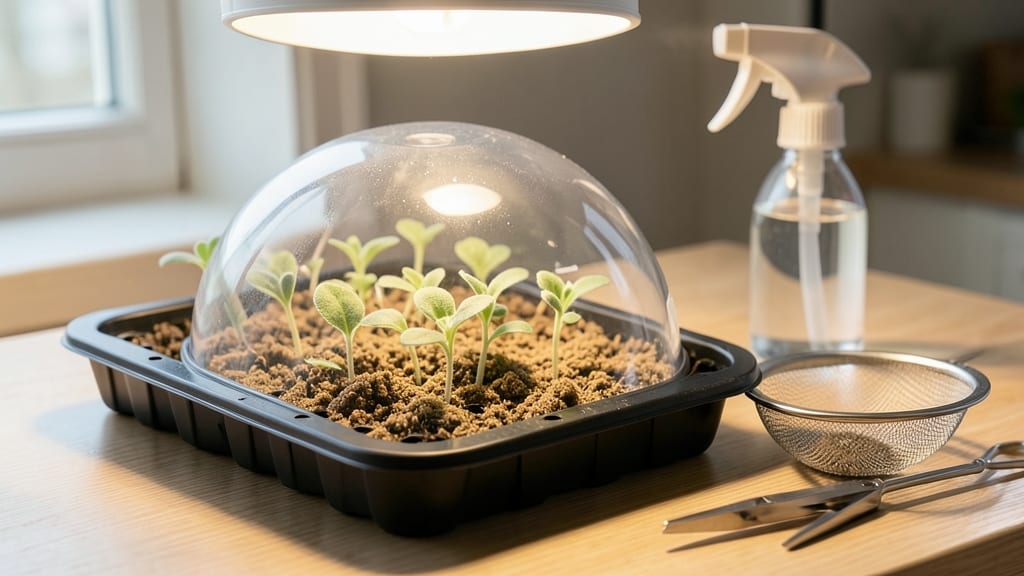
Growing forget-me-nots from seed indoors rewards you with delicate blue blooms that look like tiny masterpieces. 💙 The key is patience—these seeds take 4-6 weeks to germinate, but once they sprout, they’ll reward you with months of cheerful flowers in pots or gardens.
I’ve learned that treating them like finicky divas (they’re not) makes all the difference.
Start with a shallow tray of moistened seed-starting mix—just damp, not soggy—and scatter those tiny seeds on top. Forget-me-nots need consistent moisture and cool temperatures (60-65°F) to break dormancy.
A clear plastic dome or plastic bag creates a mini greenhouse effect, but don’t let them sit in darkness—bright, indirect light is critical from day one.
When the first true leaves appear (not just the initial seed leaves), you’ll know they’re ready to stretch toward the light. Transplant them into individual pots when they’re about 1 inch tall, and expect blooms in 8-10 weeks if you keep them cool and well-lit.
The secret? Less is more—overwatering or heat stress will send them into a sulk.
These little flowers thrive in partial shade once outdoors, making them perfect for shady garden corners or woodland-style containers. If you want a repeat display, deadhead spent blooms—though they self-seed readily, so you might end up with volunteers popping up everywhere next spring.
📚 In This Guide
- What you need
- Instructions
- Tips and common mistakes
- Wrapping up and next steps
What you need
- ● Forget-me-not seeds: A packet of fresh, high-quality seeds (look for Myosotis species like M. sylvatica or M. scorpioides). Aim for 10–20 seeds to start.
- ● Seed-starting trays or small pots: 2–4 2–3 inch diameter pots or a seed tray with individual cells (forget-me-nots don’t like being crowded).
- ● Seed-starting mix: A lightweight, sterile potting mix designed for seeds (avoid garden soil—it’s too dense!). A 50/50 blend of peat moss and perlite works well.
- ● Grow lights or a sunny windowsill: Forget-me-nots need 12–16 hours of light daily. A full-spectrum LED grow light (or a south-facing window) is ideal.
- ● Plastic wrap or a humidity dome: To keep moisture in while seeds germinate (a clear plastic bag or a store-bought humidity cover works).
- ● Spray bottle: For gentle watering—avoid soaking the soil.
- ○ Small fan (optional but helpful): A low-speed fan (like a desk fan on its lowest setting) to encourage strong seedlings by mimicking wind.
- ● A heating mat (set to 70–75°F) to speed up germination.
- ● Fertilizer: A balanced, water-soluble fertilizer (like 10-10-10) diluted to half-strength for young seedlings.
- ● Tweezers: For carefully placing tiny seeds.
- ● Label markers: To track planting dates (forget-me-nots can take 2–4 weeks to germinate!).
Step-by-Step instructions for growing forget-me-nots indoors
These delicate blooms thrive with patience and gentle care—here's how to coax them from seed to windowsill beauty.
🌱 Step 1: Prepare Seed Trays and Light Soil Mix
Fill a clean seed tray with a sterile seed-starting mix—never garden soil, which can harbor diseases that kill delicate forget-me-not seedlings. I like to blend my mix with 20% perlite for extra drainage, since these tiny plants hate soggy roots. Moisten the mix until it feels like a wrung-out sponge: damp but not dripping. Forget-me-not seeds are so small they barely register on the scale, so I press them lightly into the surface rather than burying them.
Use a toothpick to create tiny furrows about ⅛ inch deep—just enough to cradle the seeds without smothering them. I tap the toothpick gently to release one seed at a time (planting too many in one spot leads to weak, crowded seedlings). Forget-me-nots need light to germinate, so don't cover them with soil—just press them into the moist surface and mist lightly with water.
💧 Step 2: Create Humidity and Warmth for Germination
Cover the tray with a clear plastic dome or plastic wrap to trap warmth and moisture—these seeds need 70-75°F soil temperatures to sprout reliably. I place the tray on a seedling heat mat (set to 75°F) under a grow light on a 14-hour daily cycle. Without bottom heat, germination can take 3-4 weeks instead of the 10-14 days I see with proper warmth.
Check the tray daily but resist watering until condensation forms on the dome—this tells me the humidity level is perfect. Once condensation appears, I remove the dome for 10 minutes daily to prevent fungal growth. Forget-me-not seedlings are particularly vulnerable to damping-off, so I avoid overhead watering until the first true leaves appear.
☀️ Step 3: Provide Gentle Light and Prevent Leggy Growth
As soon as seedlings emerge, move them to bright, indirect light—a south-facing window works if it's not scorching hot. Forget-me-nots stretch toward light aggressively (called "leggy" growth) when they don't get enough. You'll know your light is right when seedlings develop compact stems with deep green leaves spaced ½ inch apart. If they grow tall and spindly with leaves spaced 1 inch apart, your light is too far away.
I use a full-spectrum LED grow light positioned 3-4 inches above the plants for 14-16 hours daily. Rotate the tray a quarter turn every 2 days so seedlings grow straight instead of leaning toward the light. Once they develop 2-3 sets of true leaves (about 4-6 weeks after sowing), they're ready for their first true leaves appear.
🪴 Step 4: Transplant to Individual Pots for Stronger Roots
Forget-me-nots dislike being crowded, so I transplant seedlings to 2-inch pots when they're about 1 inch tall. Use the same light soil mix and fill pots to ½ inch from the rim. Gently tease apart roots if seedlings are touching, but don't disturb them more than necessary—they're fragile at this stage. Water lightly after transplanting to settle the soil around the roots.
Place the pots in a shady spot for 3-4 days to reduce transplant shock. After that, gradually introduce them to morning sun (they tolerate 3-4 hours of direct sun daily once established). I fertilize lightly with a balanced liquid fertilizer (10-10-10) diluted to half strength every 2 weeks—forget-me-nots are light feeders and over-fertilizing leads to weak stems and fewer blooms.
⏰ Step 5: Encourage Blooming with Proper Care
Forget-me-nots typically bloom 8-10 weeks after sowing, but patience pays off—these are slow growers that reward careful gardeners. Pinch back the first flowers that appear to encourage bushier growth (this is called "deadheading" even though you're not removing dead blooms yet). Once the plant has 6-8 sets of leaves, you can let flowers develop.
Water at the base of the plant in the morning to prevent fungal diseases. These windowsill bloomers love cool temperatures (60-70°F) and will reward you with blue, pink, or white flowers that last 2-3 weeks per bloom cycle. To prolong flowering, remove spent blooms immediately—they'll produce new flowers within 3-4 weeks.
Tips & tricks for growing forget-me-nots indoors
Took me a while to figure these out, so here's how I make growing forget-me-nots foolproof every time.
Soil Mix Precision: Forget-me-nots are sensitive to soil composition, so I always sterilize my seed-starting mix by baking it in the oven at 200°F for 30 minutes before use. This kills any lurking pathogens that could cause damping-off. For the 20% perlite blend, I measure perlite by volume—not weight—since it's lighter than soil. Too much perlite can dry out the mix too quickly, while too little defeats the drainage purpose.
Seed Placement Secret: In Step 1, when creating those ⅛-inch furrows, I find using a sterilized toothpick works best—regular toothpicks can harbor bacteria. To avoid overcrowding, I plant seeds about ¼ inch apart in the furrows. Forget-me-not seeds are so tiny that one toothpick can release multiple seeds at once, so I practice on scrap paper first to get the rhythm right. This spacing gives seedlings room to grow without competing for nutrients.
Germination Environment: The 70-75°F soil temperature range in Step 2 is non-negotiable for reliable germination. I've found that placing the seed tray on a seedling heat mat set to 75°F under a grow light on a 14-hour cycle creates the perfect conditions. If you don't have a heat mat, try placing the tray on top of your refrigerator (which stays cool but provides consistent warmth). The key is maintaining that humidity dome until condensation appears—this tells me the environment is perfect for germination.
Light Management: When your seedlings develop those 2-3 sets of true leaves in Step 3, they're ready for their first true leaves appear. At this stage, I switch to a 16-hour grow light cycle to prevent leggy growth. The 3-4 inch distance from plants to light is crucial—any closer and you risk burning the delicate seedlings. I also rotate the tray every 2 days to ensure even growth, which prevents the plants from leaning toward one light source.
Pro Tips for Grow Forget Me Nots From Seed Indoors
- Took me a while to figure these out, so here's how I make growing forget-me-nots foolproof every time.
- Soil Mix Precision: Forget-me-nots are sensitive to soil composition, so I always sterilize my seed-starting mix by baking it in the oven at 200°F for 30 minutes before use.
- Seed Placement Secret: In Step 1, when creating those ⅛-inch furrows, I find using a sterilized toothpick works best—regular toothpicks can harbor bacteria.
Frequently asked questions
about growing forget-me-nots from seed indoors—because even the smallest blooms deserve a little extra care!How long does it take for forget-me-not seeds to germinate indoors?
Patience is key! Forget-me-not seeds typically germinate in 14–28 days when kept in a warm, moist environment (around 65–75°F). Ensure your seed-starting mix stays consistently damp—not soggy—and avoid disturbing them until sprouts appear. If germination takes longer, check for consistent moisture and proper light (bright but indirect).
Can I grow forget-me-nots from seed indoors year-round?
Yes, but timing matters! Start seeds 8–10 weeks before your last frost date for spring blooms. If you’re in a warm climate, you can sow seeds in early fall for winter/early spring flowers. Forget-me-nots are cool-season plants, so avoid starting them too early—they may bolt (flower prematurely) if exposed to heat.
Why are my forget-me-not seedlings turning yellow or leggy?
Leggy or yellow seedlings usually signal too little light or overcrowding. Move your tray to a sunnier spot (a south-facing window or under grow lights) and thin seedlings to 1 inch apart once they have 2–3 true leaves. If yellowing persists, check for overwatering—forget-me-nots prefer moist but well-draining soil.
Are forget-me-nots hard to grow from seed?
Not at all! While they’re slow to germinate, they’re beginner-friendly once sprouted. The biggest challenges are patience (waiting for germination) and consistent moisture. With the right setup—warmth, light, and gentle care—you’ll soon have delicate blue blooms brightening your windowsill! For faster results, try soaking seeds overnight before planting.
Can I transplant forget-me-nots grown indoors directly into the garden?
Once seedlings have 4–6 true leaves and hardened off (acclimated to outdoor conditions for 7–10 days), they’re ready for the garden. Choose a partially shaded spot with moist, well-draining soil. Space plants 9–12 inches apart to prevent overcrowding. Mulch lightly to retain moisture—these blooms love consistent humidity!
Wrapping up and next steps
Growing forget-me-nots from seed indoors is a rewarding journey that brings delicate, cheerful blooms to your windowsill with just a little patience and care. 🌱 By following these steps—from selecting the right seeds to providing proper light and moisture—you’ll soon enjoy a cascade of tiny blue (or pink!) flowers that symbolize true love and enduring memories.
Once your seedlings are thriving, consider transplanting them outdoors in cooler months for a stunning garden display!
Ready to dive in? Start by gathering your supplies and planting those seeds—your future blooms will thank you! 💙