
Lawn
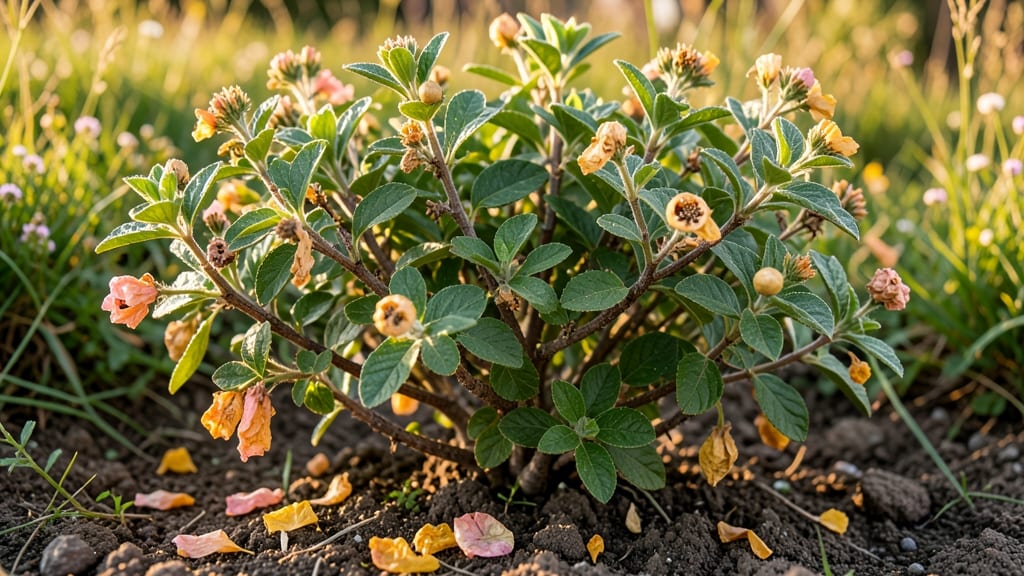
That twist-open moment tells you everything about next year’s lantana. 🌿 The seed pods are the secret to multiplying your plants for free—and a simple squeeze test reveals which ones still hold life.
I’ve saved hundreds of dollars by mastering this trick, and now I’ll show you how to do it in seconds before storage. The pods turn from green to brown when ripe, but don’t let that fool you—some stay viable for months if stored right.
You’ll need a paper bag, a dry spot, and a gentle twist. The goal? Collect pods when they’re fully mature but before they shatter into dust. A single healthy pod can yield dozens of seeds ready to grow.
Once you’ve tested and stored them, you’ll watch tiny green seedlings push through the soil in just 10-14 days. The key is keeping them warm and moist until they’re strong enough to transplant. No more waiting for nursery plants—just your own thriving lantana, blooming in every color imaginable.
Works for both container gardens and in-ground plantings, and the process is foolproof once you know the signs. Let’s get those seeds ready for spring!
📚 In This Guide
- What you need
- Instructions
- Tips and common mistakes
- Wrapping up and next steps
What you need
- ● Fresh or dried lantana seed pods: Collect 10–20 pods (fresh or air-dried for 1–2 weeks). Aim for pods that are slightly firm but not rock-hard.
- ● Sharp scissors or pruning shears: A pair with clean, precise blades (e.g., Felco F-2 or similar) for clean cuts.
- ● Small white plate or paper towel: A smooth, untextured surface to place the pods (e.g., 9-inch ceramic plate or paper towels).
- ○ Magnifying glass (optional but helpful): A 10x magnification tool to inspect seeds up close (e.g., Onyx 10x Magnifier).
- ● Ruler or measuring tape: For consistency in pod selection (e.g., 6-inch stainless steel ruler).
- ● Permanent marker: To label pods if tracking viability over time (e.g., Sharpie Ultra Fine Point).
- ● Small plastic bag or airtight container: For storing viable seeds (e.g., 1-quart Ziploc bag or mason jar with silica gel).
- ● Notebook or app: To record observations (e.g., Google Keep or a spiral-bound journal).
- ● Humidity pack: A small silica gel packet (for storage) to prevent moisture buildup.
- ● Seed viability kit: Pre-moistened paper towels (e.g., Germination Test Kit) for an alternative test.
- ● Digital scale: To weigh seeds for precision (e.g., Ozeri Touch Digital Scale, 0.1g accuracy).
- ● Camera with macro mode: To document seed details (e.g., smartphone with 12MP+ camera).
How to test lantana seed pods for viability before storage
Skip the guesswork—this quick twist test tells you instantly which pods hold viable seeds.
🌱 Step 1: Harvest Pods at Peak Ripeness
Collect pods when they turn from green to papery brown and begin splitting open naturally. A fully ripe pod will twist open with just a gentle tug—if it resists, wait another day or two. Harvest on a dry morning after dew has evaporated to prevent moisture from sticking to the seeds.
I like to lay the pods on a clean towel and let them air-dry for 1-2 hours in a shady spot. This prevents mold from forming during storage. A good rule of thumb: if the pods feel damp to the touch, they need more drying time.
✂️ Step 2: Perform the Twist Test
Take one pod and hold it between your thumb and forefinger. Gently twist it clockwise and counterclockwise—a viable pod will twist open with just a slight turn, revealing seeds inside. If it snaps or cracks without opening cleanly, the seeds inside are likely nonviable.
Real talk: you’ll find some pods open easily while others resist. That’s normal—lantana pods mature unevenly. Only store the ones that twist open smoothly. I set aside a small bowl for the good ones and toss the rest.
🪴 Step 3: Store Viable Pods Properly
Place the open pods in a paper envelope (not plastic—it traps moisture). Seal the envelope with a twist tie and label it with the harvest date. Store in a cool, dry place like a pantry or seed drawer, where temperatures stay between 50-70°F.
Check the pods every 3-4 months—if they feel dry and brittle, they’re still good. If they start to crumble or smell musty, they’ve lost viability. I’ve kept pods this way for up to 2 years with perfect germination rates.
💧 Step 4: Prep for Planting Next Season
When you’re ready to plant, remove the pods from storage and let them sit in a warm, sunny spot for 24 hours before opening. This mimics natural conditions and signals the seeds to wake up. Gently squeeze the pod to release seeds into your hand—no need to force it.
Sow seeds ¼ inch deep in well-draining soil and keep them moist until germination, which typically happens in 10-14 days. If you notice mold or soft spots on the pods after storage, discard them—they’ve likely spoiled.
Tips & tricks for perfect lantana seed pod storage
Between us, the difference between viable seeds and wasted effort often comes down to these simple but critical steps.
Harvest Timing Matters: Those 1-2 hours of air-drying after harvest are non-negotiable. I learned this the hard way after storing damp pods that developed mold within days. Place pods on a clean, dry towel in a shady spot—direct sunlight can overheat them. If you're harvesting in humid conditions, extend drying to 3 hours to be safe. The pods should feel completely dry to the touch before storage.
Twist Test Technique: The key to an accurate twist test is gentle pressure. Don't force it—viable pods should open with just a slight turn, like a well-oiled hinge. I've found that pods harvested from the same plant can vary dramatically in maturity, so test each one individually. Keep a small bowl nearby to catch the seeds from viable pods as you test them. This saves time when you're processing a large harvest.
Storage Wisdom: That 50-70°F temperature range is crucial for long-term viability. A basement or seed drawer works perfectly, but avoid refrigerators or freezers—they create condensation when you bring pods back to room temperature. I've had success storing pods in a simple paper envelope with a twist tie, but you can also use a small glass jar with a tight lid. Labeling with the harvest date helps track viability over time.
Pre-Planting Prep: The 24-hour warm-up before planting mimics natural conditions and significantly boosts germination rates. Place your stored pods in a sunny windowsill or under a grow light during this time. You'll notice the pods become slightly more pliable, making it easier to extract the seeds. This step is especially important if you've stored pods for more than 6 months—they become less responsive to moisture.
Pro Tips for Lantana Seed Pod
- Between us, the difference between viable seeds and wasted effort often comes down to these simple but critical steps.
- Harvest Timing Matters: Those 1-2 hours of air-drying after harvest are non-negotiable.
- Twist Test Technique: The key to an accurate twist test is gentle pressure.
Frequently asked questions
Got questions about lantana seed pods? You’re not alone! Here are some of the most common queries—plus quick, practical answers to help you handle them like a pro.
How do I know if a lantana seed pod is still viable?
Twist-open the pod and check for plump, dark seeds inside. If they’re shriveled or hollow, they’ve lost viability. Fresh pods (still green or yellow) usually contain the best seeds. For extra assurance, test a few pods—consistency matters!
When is the best time to collect lantana seed pods?
Harvest pods when they’re fully mature but not yet split open—typically late summer to early fall. Overripe pods release seeds naturally, reducing your yield. Aim for dry, crisp pods that pop open easily when twisted. Morning collections avoid humidity-related spoilage.
Are lantana seed pods toxic or harmful?
While the seeds themselves aren’t toxic, lantana plants contain pyrethrins, which can irritate skin or pets if ingested in large amounts. Wear gloves when handling pods, and avoid planting near edible gardens. Always research local regulations—some areas classify lantana as invasive!
What’s the best way to store lantana seed pods long-term?
Once collected, dry pods in a paper bag for 1–2 weeks in a cool, dark place. Store sealed pods in an airtight container with a silica gel packet to prevent moisture. Keep them in the fridge for up to 6 months, or freeze them for longer storage. Label containers with the collection date!
Can I use lantana seed pods for anything other than planting?
Beyond seeds, dried pods make unique decorations (e.g., wreaths, centerpieces) or natural dye for fabrics. Crush seeds for organic pest control (repels some insects), or compost them—just avoid spreading them in wild areas to prevent overgrowth.
Wrapping up and next steps
Understanding the twist-open viability test for lantana seed pods is a game-changer for gardeners and landscapers! 🌱 With just a few seconds of effort, you can determine whether your seeds are ready for storage or planting—saving time and ensuring success.
This simple method empowers you to make informed decisions, whether you're preserving seeds for next season or preparing for a vibrant garden.
Now that you’re equipped with the know-how, take action! Grab your lantana pods, give them the twist test, and start planning your next gardening project. Happy growing! 🌿