
Lawn
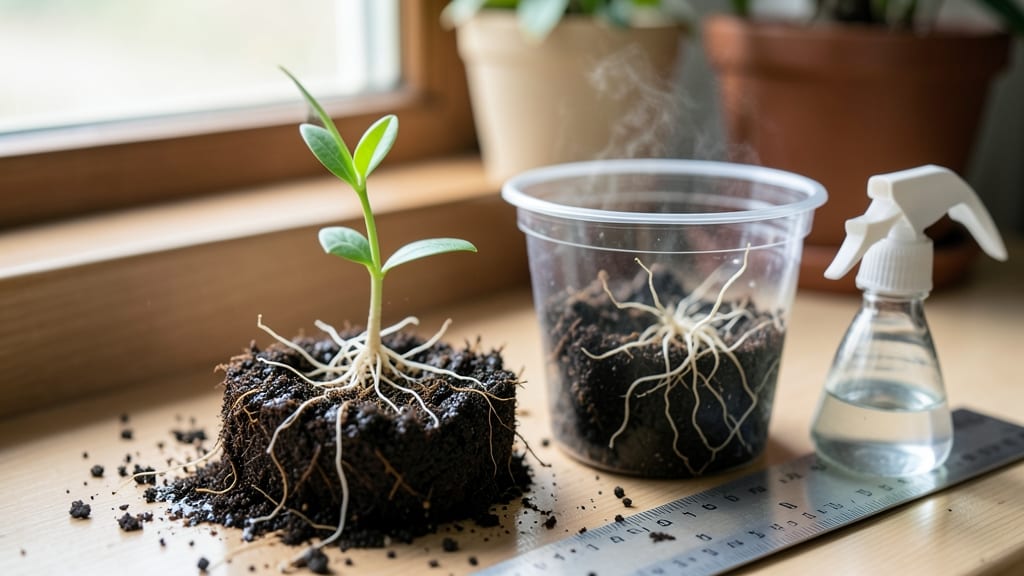
That mango pit in your fruit bowl has more potential than you think. 🌱 The mango seed root viability test is the first step to growing a tropical tree from zero waste—no fancy equipment, just patience and a sunny spot.
I’ve turned grocery-store scraps into thriving seedlings this way, and you can too. Start with a fresh seed: scrape off the flesh, let it dry for a day, then soak it overnight.
The key is planting it at a 45-degree angle in moist potting mix, leaving just the top third exposed. Roots should appear in 2-4 weeks if the seed’s viable—and no twisting means no stress on the young stem.
By the time you see those first roots, you’ll have a 3-inch-tall seedling ready for its own pot. Keep it in bright indirect light, water when the top inch of soil feels dry, and watch it grow into a real tree. The twist-free test saves you time and heartache.
This method works indoors or outdoors, in pots or even a shallow tray. Just remember: tropical plants need warmth and humidity to thrive. Let’s get that mango growing!
📚 In This Guide
- What you need
- Instructions
- Tips and common mistakes
- Wrapping up and next steps
What you need
- ● Mango seeds: 1–2 fresh, plump seeds (harvested from a ripe, organic mango for best results). Pro tip: 💡 Avoid seeds from store-bought mangoes treated with fungicides.
- ● Small pots or containers: 2–3 (4–6 inches in diameter) with drainage holes. Options: Plastic nursery pots, yogurt cups, or even egg cartons!
- ● Well-draining potting mix: 2–3 cups of a lightweight blend (50% coconut coir, 30% perlite, 20% compost). Skip the garden soil—it’s too dense!
- ● Spray bottle: 1 (for gentle watering). Why? Overwatering is the #1 killer of tiny seedlings!
- ● Plastic wrap or humidity dome: 1 sheet (to retain moisture during germination). DIY hack: A clear Ziploc bag works too!
- ● Scissors or knife: 1 (for trimming seeds if needed).
- ○ Seed viability test kit: 1 (optional but fun—tests if your seed will sprout before planting!).
- ● Grow lights or sunny windowsill: Access to indirect sunlight (6+ hours/day) or a small LED grow light.
- ● Humidity tray: 1 (a shallow tray with pebbles and water to boost moisture levels).
- ● Plant labels: 2–3 (to track your seeds’ progress!).
- ● Fertilizer (balanced, water-soluble): 1 small bottle (for when your seedling is 3–4 inches tall).
- ● Patience: Germination can take 2–6 weeks—don’t rush it!
- ● Warmth: Ideal temps: 70–85°F (21–29°C). A sunny windowsill or heat mat helps.
- ● Consistency: Keep soil moist but not soggy (think damp sponge, not dripping wet).
Step-by-step instructions for testing and growing mango seeds
Here’s how to test your mango pit for viability—and grow it into a thriving seedling.
🌱 Step 1: Extract and Clean the Seed
Start by carefully removing the seed from the pit using a knife or spoon—avoid damaging the hard shell. Rinse it under cool water to remove any remaining fruit residue. The goal is to expose the seed without cracking it, as even a small nick can invite rot. I like to use a paper towel to gently dry the seed completely before moving forward.
Inspect the seed for any soft spots or mold—if you see either, the seed is likely nonviable. Healthy seeds feel firm and smooth to the touch. Store it in a cool, dry place until you’re ready to test its viability, which can take a few days to a week.
💧 Step 2: Perform the Twist Test for Viability
This is the moment that matters: hold the seed firmly between your palms and twist gently but firmly. A viable seed will twist slightly but resist breaking—it should feel sturdy, like a small nut. If the seed splits or crumbles under pressure, it’s not worth planting. I’ve found that seeds from fully ripe mangoes pass this test most reliably.
Once you confirm viability, place the seed in a small container with damp paper towels or a damp cloth. Fold the towels around the seed so it’s snug but not compressed. Store the container in a warm spot, like on top of your fridge or near a sunny window. Check the moisture every few days—it should stay damp, not soggy.
☀️ Step 3: Wait for Germination
Germination can take anywhere from 2-4 weeks, depending on the seed’s age and your home’s warmth. You’ll know it’s working when you see a tiny white root—about ½ inch long4 weeks, the seed likely won’t sprout.
Once the root is visible, carefully plant the seed in a small pot filled with well-draining potting mix. Bury it just enough to cover the root and half the seed itself. Water lightly but avoid oversaturating the soil. Place the pot in bright, indirect light—direct sun can stress the delicate seedling.
🌿 Step 4: Care for the Seedling
Keep the soil consistently moist but not waterlogged. A good rule of thumb is to water when the top inch of soil feels dry to the touch. Overwatering is the biggest mistake here—it causes root rot and kills young seedlings. I use a spray bottle for gentle watering to avoid disturbing the soil around the seed.
After the first true leaves appear—usually within 4-6 weeks—you can gradually introduce more sunlight. Start with 2-3 hours of morning sun daily and increase exposure over time. Watch for leggy growth, which means the seedling needs more light. If the stem stretches too tall, move it closer to the light source.
⏰ Step 5: Transplant and Long-Term Care
Once the seedling reaches 6-8 inches tall with several leaves, it’s ready for a larger pot or outdoor planting (if temperatures stay above 55°F). Choose a pot with drainage holes and fill it with a mix of potting soil and perlite for aeration. Transplant carefully to avoid damaging the roots—gently squeeze the pot to loosen the soil ball before removing it.
Mango seedlings grow slowly and may take years to bear fruit, but the journey is rewarding. Keep the soil moist, fertilize lightly every 2 months with a balanced fertilizer, and protect it from frost. With patience, your twist-tested seed could grow into a stunning tropical tree!
Tips & tricks for growing mango seedlings
Here's what I've learned from growing mango seedlings that actually thrive—no guesswork involved.
Selection Matters: Always choose seeds from fully ripe mangoes—they're more likely to pass the twist test and germinate successfully. I've found that tropical varieties like 'Haden' or 'Kent' produce seeds that germinate more reliably than smaller, firmer mango types. The seed's size doesn't matter as much as its firmness and lack of soft spots.
Germination Environment: Create a mini greenhouse effect by placing a plastic bag loosely over your damp paper towel setup—this traps moisture and warmth. I use a clear plastic bag with holes punched in the sides to allow some airflow. Keep it in a warm spot (around 70-75°F) for optimal germination. The bag helps maintain consistent moisture levels without making the seed too soggy.
Transplanting Timing: Wait until you see that ½-inch root before planting—don't rush it! I've seen seedlings fail when transplanted too early because their root systems weren't strong enough. Once planted, be patient with sunlight—those first few weeks are critical. Too much direct sun can scorch tender leaves while they're still developing.
Pro Tips for Mango Seed Root
- Here's what I've learned from growing mango seedlings that actually thrive—no guesswork involved.
- Selection Matters: Always choose seeds from fully ripe mangoes—they're more likely to pass the twist test and germinate successfully.
- Germination Environment: Create a mini greenhouse effect by placing a plastic bag loosely over your damp paper towel setup—this traps moisture and warmth.
Frequently asked questions
Got questions about growing mango seed roots? You’re not alone!
Here are answers to the most common queries—from testing viability to troubleshooting—so you can grow your mango tree with confidence.
How do I know if my mango seed is viable for rooting?
Perform the float test: Drop your seed in water. If it sinks within 30 seconds, it’s likely viable! A floating seed may be hollow or stale. For extra assurance, check for a firm, unbroken shell—cracks or soft spots signal poor viability. Pro tip: Use seeds from fully ripe, organic mangoes for the best odds.
How long does it take for mango seed roots to sprout?
Patience is key! Roots typically appear in 2–4 weeks when kept in warm (70–85°F), moist conditions. If your seed is viable but nothing happens after 6 weeks, it might need a warmth boost—try placing the pot near a sunny window or under a grow light. Avoid overwatering; soggy soil can rot the seed before roots form.
Can I grow a mango tree from a store-bought mango seed?
Yes, but with caveats! Store-bought seeds are often treated to prevent sprouting (to extend shelf life). Try soaking the seed in warm water for 24–48 hours to break dormancy. For better success, source seeds from organic or homegrown mangoes—they’re more likely to germinate. If all else fails, ask local growers or tropical fruit markets for fresh seeds!
What’s the best temperature for germinating mango seeds?
Mango seeds thrive in warmth! Ideal germination temps range from 70–85°F (21–29°C). If your home is cooler, use a seedling heat mat or place the pot in a warm spot (like near a heater). Avoid cold drafts or sudden temp drops— they can stall or kill germination. A mini greenhouse or clear plastic wrap over the pot helps retain heat and humidity.
Why did my mango seed rot instead of sprouting?
Overwatering or poor drainage are the top culprits! Mango seeds need moist but not soggy conditions. If the soil stays damp for days, roots suffocate and rot. Fix it: Let the top inch of soil dry slightly between waterings, and use a pot with drainage holes. If mold appears, repot in fresh, sterile potting mix and reduce watering. Prevention is key—sterilize tools and containers to avoid fungal issues!
How do I transplant a rooted mango seed without killing it?
Wait until your seedling has 2–3 inches of roots and at least one true leaf before transplanting. Gently remove it from the starter pot, loosen the root ball, and plant it in well-draining soil (mix potting soil with perlite or sand). Water lightly and place it in bright, indirect light for the first week. Avoid direct sun—it can shock tender seedlings. Harden off gradually by moving it outdoors for short periods.
Wrapping up and next steps
Ready to unlock the magic of mango seed roots? 🌱 You’ve now got the know-how to test viability, plant with confidence, and embrace zero-waste gardening—all while nurturing a tropical treasure. Start small: Try growing one seedling in a pot or share this guide with a fellow green thumb to multiply the fun!
Your next step? Plant that seed! Grab your supplies, follow the steps, and watch your garden (and sustainability efforts) flourish. Happy growing! 🌿✨