
Planting
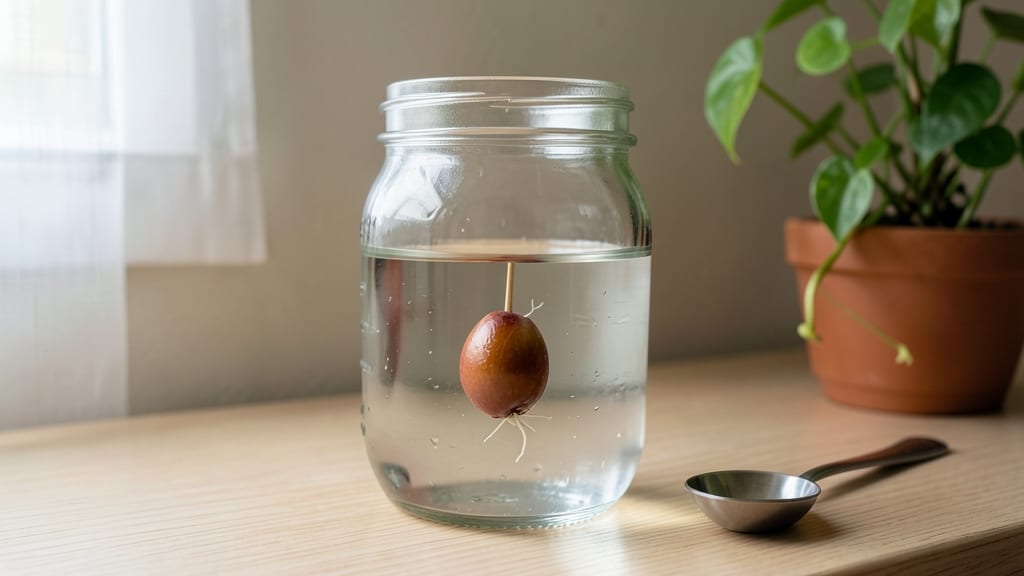
Planting a mango seed in water is the easiest way to start your tropical dream tree—no soil, no guesswork, just roots growing right before your eyes. 🌱 I’ve watched seeds sprout in just 2 weeks using this foolproof method, and the best part?
You’ll know exactly when to move it to soil. All you need is a glass jar, fresh mango seed, and a sunny windowsill. Skip the fancy equipment—this works with basic supplies most people already have.
The key is keeping the water fresh and the seed upright, which prevents mold and encourages strong roots. By week three, you’ll see 1-2 inch roots ready for transplanting. The seedling will grow slowly at first, but patience pays off with a sturdy young tree.
Just avoid overwatering, or you’ll risk root rot before the roots even start. Once roots reach 3-4 inches, it’s time to plant in soil. Use a well-draining mix and keep it moist but not soggy.
This method works for any mango variety, and the process is the same whether you’re starting indoors or in a warm climate.
📚 In This Guide
- What you need
- Instructions
- Tips and common mistakes
- Wrapping up and next steps
What you need
- ● 1 fresh mango seed – Choose a seed from a ripe, organic mango (the bigger, the better!)
- ● 1 clear glass or jar – At least 8 oz (240 mL) in size, with a wide enough opening to fit the seed comfortably.
- ● Water – Filtered or tap water (let it sit out for 24 hours if using tap water to remove chlorine).
- ● Toothpicks or small skewers – 2-3 pieces, to prop up the seed.
- ○ Paper towel or coffee filter – A single sheet to support the seed (optional but helpful).
- ● Small plate or saucer – To stabilize the glass and catch spills.
- ● Spray bottle – For misting water without over-saturating the seed.
- ● Grow light or sunny windowsill – If your space lacks natural light (6+ hours of indirect light is ideal).
- ● Notebook & pen – To track root growth and watering dates!
Step-by-step instructions for germinating a mango seed in water
Here's the simple method I've used to grow strong mango seedlings without soil.
🌱 Step 1: Prepare the Mango Seed for Planting
Start with a fresh, plump mango seed—save one from your favorite fruit. Rinse it thoroughly to remove any flesh clinging to the shell. The seed needs to be clean so it doesn't rot during germination. I like to soak it in warm water for 10-15 minutes to soften any remaining fruit residue.
After rinsing, let the seed dry completely for 1-2 hours on a paper towel. This prevents moisture from getting trapped when you place it in water. You'll know it's ready when the outer shell feels dry to the touch but the seed itself still looks plump.
💧 Step 2: Set Up the Water Germination Container
Find a clear glass or jar with a wide enough opening to hold the seed comfortably. I use a 16-ounce mason jar because it lets me see root development clearly. Fill it with room-temperature water—never cold water, as it can shock the seed.
Place the seed in the jar so about half of it is submerged. The top half should remain exposed to air. Change the water every 2-3 days to keep it fresh and prevent bacterial growth. You'll see tiny white roots emerge from the bottom within 7-10 days—this is your first sign of success!
☀️ Step 3: Provide Warmth and Indirect Light
Position your jar in a spot with bright, indirect light—like a windowsill facing east or west. Direct sunlight can overheat the water and damage delicate roots. I keep mine near a kitchen window where it gets morning light but stays shaded in the afternoon.
Mango seeds germinate best in warmth (70-80°F). If your home runs cooler, place the jar on a seedling heat mat or near a warm spot like the top of the fridge. You'll notice the roots growing ¼ inch per day once they start—this is when you know everything is working!
🌿 Step 4: Monitor Root Growth and Prepare for Transplanting
After 2-3 weeks, your roots should reach 2-3 inches long. This is when you'll need to act fast—roots this size are ready to transition to soil. Check daily for signs of yellowing or slow growth, which means the water needs changing or the seed needs more warmth.
When roots fill the jar, it's time to plant. Gently remove the seed and place it in moist potting mix, burying it halfway. Keep the soil consistently damp (not soggy) for the first week. The transition is critical—roots this size can't handle drying out.
Tips & tricks for germinating mango seeds in water
Here's what nobody tells you about growing mango seeds—tricks that'll make all the difference between success and frustration.
Seed Selection: Choose the plumpest, heaviest seed from a ripe mango—it's like picking the best egg at the store. I've found that seeds from organic mangoes germinate faster, likely because they're less likely to have chemical residues. If your seed feels light or hollow when tapped, it won't sprout. Confession: I skipped this step for years and wondered why some seeds never grew!
Water Quality Matters: Use filtered or distilled water if possible, especially if your tap water has chlorine or fluoride. I learned this the hard way after my first batch of roots turned brown and mushy—turns out, chlorine can inhibit growth. Change the water every 2-3 days as instructed, but also rinse the jar thoroughly before refilling to prevent bacterial buildup.
Light Positioning: East-facing windows are ideal because they provide gentle morning light without the intense heat of midday sun. If you only have south-facing windows, move the jar 2-3 feet away from the glass to prevent overheating. I keep mine on a rotating tray so I can adjust position as the sun moves across the sky.
Root Development Watch: Once roots reach about 1 inch long, they'll start growing faster—this is when you'll notice them adding about ¼ inch per day. At this stage, I add a small pebble to the jar to weigh down the seed slightly and prevent it from floating, which can stress the developing roots.
Pro Tips for Plant A Mango Seed In Water
- Here's what nobody tells you about growing mango seeds—tricks that'll make all the difference between success and frustration.
- Seed Selection: Choose the plumpest, heaviest seed from a ripe mango—it's like picking the best egg at the store.
- Water Quality Matters: Use filtered or distilled water if possible, especially if your tap water has chlorine or fluoride.
Frequently asked questions
Got questions about growing a mango from a seed? Here are some of the most common ones—and their answers—to help you succeed!
How long does it take for a mango seed to sprout in water?
A mango seed typically sprouts roots in 2–4 weeks when kept in water. The timing depends on factors like water temperature (ideally 70–80°F), seed freshness, and consistency of moisture. Patience is key—don’t rush it! If you see tiny white roots peeking out, you’re on the right track.
What if my mango seed rots in water instead of sprouting?
Rotting is common if the seed stays too wet or stagnant. To prevent this, change the water every 2–3 days and ensure it’s fresh and oxygenated. If mold appears or the seed turns mushy, remove it and try again with a new seed. A shallow dish with a mesh (like a plastic basket) can improve airflow.
Can I plant the seed directly in soil without germinating it in water first?
Yes, but success rates drop significantly. Seeds germinate faster in water because it provides consistent moisture and warmth without competition from soil microbes. If you skip water, plant the seed halfway in moist soil (pointy end up) and keep it humid with a plastic bag. However, water germination gives you a head start on root growth.
How do I know when the seedling is ready to transplant to soil?
Your mango seedling is ready for soil when it has 2–3 inches of roots and a small sprout (about 1–2 inches tall). Choose a well-draining potting mix and a pot with drainage holes. Transplant gently to avoid damaging roots, and place it in bright, indirect light for the first week. Overwatering now can shock the delicate roots!
Will a mango tree grown from seed produce fruit like the parent tree?
Probably not! Seed-grown mango trees are unpredictable—they may take 5–10 years to fruit (if at all) and the fruit won’t match the parent tree’s variety. For reliable fruit, graft a known cultivar onto your seedling later. If you just want a fun houseplant, though, enjoy the journey—it’s all about the adventure!
Wrapping up and next steps
You’ve now got all the tools to grow your own mango tree from a seed—no soil required! 🌱 With patience and care, you’ll see those first roots sprout in just a couple of weeks.
This simple process isn’t just fun; it’s a rewarding way to connect with nature and even nurture a future fruit-bearing plant.
Once your seedling has strong roots, the next step is transplanting it into soil. Stay tuned for our guide on how to give your little mango tree the best start in its new home. Happy growing! 🌟