
Plants
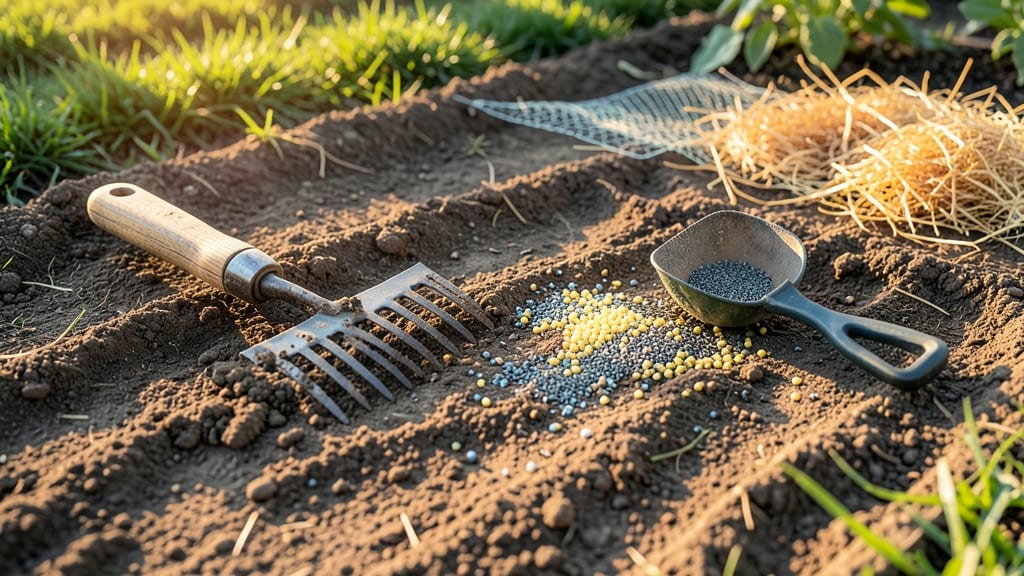
A good time to plant grass seed in the spring is 4-6 weeks before your last frost date — when soil temperatures hit 50-65°F and the ground is workable but not baking hot.
Timing your grass seed planting perfectly in spring can mean the difference between a lush, green lawn and patchy, weak growth—here’s the exact science behind it.
In Zone 6a, that means aiming for early April for cool-season grasses like Kentucky bluegrass or fescue, while warm-season types like Bermuda should wait until late May or June when the soil is reliably warm.
Below, I’ll walk you through how to check your soil’s readiness, the best weeks by region, and the 3 critical mistakes that derail even the most careful planters.
Best spring weeks to plant grass seed by USDA climate zone
Getting your grass seed timing right in spring is everything—plant too early and risk frost damage, too late and face summer heat stress. The key lies in understanding your USDA climate zone and whether you're growing cool-season or warm-season grasses.
For most regions, the 4-6 week window after your last frost date is prime planting time, but soil temperature thresholds vary dramatically by zone.
Cool-season grasses like Kentucky bluegrass and fescue thrive when soil temps hit 40-60°F, while warm-season types such as Bermuda and Zoysia need 65°F+ to germinate. Let’s break down the exact spring planting weeks by zone to maximize your lawn’s success rate.
Pro Tip: Use a soil thermometer to verify temperatures—this is the #1 way gardeners accidentally plant at the wrong time. Aim for consistent daytime highs above 50°F for cool-season grasses and 65°F+ for warm-season types before seeding.
| USDA Zone | Grass Type | Ideal Planting Window (After Last Frost) | Soil Temp Threshold (°F) | Key Spring Months |
|---|---|---|---|---|
| Zones 3-5 | Cool-season (Tall Fescue, Ryegrass) | Weeks 3-5 (April-May) | 40-55°F | March-April |
| Zones 6-7 | Cool-season (Kentucky Bluegrass) | Weeks 4-6 (April-May) | 50-60°F | April-May |
| Zones 8-9 | Cool-season (Fine Fescue) / Warm-season (Bermuda) | Cool: Weeks 5-7 / Warm: Weeks 8-10 | Cool: 55-65°F / Warm: 70-85°F | May (Cool) / June (Warm) |
| Zones 10 | Warm-season (St. Augustine, Zoysia) | Weeks 9-12 (June-July) | 65-80°F | June-July |
Notice how Zones 3-5 have a much earlier window than Zones 8-10? That’s because northern climates experience soil warming delays from spring frosts, while southern zones can plant later in the season.
For example, in Zone 6 (my home zone), I always wait until mid-April when soil temps hit 55°F consistently.
If you’re in a transition zone (7-8), you’ll need to decide between cool-season grasses for spring or warm-season types for late summer. Many gardeners in these zones opt for tall fescue blends that handle both seasons better.
Check your local cooperative extension service for hyper-local frost data—they track last frost dates with precision.
One common mistake I see is planting warm-season grasses in spring when soil temps are still cool. These seeds will rot before germinating. Always verify with a soil thermometer—it’s the only way to be certain.
For cool-season grasses, wait until nighttime temps stay above 40°F to avoid frost damage.
For best results, pair your planting with proper soil prep: till the top 2-3 inches, remove debris, and add compost or starter fertilizer. This ensures your seeds make contact with moist, nutrient-rich soil—the foundation of strong germination.
Water lightly twice daily until seeds sprout, then gradually reduce to deep, infrequent watering.
Remember: Spring planting success hinges on three factors—soil temperature, moisture consistency, and grass type suitability. Get these right, and you’ll see uniform germination in 7-14 days with a lush lawn by summer. Miss the window, and you’ll face patchy growth or weed competition.
Need a quick reference? Bookmark this chart and check your local frost dates—your future lawn will thank you! 🌱
How to check soil and weather readiness before planting
Planting grass seed in spring requires more than just picking a date—your soil temperature, moisture levels, and weather forecast all play critical roles. Cool-season grasses like Kentucky bluegrass need soil at 40°F+, while warm-season types such as Bermuda grass thrive at 65°F+.
Skipping these checks often leads to slow germination or seed failure.
Start by testing your soil temperature with a simple soil thermometer (insert 2-3 inches deep). If the reading is below 40°F, wait—cold soil can delay germination by weeks. For warm-season grasses, aim for 65°F+ before planting. This small step prevents wasted seed and effort.
- 🌡️ Soil Temp: 40°F+ (cool-season) or 65°F+ (warm-season)
- 💧 Moisture: Top 2-3 inches damp (not soggy)
- ☀️ Weather: 7-day forecast shows no heavy rain or frost
- 🌱 Seed Prep: Test seed viability (float test: sink = good)
- ✂️ Site Prep: Loose soil, no weeds, and level surface
Next, check moisture levels by digging a small hole—your soil should feel damp 2-3 inches down. If it’s dry, water deeply 24 hours before planting to mimic natural spring rains. Overwatering, however, can suffocate seeds, so aim for consistent moisture, not saturation. A moisture meter simplifies this check.
Don’t overlook the 7-day weather forecast. Planting before a hard frost or during prolonged rain can drown seeds or wash them away. Use a reliable weather app to spot trends—look for stable temps and minimal precipitation for at least a week post-planting.
This ensures your seeds stay snug in the soil.
Finally, prep your planting site by loosening soil with a rake or tiller to 1-2 inches deep. Remove debris and weeds, then lightly level the area. For large lawns, use a lawn roller to press seeds into the soil—this boosts seed-to-soil contact, critical for germination.
Skipping this step often results in patchy growth.
By following these steps, you’ll avoid the #1 mistake of planting too early or in poor conditions. Patience now means a thicker, greener lawn in just 3-4 weeks—not a second attempt next spring. 🌱