
Companion Plants
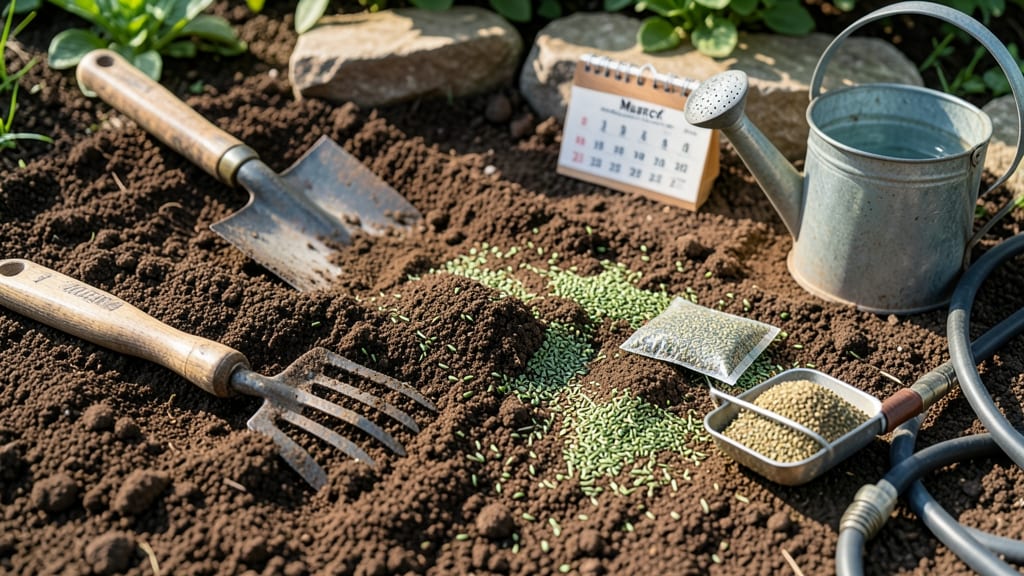
Planting grass seed in the spring at the right time ensures fast germination and a thick, green lawn—soil temperature and your local frost date are the key factors.
Timing your grass seed planting in spring can mean the difference between a lush, green lawn and weeks of patchy brown spots—soil temperature and your hardiness zone are the secret ingredients.
If you plant too early, cold soil can slow germination or even kill the seeds. Too late, and summer heat arrives before the grass establishes strong roots. For Zone 6a, aim for 4-6 weeks before your last frost, typically between late March and early April.
Inside, you’ll find the exact soil temperature ranges for your region, how to prep your soil for success, and the fastest way to get your grass off to a strong start—no guesswork required.
Ideal soil temperature and hardiness zones for spring grass seed planting
Understanding your USDA hardiness zone and soil temperature is the first step to planting grass seed at the perfect time in spring. Most grass seeds need soil temperatures between 50°F and 65°F to germinate properly.
If the soil is too cold, seeds may rot or fail to sprout, while temperatures above 70°F can dry them out before they establish.
Your hardiness zone determines when you can safely plant. For example, in Zone 3, where winters are harsh, you’ll need to wait until late April or early May. Meanwhile, in Zone 10, where winters are mild, you can start as early as February.
The key is to plant 4-6 weeks before your last frost date to give seeds time to germinate before summer heat arrives.
| USDA Zone | Ideal Planting Window | Soil Temp Range (°F) | Regional Notes |
|---|---|---|---|
| 3-4 | Late April - Early May | 50-55°F | Wait for soil to thaw; use black plastic mulch to warm soil faster. |
| 5-6 | Mid-April - Early May | 55-60°F | Avoid planting if frost is forecasted within 2 weeks. |
| 7-8 | Early March - Late April | 60-65°F | Southern states can plant earlier; monitor for late frosts. |
| 9-10 | February - Early March | 60-65°F | Plant in cooler months to avoid summer drought stress. |
Microclimates can shift your planting window by 2-4 weeks. For example, a south-facing slope warms up faster than a north-facing yard, allowing you to plant earlier. Similarly, urban areas with heat islands may experience warmer soil temperatures, while shaded spots stay cooler longer.
Use a soil thermometer to check temperatures at a 2-inch depth before planting.
Northern regions like Zone 3-5 often face unpredictable spring weather. If your soil is still below 50°F, cover seeds with a lightweight row cover to protect them from cold snaps.
In warmer zones like Zone 8-10, prioritize planting in February to avoid summer heat stress, which can dry out young grass.
Don’t rely solely on your hardiness zone—always check your last frost date for your specific location. Websites like the National Weather Service or local agricultural extensions provide frost date maps tailored to your city.
For instance, Denver (Zone 5) typically has its last frost around April 15, while Miami (Zone 11) rarely sees frost at all.
If you’re unsure about your zone, use the USDA Plant Hardiness Zone Map to locate your exact zone. Once you know your zone, adjust your planting date based on the soil temperature rather than just the calendar.
For example, in Zone 6, you might plant in early April, but if the soil is still below 55°F, wait another week or two.
Preparing your soil is just as important as timing. Loosen the top 2-3 inches of soil with a rake or tiller to improve aeration and water absorption. Add a balanced fertilizer (like 10-10-10) to provide essential nutrients for germination.
If your soil is heavy clay or sandy, amend it with compost to improve moisture retention and structure.
After planting, keep the soil consistently moist but not soggy. Use a light mulch of straw to retain moisture and protect seeds from drying out. Water gently in the morning to avoid fungal growth, and avoid walking on the lawn until the grass is at least 3 inches tall.
With the right soil temperature and zone-specific timing, your grass will germinate in 7-21 days, depending on the variety.
Remember, the goal is to establish a strong root system before summer heat arrives. If you plant too early and face a late frost, your seeds may not survive. Conversely, planting too late can leave your lawn vulnerable to weeds and drought.
By following your zone’s guidelines and monitoring soil temperature, you’ll set your grass up for success from day one.
Step-by-step spring planting timeline by grass type (cool vs warm season)
Not all grass types thrive on the same spring schedule—cool-season grasses like Kentucky bluegrass and fescue need early planting, while warm-season varieties like Bermuda and Zoysia prefer later dates. The key is matching your grass type to your local frost dates and soil temperatures.
For cool-season grasses, aim to plant 4-6 weeks before your last frost. In Zone 6a, this typically means late March to early April. Warm-season grasses, however, should wait until after the last frost, usually late April to early May, when soil temperatures reach 65°F+.
| Grass Type | Ideal Planting Window | Soil Temp (°F) | Pre-Planting Prep | Post-Planting Care |
|---|---|---|---|---|
| Kentucky Bluegrass | Late March - Early April | 50-60°F | Aerate, test pH (6.0-7.5), add compost | Light mulch, water daily, mow at 3" |
| Fescue | Early April - Mid-May | 55-65°F | Core aerate, loosen soil, add phosphorus | Keep moist, avoid heavy foot traffic |
| Bermuda | Late April - Early May | 65-75°F | Remove old grass, till soil, add sand | Water deeply 2x/day, fertilize in 6 weeks |
| Zoysia | Early May - June | 70-80°F | Rake debris, add nitrogen, level soil | Water lightly daily, mow at 1-2" |
Before planting any grass type, test your soil pH—most grasses prefer 6.0-7.5. For cool-season grasses, apply a starter fertilizer with phosphorus to encourage root growth. Warm-season grasses like Bermuda benefit from nitrogen-heavy fertilizers after planting.
After sowing seeds, maintain consistent moisture without overwatering. Use a light mulch of straw to retain soil moisture and protect young seedlings. For cool-season grasses, avoid heavy foot traffic until the grass reaches 3 inches tall.
Warm-season grasses like Zoysia can handle lighter traffic sooner but need full sun to establish.
If you miss the ideal window, don’t panic. Overseeding in early fall is another great option for cool-season grasses. For warm-season types, late summer planting (August) can work in Zone 7-10, though germination may be slower.
Always monitor soil temperatures with a thermometer to avoid planting when conditions are too extreme.
Pro tip: Mark your calendar for 6-8 weeks after planting—this is when most grass types need their first fertilizer application to encourage thick growth. Adjust watering based on rainfall; 1 inch per week is ideal for most varieties during establishment.