
Plants
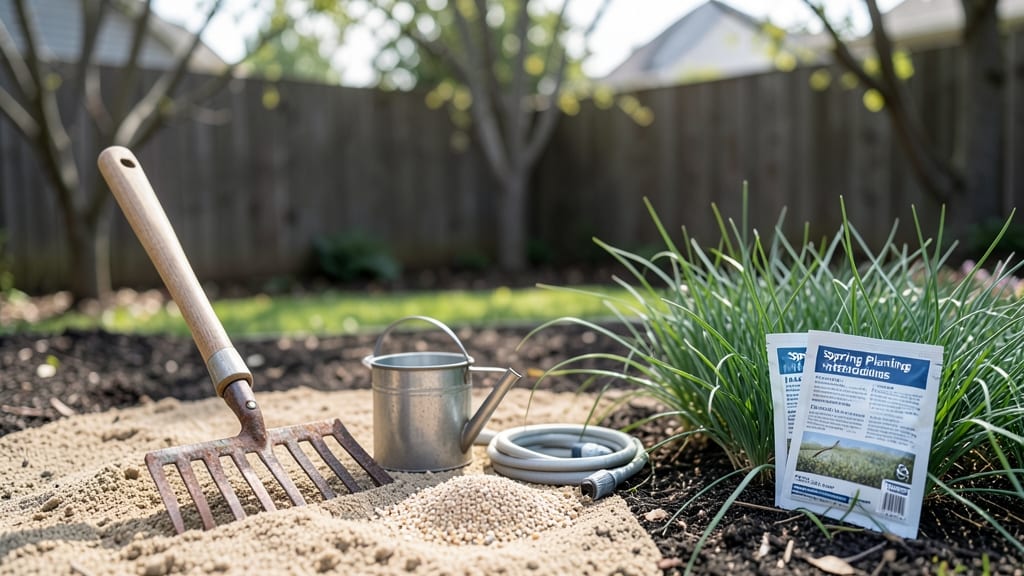
Planting grass seed in the spring at the right time ensures strong germination and a thick lawn—soil temperatures and frost dates are the key factors to watch.
If you’ve ever rushed to plant too early and watched your seeds freeze, or waited too late and battled weeds, you know timing matters more than you think.
The difference between a lush, green lawn and a patchy mess often comes down to knowing when the soil is warm enough and the frost risk has passed.
In Zone 6, where spring can swing from icy mornings to sudden heatwaves, the ideal window is typically between mid-March and early May. But soil temperature—not just the calendar—tells the real story, and a quick check with a thermometer can save you from wasted seeds and frustration.
Below, I’ll break down the exact soil temperatures to aim for, how to adjust for early or late springs, and the one mistake that ruins more lawns than any other. Let’s get your grass off to the best possible start.
Ideal soil temperature and frost-free guidelines for planting grass seed
Planting grass seed in spring requires precise timing to avoid frost damage or heat stress. The ideal soil temperature for germination ranges between 50°F and 65°F, but your USDA hardiness zone and local frost patterns will dictate the exact window.
Planting too early risks freezing soil, while waiting too long may expose seedlings to summer drought. Let’s break down the science behind these guidelines so you can time your planting like a pro.
First, check your last frost date—this is your golden reference. Most grass seeds need 4–6 weeks of warm soil before germination, so aim to plant 4–6 weeks before the last frost. However, soil temperature matters more than calendar dates.
Cool-season grasses like Kentucky bluegrass and fescue can tolerate slightly cooler soils (50°F–55°F), while warm-season grasses like Bermuda or Zoysia need 65°F+ to thrive. Use a soil thermometer to verify conditions.
A soil thermometer is your best tool for accuracy. Insert it 2–3 inches deep (where seeds will germinate) and check readings in the morning. If your soil hovers between 55°F–65°F, it’s prime time to plant.
In Zones 3–5, this often aligns with late April to early May, while Zones 7–10 may see ideal conditions as early as March. Always confirm with your local Cooperative Extension Service for hyper-local insights.
Frost risk is the silent killer of new grass. Even if soil temps are perfect, a late frost can wipe out seedlings overnight. To hedge your bets, plant cool-season grasses 4–6 weeks before the last frost and warm-season grasses 2–3 weeks after.
In Zones 6–9, this might mean planting in March for warm-season grasses and April for cool-season types. If frost is forecasted within 7–10 days of planting, delay until conditions stabilize.
Here’s how to adjust for early vs. late spring planting. In early spring (before last frost), focus on cool-season grasses and use row covers or frost cloths for protection.
For late spring planting (after last frost), opt for fast-germinating varieties like annual ryegrass or tall fescue, which can establish quickly in warm soil. Late starters should also prioritize shade cloth to protect seedlings from intense afternoon sun.
Regional variations matter. In the Northeast (Zones 3–5), aim for late April to early June planting, while the Southeast (Zones 6–8) can start as early as February for warm-season grasses.
The Midwest (Zones 4–6) typically plants in April–May, and the West Coast (Zones 7–10) often sees ideal conditions in March–April. Always cross-reference with local weather trends—some years, spring arrives weeks early or late.
Don’t rely solely on calendar dates. Use a soil thermometer ($10–$20 at garden centers) to track daily temps. For example, if your soil is 52°F in March but a frost is predicted, wait.
Conversely, if soil hits 60°F in April despite a late frost warning, proceed—modern grass seeds are bred for resilience. Pair your thermometer with a weather app that tracks 10-day forecasts to anticipate shifts.
Preparing your soil is just as critical as timing. Before planting, rake away debris and loosen the top 2–3 inches of soil to improve aeration. Add compost or peat moss to boost organic matter, and test your soil’s pH (6.0–7.0 ideal).
If your soil is too acidic (pH < 6.0), amend with lime 2–3 weeks before planting. Overwatering or compacted soil can delay germination, so aim for loose, crumbly texture—like a well-fluffed cake batter.
Once you’ve nailed the timing, watering consistency becomes your top priority. New grass seeds need 1/2 inch of water per week, applied in morning sessions to prevent fungal growth. Use a sprinkler with even coverage or a soaker hose to avoid washing seeds away.
Light, frequent watering (daily for the first 2 weeks) encourages deep root growth, while heavy afternoon watering can invite disease. Keep soil moist but not soggy—think of a wrung-out sponge.
Finally, monitor your lawn for germination signs, which typically appear in 7–21 days depending on variety and conditions. Once seedlings reach 2–3 inches tall, reduce watering to 3–4 times per week and mow when grass hits 3–4 inches to encourage density.
If you’ve followed these soil temp and frost-free guidelines, you’ll be well on your way to a thick, vibrant lawn by summer.
| USDA Zone | Ideal Planting Window | Soil Temp Range | Frost-Free Rule | Grass Type | ||||||||||||||||||||||||||
|---|---|---|---|---|---|---|---|---|---|---|---|---|---|---|---|---|---|---|---|---|---|---|---|---|---|---|---|---|---|---|
| Zones 3–5 | Late April–Early June | 50°F–55°F | 4–6 weeks before last frost | Cool-season (Kentucky bluegrass, fescue) | ||||||||||||||||||||||||||
| Zones 6–8 | <
| Variety | Best Planting Window | Germination Time | Drought Tolerance | Best For |
|---|---|---|---|---|
| Kentucky Bluegrass | Early spring (March–April) | 7–14 days | Moderate | Northern lawns (Zones 3–8) |
| Tall Fescue | Early to late spring (March–May) | 10–21 days | High | Drought-prone areas (Zones 4–9) |
| Bermuda Grass | Late spring (April–May) | 14–28 days | Very High | Southern lawns (Zones 7–10) |
| Zoysia Grass | Late spring (April–June) | 21–30 days | High | Shade-tolerant, warm climates (Zones 5–10) |
| Fine Fescue | Early spring (March–April) | 14–21 days | Moderate | Shady lawns (Zones 3–8) |
For Northern regions (Zones 3–6), cool-season grasses like Kentucky bluegrass and fine fescue are my top picks—they germinate quickly in 50–60°F soil and handle early spring frosts better than most.
If you’re a late starter, opt for tall fescue, which germinates faster than Kentucky bluegrass and tolerates drought and heat once established.
In Southern regions (Zones 7–10), warm-season grasses like Bermuda and Zoysia take center stage. These varieties need warmer soil (65–75°F) to germinate, so planting in late spring (April–May) ensures they thrive.
Bermuda, in particular, is a drought-resistant powerhouse, while Zoysia offers shade tolerance and stays green year-round in mild winters.
If your spring weather is unpredictable—like in Zone 6—I recommend a mix of cool-season and warm-season grasses. For example, pairing tall fescue (for early spring) with Bermuda (for late spring) gives you a two-season lawn that stays green year-round.
Just be sure to overlap planting times by 2–3 weeks to avoid gaps.
Pro tip: Always test your soil temperature before planting—cool-season grasses need 50–60°F, while warm-season types prefer 65–75°F. A $10 soil thermometer from your local garden center is worth every penny to avoid wasted seeds.
And if you’re in a transition zone (Zones 6–7), consider warm-season grasses with cool-season blends for a smooth handoff between seasons.