
Planting
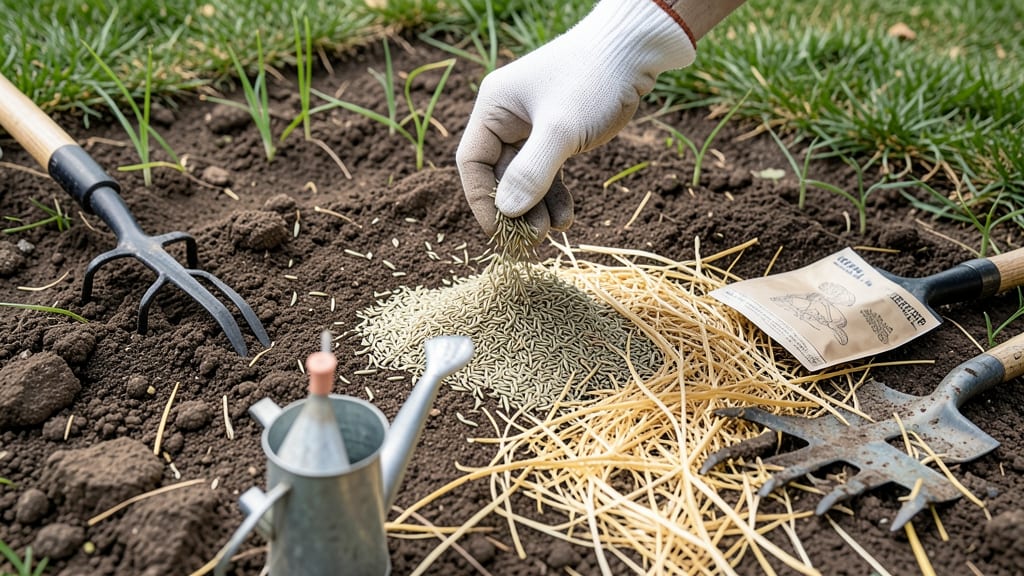
Sowing grass seed in September is your golden ticket to a lush, weed-free lawn by spring—if you time it right.
Picture this: cooler soil, fewer weeds, and fewer pests racing to beat you to the patch. But miss the window, and frost will nip your seedlings before they take hold. The key is knowing exactly when, how, and which grass to plant for your zone.
In USDA Zone 6a, late August to early September is ideal—just before the first frost on October 15. We’ll walk you through soil prep, seed selection, and watering tricks to ensure your grass germinates strong and survives the chill.
Skip the guesswork and learn the 3-step process that turns bare spots into thick, green coverage before winter sets in.
Why September is the best time to sow grass seed (and how to maximize success)
September offers the perfect balance of cool soil temperatures and reduced weed pressure, creating ideal conditions for grass seed germination. Unlike spring planting, fall sowing allows seeds to establish strong roots before winter dormancy, resulting in a thicker, greener lawn by spring.
The key lies in understanding your region’s frost timing and soil temperature thresholds to maximize success.
Cool-season grasses like Kentucky Bluegrass and Tall Fescue thrive when soil temperatures hover between 60°F and 75°F. September’s mild weather provides this sweet spot, while avoiding the heat stress of summer or dormancy risks of late fall.
Even warm-season grasses benefit from early fall planting, as they can establish roots before winter.
Weed competition drops significantly in September, giving your new grass seedlings a head start without battling invasive plants. Additionally, evening dew and morning moisture keep seeds hydrated naturally, reducing the need for constant watering.
However, timing is critical—plant too early, and weeds may still compete; too late, and frost can damage tender seedlings.
Here’s how to leverage September’s advantages for a successful lawn:
| Factor | Ideal September Conditions | Why It Matters |
|---|---|---|
| Soil Temperature | 60°F–75°F | Encourages rapid germination and root development without heat stress. |
| Weed Competition | Low to Moderate | Fewer weeds mean more resources for grass seedlings to thrive. |
| Moisture Levels | Consistent (dew + rain) | Natural hydration reduces watering demands and drought stress. |
| Frost Risk | Low in Early Sept, High by Late Sept | Seedlings need 4–6 weeks to establish before first frost. |
| Seed Selection | Cool-Season Grasses | Kentucky Bluegrass, Tall Fescue, and Ryegrass thrive in fall. |
Your region’s frost date dictates the best window for sowing. In USDA Zones 5–8, aim to plant by mid-September to allow seedlings 4–6 weeks of growth before frost.
For Zones 9–10, late September or early October works, as frost is rare. Check your local last frost date and count backward to plan.
Adjust your timeline if September arrives unusually hot or cold. In early September, soil may still be warm—opt for shade-tolerant varieties like Fine Fescue to reduce stress. If late September brings cooler temps, prioritize fast-germinating seeds (e.g., Annual Ryegrass) to outpace frost.
Protect seedlings from early frosts with a lightweight frost blanket or row cover. These barriers allow sunlight while trapping heat, giving roots time to harden. Avoid heavy mulch, which can suffocate young plants. Instead, use straw mulch (1 inch thick) to retain moisture without smothering growth.
September’s success hinges on soil preparation and seed selection. Test your soil’s pH (ideal: 6.0–7.0) and amend with compost or lime if needed. Choose a high-quality seed blend tailored to your climate—cool-season grasses dominate in northern regions, while Bermuda Grass thrives in southern zones.
Monitor soil moisture closely after sowing. Aim for 1–1.5 inches of water weekly, applied deeply in the morning to prevent fungal diseases. Avoid overhead watering, which can dislodge seeds. A sprinkler with gentle mist or drip irrigation works best for even coverage.
By leveraging September’s cool temps, low weeds, and natural moisture, you’ll give your lawn a competitive edge before winter. Start early, protect seedlings, and choose the right seeds—your spring lawn will thank you with vibrant, dense growth.
Step-by-step guide: preparing soil and planting grass seed for September success
September’s cool soil temperatures (60-75°F) and reduced weed competition create the perfect conditions for grass seed to germinate and establish roots before winter. But rushing the process can leave your lawn vulnerable to early frost or poor seed-to-soil contact.
Let’s break this down into clear, actionable steps to ensure your grass thrives.
Start by testing your soil pH—ideal for grass is between 6.0 and 7.0. If your soil is too acidic or alkaline, amend it with lime (to raise pH) or sulfur (to lower pH) at least 2-4 weeks before planting.
This gives the soil time to adjust and prevents stressing your new seedlings.
Remove all debris, rocks, and weeds from the area. Use a garden rake to loosen the top 4-6 inches of soil. For compacted soil, rent a tiller to break up hardpan and improve aeration.
Mix in 2-3 inches of compost or a balanced fertilizer (10-10-10) to provide essential nutrients. For sandy soil, add peat moss to retain moisture; for clay soil, incorporate perlite or coarse sand to improve drainage.
Use a lawn roller or a board leveler to create a smooth surface. Fill low spots with soil and rake again to ensure even seed distribution. Avoid over-tilling, which can bury seeds too deep.
Spread grass seed evenly using a broadcast spreader or by hand. Aim for 8-12 lbs per 1,000 sqft, depending on the seed mix. Lightly rake the area to ensure seed-to-soil contact without burying seeds deeper than ¼ inch.
Water lightly 2-3 times daily (about ¼ inch per session) for the first 7-10 days to keep soil moist. After germination, switch to deep watering (1-1.5 inches per week), focusing on the roots. Avoid overhead sprinklers to prevent fungal diseases.
If early frost is forecasted, cover seedlings with lightweight row covers or straw mulch to insulate them. Remove covers during the day to allow sunlight. Avoid heavy mulch, which can smother young plants.
After sowing, resist the urge to walk on the lawn—foot traffic can displace seeds and damage sprouts. Instead, monitor for even moisture and uniform germination. If you notice bare patches after 2-3 weeks, lightly reseed those areas and keep them consistently moist.
By following these steps, your grass will establish a deep root system before winter, giving it a head start for spring’s vibrant growth. Just remember: patience and consistency are key—your September efforts will pay off with a thicker, greener lawn next year. 🌱