
Propagation
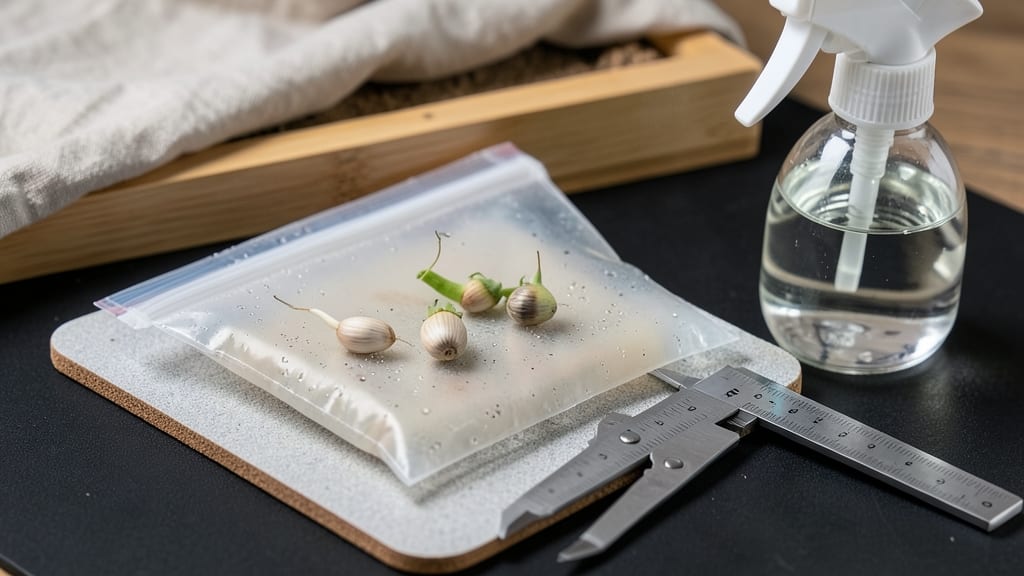
The sunflower seed germination time typically takes 7 to 14 days, but the timing depends on heat, moisture, and soil conditions—so why are yours taking longer than expected?
If you’ve ever stared at a tray of damp soil, willing those stubborn seeds to crack open, you’re not alone. The key to faster sprouts lies in understanding how temperature and moisture work together to trigger growth.
With a few simple adjustments—like pre-soaking seeds or using a heat mat—you could cut that wait time in half.
Most gardeners assume sunflowers are low-maintenance, but the truth is, these giants 🌻 need the right conditions to wake up fast. Too cool? Germination slows. Too dry? Seeds stay dormant.
We’ll break down the science behind those first green shoots and share proven tricks to speed up the process—even if you’re working with basic supplies.
By the end, you’ll know exactly how to create the perfect environment for your seeds, from planting depth to soil warmth, so you’re not left guessing when (or if) those sprouts will finally appear.
Sunflower seed germination time: how long until sprouts appear?
Sunflower seeds are one of the fastest-growing plants you can start from scratch, but their germination time varies dramatically based on soil temperature, moisture levels, and even the sunflower variety.
Under ideal conditions, you can see those first tiny green shoots as early as 3 to 7 days, while slower varieties might take up to 14 days.
The key is understanding the biological triggers that kickstart growth—like enzyme activation and radicle emergence—so you can create the perfect environment for your seeds.
Before a seed even thinks about sprouting, it undergoes a hidden but critical process inside the soil. The seed’s embryo activates enzymes that break down stored nutrients, while the radicle (the first root) emerges within 24 to 48 hours of proper moisture and warmth.
This is why consistent soil temperatures between 70°F and 90°F are non-negotiable—any cooler, and germination slows to a crawl. Even a single cold snap can delay sprouts by a week or more.
The variety of sunflower you’re growing also plays a huge role. Dwarf varieties like ‘Teddy Bear’ or ‘Moulin Rouge’ often sprout in 5 to 7 days, while giant varieties such as ‘Russian Giant’ or ‘Mammoth’ can take 10 to 14 days. Oilseed sunflowers, like those used for bird feed, tend to germinate faster—sometimes in as little as 3 to 5 days—because they’re bred for quick establishment.
Knowing your variety’s tendencies helps you set realistic expectations and troubleshoot delays.
Now, let’s cut to the chase with a quick-reference guide to sunflower germination timelines, soil needs, and what to watch for at each stage. This table breaks down the critical factors so you can optimize your setup for faster, healthier sprouts.
| Germination Stage | Timeframe | Key Trigger | What to Watch For |
|---|---|---|---|
| Enzyme Activation | 12–48 hours | Moisture + warmth | Seed softens slightly |
| Radicle Emergence | 2–5 days | 70°F+ soil temp | White root breaks shell |
| Shoot Appearance | 5–14 days | Consistent moisture | Green hook-shaped sprout |
| First True Leaves | 7–21 days | Light exposure | Seed leaves unfurl |
The soil type you use can make or break your germination success. Sunflower seeds thrive in loose, well-draining soil with a slightly acidic to neutral pH (6.0–7.0). Heavy clay soils can suffocate seeds, while sandy soils may dry out too quickly.
A 50/50 mix of potting soil and perlite is ideal for containers, while garden beds amended with compost work well outdoors. Avoid fresh manure or peat moss, as they can alter pH and moisture levels unpredictably.
Moisture is another make-or-break factor. Sunflower seeds need consistent dampness—not soggy conditions—to trigger germination. Think of it like a sponge: the soil should stay evenly moist, like wringing out a damp (not dripping) cloth.
Overwatering can cause anaerobic conditions, which suffocate seeds, while underwatering halts enzyme activity. Use a spray bottle for precision or a moisture meter to check soil dampness before watering again.
If you’re growing sunflowers in cooler climates (USDA Zones 3–5), consider using a seedling heat mat or placing your seed trays on top of a refrigerator to maintain 75°F+ soil temps. Without extra heat, germination can stretch to 2–3 weeks, and some seeds may never sprout.
For indoor growers, a south-facing windowsill with a grow light can mimic ideal conditions, but bottom heat is still the fastest way to jumpstart growth.
One common misconception is that bigger seeds = faster germination. While sunflower seeds are large, their speed depends more on environmental conditions than size. Dwarf varieties often outpace giants because their genetics prioritize quick establishment.
For example, ‘Sunspot’ (a dwarf) might sprout in 5 days, while ‘Autumn Beauty’ (a standard) could take 12 days. Always check the seed packet for variety-specific notes—some even include germination rates (aim for 85%+ for reliable results).
Finally, light exposure after germination is crucial. Sunflowers are photoblastic, meaning they need light to continue growing once the shoot emerges. If you’re starting seeds indoors, provide 12–14 hours of light daily using a grow bulb or LED lights.
Without enough light, seedlings become leggy and weak, a sign of etiolation, which stunts their development. Once seedlings have 2–3 true leaves, they’re ready for
5 Heat-moisture tricks to speed up sunflower germination
Sunflowers 🌻 are eager to grow—but only if you give them the right kickstart. The ideal germination temperature for sunflower seeds is between 70°F and 90°F (21°C–32°C), and even a few degrees outside that range can delay sprouts by days.
Since most of us don’t live in desert climates, we need to hack the system. The good news? You don’t need fancy equipment to speed things up. A few simple adjustments to heat and moisture can cut germination time from weeks to just 3–10 days.
Let’s start with the basics: sunflower seeds need consistent moisture to activate their enzymes, but they’ll rot if overwatered. The key is keeping the soil damp—not soggy—while giving them a little extra warmth.
Think of it like a cozy blanket for your seeds. Below, I’ll share my top 5 tricks, from no-fuss DIY methods to low-cost tools that make a big difference.
🌱 5 Heat-Moisture Tricks for Faster Sunflower Germination
- Pre-soak seeds in warm water for 4–12 hours to kickstart hydration. This mimics spring rains and helps soften the seed coat, so the radicle (root) can emerge faster.
- Use a DIY heat mat by placing your seed tray on top of a warm water bottle or a heated seedling mat (even a sunny windowsill works in a pinch).
- Keep soil at 75°F–85°F (24°C–29°C) using a thermometer. If your home runs cooler, try a bottom-watering tray filled with warm water to gently warm the soil from below.
- Mist seeds lightly with a spray bottle every 1–2 days to maintain moisture without drowning them. Overwatering suffocates seeds by cutting off oxygen.
- Plant seeds only ½–1 inch deep in loose, well-draining soil. Deeper planting forces seeds to work harder, slowing germination. Aim for loamy soil with added compost for best results.
One of my favorite no-cost tricks is the warm-water bottle hack. Fill a plastic bottle with warm (not hot) water, wrap it in a towel, and place it under your seed tray.
This creates a steady, gentle heat source that mimics the warmth of spring soil. I’ve seen germination times drop from 14 days to just 5 days using this method alone.
If you’re using a heat mat, avoid overheating—above 95°F (35°C) can damage seeds. A simple way to test is to press your finger into the soil: if it feels warm (like a human armpit), you’re in the sweet spot.
Pair this with light misting in the morning to keep moisture levels perfect. The goal is to create a microclimate where seeds feel like they’re in their natural, sun-warmed habitat.
Don’t forget: patience is still part of the process. Even with these tricks, some seeds may take longer due to age or storage conditions. Always test a few seeds in a separate container first to gauge their viability.
Once you see those first green shoots, you’ll know you’ve cracked the code—and your sunflowers will reward you with faster, stronger growth all season.