
Planting
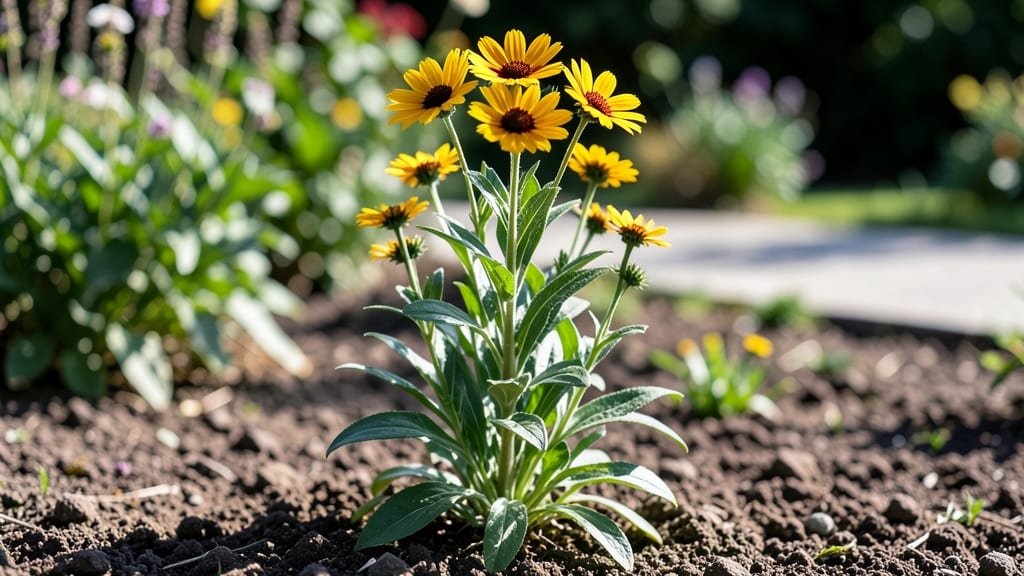
Tickseed plants (Coreopsis or Bidens) bring summer sunshine to your garden with zero-dramama care. 🌻 Honestly, I've killed more delicate perennials than I can count, but these tough little bloomers bounce back from neglect—dry spells, heat waves, even my occasional pruning blunders.
The secret lies in matching their wild origins with a few simple garden habits.
You only need three things to keep them thriving: full sun (at least 6 hours daily), well-draining soil (they hate soggy roots), and occasional deadheading (snip spent blooms to encourage more flowers). Most people overwater—tickseeds prefer dry conditions between drinks, and their deep roots find moisture on their own.
The right spot transforms them from "nice filler" to the star of your summer borders.
By mid-summer, you'll have a cloud of cheerful blooms that last from June through frost. The foliage stays lush and green, not yellow or wilted, because these plants are built to thrive where others struggle.
Even better, they self-seed like crazy—meaning you'll get free plants next year with no extra effort. The only real maintenance is cutting back brown stems in early spring before new growth appears.
Works equally well in garden beds, containers, or wildflower mixes—just avoid heavy clay soil. Here's how to keep them looking their best all season long.
📚 In This Guide
- What you need
- Instructions
- Tips and common mistakes
- Wrapping up and next steps
What you need
- ● Tickseed seeds or nursery-grown plants: Choose Coreopsis verticillata (threadleaf) or Coreopsis grandiflora (largeflower) for best results. Buy 5–10 seeds (or 2–3 plants) for a vibrant display.
- ● Well-draining potting mix: A 5-gallon bag of cactus/succulent blend or regular potting soil mixed with 20% perlite or sand.
- ● Containers or garden bed: For pots: 6–8" diameter containers with drainage holes (1–2 per plant).
- ● For garden beds: Full sun (6+ hours/day) and loose, rocky soil (amend with compost if needed).
- ● Watering can or hose with a gentle spray nozzle: Avoid soggy soil—tickseeds hate wet feet!
- ○ Fertilizer (optional but helpful): Balanced liquid fertilizer (10-10-10): 1–2 tbsp per gallon of water, applied monthly during growing season.
- ● Slow-release granules: Mix 1 tbsp into the soil at planting time.
- ● Mulch: 1–2 inches of gravel or pine straw to retain moisture and deter weeds.
- ● Pruning shears: For deadheading spent blooms (encourages more flowers!).
- ● Plant support (if needed): Small stakes for tall varieties like Coreopsis lanceolata.
- ● Garden gloves: To keep hands clean while handling soil or seeds.
Instructions for year-round tickseed plant care
Here's how to keep your tickseed thriving with simple, effective techniques that respect its hardy nature.
🌱 Step 1: Establish Proper Planting Conditions
Tickseed (Coreopsis) loves well-draining soil with a slightly alkaline pH between 6.0 and 7.5. Amend heavy clay soil with 2-3 inches of compost mixed into the top 12 inches of soil. This ensures roots won't suffocate during wet periods. I always test my soil first—tickseed hates soggy roots, and poor drainage is the #1 killer of these plants.
Choose a location with full sun exposure (at least 6-8 hours daily). In hotter climates, afternoon shade helps prevent leaf scorch, but morning sun is non-negotiable. The plant's bright yellow blooms will fade dramatically if light is insufficient. Space plants 12-18 inches apart—this gives them room to develop their classic daisy-like flowers without competing for nutrients.
☀️ Step 2: Water Strategically for Drought Resistance
Tickseed is famously drought-tolerant once established, but young plants need consistent moisture. Water deeply once a week during the first growing season to encourage deep root development. You'll know you've watered enough when the soil feels 2-3 inches dry below the surface—stick your finger in to check.
After the first year, reduce watering to every 2-3 weeks unless your region experiences extreme heat. Overwatering causes root rot, which manifests as yellowing leaves and wilting despite moist soil. I've seen tickseed bounce back from drought better than most perennials—it's one of the few plants that truly rewards neglect.
✂️ Step 3: Prune for Continuous Blooms
Deadhead spent blooms every 2-3 weeks during the growing season to encourage nonstop flowering. Simply pinch off faded flowers at the base with your fingers—no tools needed. This prevents the plant from wasting energy on seed production. You'll notice new buds forming within 7-10 days of pruning, signaling the plant is ready for another flush of blooms.
In early spring, cut back old stems to 4-6 inches above the ground. This rejuvenates the plant and promotes bushier growth. Tickseed rarely needs heavy pruning, but this one-time annual trim keeps it looking fresh. Avoid cutting into woody stems—focus only on the green growth. The plant's natural habit is airy and open, so resist the urge to shear it like a formal hedge.
🪴 Step 4: Protect During Seasonal Transitions
In fall, reduce watering as temperatures drop. Tickseed enters dormancy naturally, and consistent moisture at this stage can lead to fungal issues. Mulch with 2-3 inches of shredded bark to insulate roots during winter. This protects against freeze-thaw cycles that can heave plants out of the ground.
In early spring, remove old mulch and add a balanced 10-10-10 fertilizer at half strength. This jumpstarts growth without overwhelming the plant. You'll see fresh green shoots emerge within 2-3 weeks—this is your signal that the plant is breaking dormancy. Tickseed handles cold well but appreciates a little extra phosphorus in spring to fuel its prolific flowering.
⏰ Step 5: Monitor for Pests and Diseases
Tickseed is generally pest-resistant, but watch for aphids and spider mites during hot, dry spells. These pests target stressed plants, so maintaining proper watering prevents most infestations. If you spot them, blast off with a strong stream of water—aphids hate this treatment and rarely return after.
Fungal diseases like powdery mildew can appear in humid conditions. Improve air circulation by spacing plants properly and avoid overhead watering. If you notice white powder on leaves, treat with neem oil applied in the evening when bees aren't active. The plant's natural resilience means it rarely requires multiple treatments—usually one application clears up the issue within 1-2 weeks.
Tips & tricks for perfect year-round tickseed care
Mastering tickseed's low-maintenance nature takes just a few strategic moves—here's how to get it right every season.
Soil Test First: Before planting, grab a soil test kit from your local extension office. Tickseed thrives in that 6.0-7.5 pH range, but many garden soils run acidic. If your test shows pH below 6.0, amend with pelletized lime (follow package rates) mixed into the top 12 inches of soil. I've seen tickseed struggle in acidic soil even when drainage seemed fine—always test first. The 2-3 inches of compost mentioned in Step 1 works wonders for improving both drainage and pH simultaneously.
Sunlight Strategy: That 6-8 hours of full sun is non-negotiable, but here's the trick: in zones 8-10, provide morning sun only during peak summer to prevent leaf scorch. I've lost count of plants that survived drought but got crispy edges from afternoon heat. Watch for leaves curling at the edges—this is your first warning sign. The plant's bright yellow blooms will tell you immediately if light is insufficient, but by then it's too late to fix for that season.
Watering Hack: For the deep weekly watering in Step 2, use a soil probe or long screwdriver to check moisture 2-3 inches down. If it's dry, water until moisture reaches 6 inches deep—this encourages those deep roots. I've used a simple plastic tube from a hardware store to mark my watering depth, and it's become my go-to tool. The key is thorough watering less often, not frequent light sprinkles that only wet the surface.
Pruning Timing: When deadheading every 2-3 weeks in Step 3, focus on removing only the spent blooms, not the entire flower head. The plant will produce new blooms from the same stem if you leave the green calyx intact. I've seen gardeners accidentally prune back too much and end up with bare stems—tickseed is resilient but not magical. For the spring trim, use clean, sharp pruners to cut just above the 4-6 inch mark, and dispose of the old growth to prevent disease buildup in your garden.
Pro Tips for Tickseed Plant Care
- Mastering tickseed's low-maintenance nature takes just a few strategic moves—here's how to get it right every season.
- Soil Test First: Before planting, grab a soil test kit from your local extension office.
- Sunlight Strategy: That 6-8 hours of full sun is non-negotiable, but here's the trick: in zones 8-10, provide morning sun only during peak summer to prevent leaf scorch.
Frequently asked questions
Got questions about keeping your tickseed plant happy? You’re not alone!
Here are answers to the most common concerns—from watering woes to winter prep—so you can enjoy this low-maintenance beauty without the guesswork.
How often should I water my tickseed plant?
Water your tickseed plant only when the top 1–2 inches of soil feel dry. Overwatering is the #1 killer—these drought-tolerant plants thrive on neglect! In summer, check soil moisture every 5–7 days; in winter, reduce to every 3–4 weeks. Pro tip: Stick your finger in the soil instead of eyeballing it!
Can tickseed plants survive winter outdoors?
Yes, but with a little prep! If your plant stays outside in winter, mulch the base with 2–3 inches of straw or leaves to protect roots from freezing. In USDA Zones 7–10, they’re perennial; in colder zones, treat them as annuals or overwinter indoors in pots. Watch for frost—young plants may need temporary shade.
Why are my tickseed leaves turning yellow?
Yellow leaves usually mean overwatering or poor drainage. Let the soil dry completely between waterings, and ensure pots have drainage holes. If yellowing spreads, check for root rot—trim affected roots and repot in fresh, well-draining soil. Bonus: Yellow leaves can also signal nutrient deficiency—try a light fertilizer in spring.
Can I grow tickseed from seed, or should I buy a plant?
Both work! Seeds are cheap and fun (sow in spring after the last frost), but they take 60–90 days to mature. For faster results, buy a nursery-started plant—just ensure it’s labeled Coreopsis (tickseed). Seed tip: Scatter seeds on bare soil; they need light to germinate (don’t bury them!).
What’s the best way to propagate tickseed?
Propagation is a breeze! Divide mature clumps in early spring (before new growth starts) or take stem cuttings in summer. For divisions, dig up the plant, separate roots gently, and replant sections 12–18 inches apart. For cuttings, snip 4-inch stems, remove lower leaves, dip in rooting hormone, and plant in moist soil. Fastest method: Division!
Are tickseed plants good for pollinators?
Absolutely!
Tickseed is a pollinator magnet—butterflies, bees, and birds adore its bright blooms. Plant in full sun for maximum visits, and avoid pesticides to keep wildlife safe. Extra perk: Deadhead spent flowers to encourage nonstop blooms from spring to fall!
Wrapping up and next steps
Caring for a tickseed plant (Coreopsis) is a breeze—whether you’re a seasoned gardener or just starting out! With its sun-loving nature, drought tolerance, and vibrant blooms, this hardy plant rewards minimal effort with maximum beauty.
Remember to prune regularly, monitor pests, and enjoy its cheerful presence year-round.
Ready to watch your tickseed thrive? Grab your gardening gloves and plant a few this season—your garden (and pollinators!) will thank you. 🌻✨