
Lawn
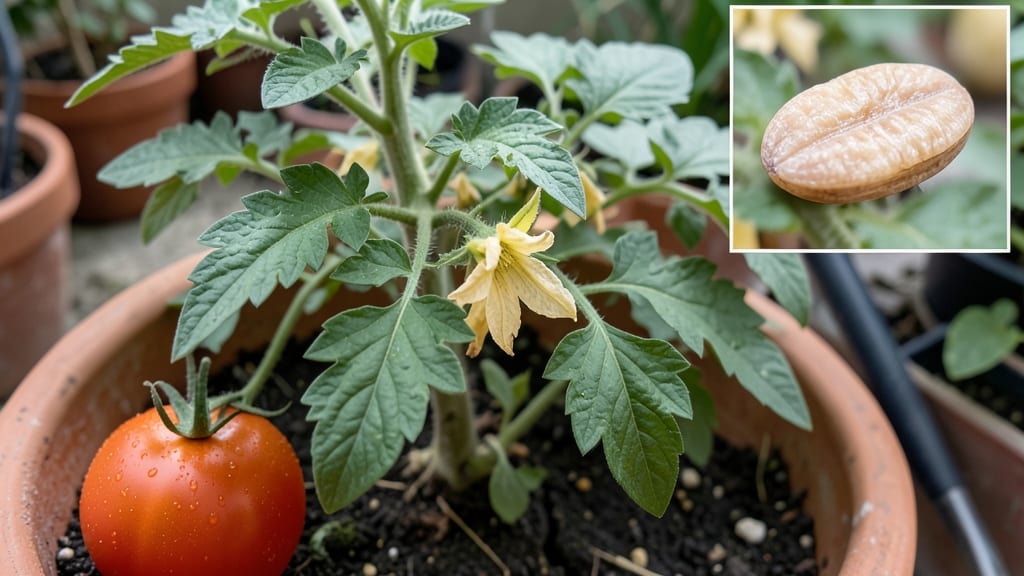
A tomato seed looks like a tiny, flat oval with a creamy or white interior when you crack open a ripe 🍅—but there’s more to it than meets the eye.
If you’ve ever cracked open a tomato to save seeds for next season, you might have wondered—what exactly do tomato seeds look like? The answer is surprisingly simple, yet understanding their appearance helps with seed saving, germination, and even troubleshooting plant issues.
Most tomato seeds are about 1/8 inch long and 1/16 inch wide, with a smooth, slightly gelatinous coating when fresh. Inside, they’re usually white or pale cream, but heirloom varieties can sometimes show hints of yellow or tan.
Hybrid seeds might even look a little different, which is why comparing them to seed packets can save confusion.
Below, I’ll walk you through how to spot them in their natural state, what healthy seeds look like before planting, and why some might appear differently—plus tips to ensure you’re saving the best seeds for your next harvest.
Visual identification: how to spot tomato seeds in their natural state
When you slice open a ripe tomato, you’ll find small, flat gelatinous sacs surrounding the seeds—these are called columella. Inside each sac, you’ll discover tomato seeds nestled together. The seeds themselves are tiny, oval-shaped, and pale in color, often white or light cream.
Their size is about 1/8 inch long (3-4 millimeters), making them barely visible to the naked eye without close inspection.
Fresh tomato seeds are encased in a gelatinous coating that helps them stay together in the fruit. This coating is a mix of mucus and pulp from the tomato, which can appear slightly sticky when wet.
The seeds themselves are smooth to the touch, with a slightly flattened oval shape that makes them distinct from rounder seeds like those of cucumbers or melons.
The color of tomato seeds can vary slightly depending on the variety. Heirloom tomato seeds often appear white or off-white, while hybrid varieties might show a creamier or slightly yellowish tint.
This variation is subtle, but it’s worth noting if you’re comparing seeds from different plants or saving seeds for future planting.
One of the most important visual clues is the seed’s texture. Healthy tomato seeds should feel firm and slightly glossy when dry. If they appear shriveled, discolored, or have dark spots, they may be non-viable or moldy. Always inspect seeds closely before storing them for planting.
🌱
| Seed Type | Size (Approx.) | Shape | Color | Texture | Gelatinous Coating? |
|---|---|---|---|---|---|
| Tomato Seeds | 1/8 inch (3-4mm) | Flattened oval | White/cream | Smooth, firm | Yes (when fresh) |
| Pepper Seeds | 1/16 inch (1-2mm) | Round | Dark brown/black | Rough, dry | No |
| Cucumber Seeds | 1/10 inch (2-3mm) | Oval | White/light tan | Smooth, slightly waxy | No |
| Heirloom Tomato Seeds | 1/8 inch (3-4mm) | Flattened oval | Pure white | Smooth, slightly glossy | Yes (thicker coating) |
If you’re new to seed saving, it’s easy to confuse tomato seeds with other small seeds found in vegetables. For example, pepper seeds are much darker and rounder, while cucumber seeds are slightly larger and lack the gelatinous coating.
Tomato seeds also differ from watermelon or cantaloupe seeds, which are larger, harder, and often have a rougher texture.
Another key detail is how tomato seeds appear inside the fruit. They’re clustered in gelatinous sacs that can be pulled apart easily. When you separate the seeds, you’ll notice they stick together slightly due to the natural mucilage.
This is normal and doesn’t affect their viability—it’s simply how nature packages them for easy dispersal.
When saving seeds, always allow the gelatinous coating to dry completely before storing. Fresh seeds with excess moisture can develop mold or rot. Spread them out on a paper towel or mesh screen in a warm, dry place for a few days until they’re crisp and light in color.
🌿
One common mistake is assuming that discolored or shriveled seeds are still viable. If seeds appear dark, moldy, or shriveled, they’re likely non-viable. Healthy seeds should maintain their white or cream color and firm texture.
If you’re unsure, perform a float test: place seeds in water—viable seeds sink, while non-viable ones float.
Understanding what tomato seeds look like in their natural state helps you identify them quickly and ensures you’re saving the best seeds for next season’s garden.
Whether you’re a beginner or an experienced gardener, recognizing these tiny but mighty seeds is the first step to growing your own tomato plants from scratch.
From seed to sprout: what healthy tomato seeds look like before planting
A healthy tomato seed before planting should look plump, firm, and uniformly colored. When fresh, they’re often coated in a gelatinous mucilage that helps them stick together in the tomato’s cavity.
This slimy layer is normal—it’s nature’s way of protecting the seeds during fermentation, which removes the gelatinous coating when you clean them.
Once cleaned and dried, healthy seeds should appear smooth, oval-shaped, and white to pale cream. They’ll feel slightly hard but not brittle when gently squeezed between your fingers. If they’re shriveled or discolored, that’s a red flag for poor viability.
⚠️ callout warning
If your seeds smell sour or rotten after cleaning, they’ve likely fermented too long. Look for black or green mold—this means bacteria or fungi have taken over. Discard these immediately, as they won’t sprout. Healthy seeds should have no odor and a matte, not shiny, surface after drying.
Pro Tip: Spread seeds on a paper towel in a single layer to dry for 3–5 days in a well-ventilated area. Avoid plastic bags—they trap moisture and encourage mold.
To test viability, place a few seeds between damp paper towels in a sealed container. After 5–7 days, healthy seeds will crack open slightly and show a tiny white root. If they stay hard or develop fuzzy growth, they’re likely dead.
Store viable seeds in a cool, dark, dry place (like a sealed envelope in the fridge) for up to 4 years. Check for moisture or pests before storing—even a few damp seeds can ruin the whole batch.
When planting, avoid seeds that feel lightweight or hollow—these are often empty or damaged. Instead, pick seeds that sink in water (a quick float test) and have a consistent shape. The best seeds are those that look uniform and feel dense.
With the right care, your cleaned and dried tomato seeds should sprout within 7–14 days when planted in warm, moist soil. Keep an eye out for green shoots—that’s your reward for saving healthy seeds!