
Planting
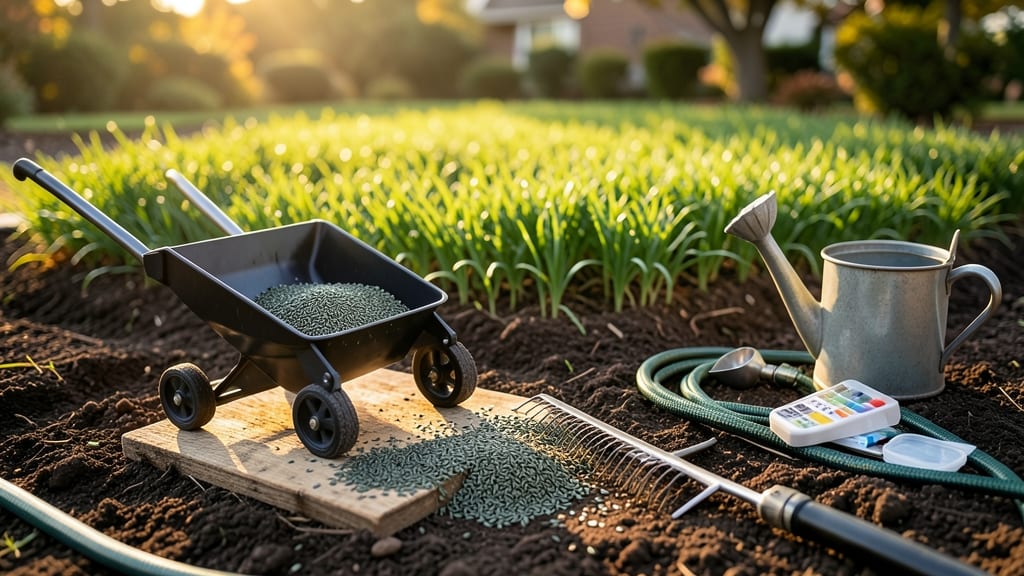
You can plant grass seed in Wisconsin once soil temperatures hit a steady 50°F and stay above freezing, typically between mid-April and early May for most of the state.
Wisconsin’s unpredictable spring frost dates and cold snaps can turn your grass seeding project into a gamble—unless you know the exact windows for planting. Timing is everything for thick, lush lawns, and missing these deadlines can mean slower germination, weed competition, or even wasted seed.
Cool-season grasses like Kentucky bluegrass and fescue thrive when planted in early spring or fall, but Wisconsin’s USDA Zones 4a-5b mean your last frost can arrive anywhere from mid-April to early May. Planting too early risks frost damage, while waiting too long lets weeds steal the show.
Below, I’ll break down the ideal planting windows, soil prep tips for Wisconsin’s clay-heavy soils, and how to adjust for northern vs. southern microclimates—so you get germination in 10-14 days instead of weeks.
Wisconsin grass seed planting deadlines: spring vs fall schedule
Wisconsin’s cool-season grasses like Kentucky bluegrass, tall fescue, and ryegrass thrive when planted during optimal temperature windows. Missing these can lead to slow germination or weed dominance.
The USDA hardiness zones 3-5 across Wisconsin mean your exact planting dates depend on whether you're in northern Zone 3 or southern Zone 5 areas.
For spring planting, aim for 4-6 weeks before your average last frost date, typically mid-April to early May. In northern Wisconsin, this might mean starting as early as late March, while southern Wisconsin can wait until mid-April.
Soil temperatures should consistently stay above 50°F for germination.
Fall planting offers better success rates in Wisconsin because cool temperatures reduce weed competition and established roots handle winter better. The ideal window is 4-6 weeks before your first frost, usually mid-September to early October.
In northern areas, this could be as early as late August, while southern regions might extend into October.
Here’s how the two seasons compare for Wisconsin lawns:
| Factor | Spring Planting | Fall Planting |
|---|---|---|
| Ideal Window | Mid-April to early May | Mid-September to early October |
| Soil Temp | 50°F+ consistently | 60°F+ during day, 40°F+ at night |
| Weed Competition | High (spring weeds emerge) | Low (weeds dormant) |
| Germination Speed | Slower (cooler soil) | Faster (warmer soil) |
| Establishment Time | 6-8 weeks | 4-6 weeks |
| Success Rate | 60-70% | 80-90% |
Fall planting generally wins in Wisconsin because cooler temperatures reduce stress on young grass. However, spring planting can work if you’re dealing with bare spots needing quick cover. Always check your local frost dates—use the Wisconsin State Climatology Office or Almanac for precise timelines.
For northern Wisconsin (Zones 3-4), start earlier in spring (late March) and finish fall planting by mid-September to avoid early frosts. In southern Wisconsin (Zone 5), you have more flexibility with late April to early May for spring and October for fall.
Pro tip: Test your soil temperature with a soil thermometer—ideal germination occurs at 60-70°F. If temperatures drop below 40°F after planting, cover seeds with straw mulch to insulate them.
Remember, overseeding in fall (adding seed to existing lawns) is another great Wisconsin strategy. This boosts density and reduces weeds before winter dormancy. Just follow the same 4-6 weeks before frost rule.
If you miss these windows, don’t panic—late summer overseeding (August) can still work for cool-season grasses, though success rates drop. The key is consistent moisture and weed control during establishment.
For best results, mark your calendar for early April and September—these are your golden windows for Wisconsin lawn success. With the right timing, you’ll be enjoying a thick, green lawn in no time! 🌱
How to prepare your Wisconsin lawn for grass seed success
Wisconsin’s clay-heavy soils and variable rainfall demand extra prep work before planting grass seed. Skipping soil testing or aeration can lead to poor germination, even with the best seed.
My approach focuses on three critical steps: soil testing, weed suppression, and moisture retention—all tailored to Wisconsin’s unique growing conditions.
Start by testing your soil’s pH level (aim for 6.0-7.0), which is ideal for cool-season grasses like Kentucky bluegrass. Wisconsin’s acidic soils often need lime to raise pH, while compacted areas benefit from gypsum to improve drainage.
I recommend using a DIY soil test kit from your local garden center for accurate results before seeding.
Next, tackle weed competition with a pre-emergent herbicide designed for new lawns. Apply it 2-4 weeks before seeding to block weeds without harming grass seedlings. For organic options, a thick layer of cardboard or newspaper smothered with mulch works well in small areas.
Now, let’s get to the step-by-step prep work—this is where most gardeners trip up. Follow these 5 critical steps to ensure your Wisconsin lawn is ready for seed:
- Test & Amend Soil: Use a soil test kit to check pH (6.0-7.0) and add lime or compost as needed. Wisconsin’s clay soils often need 1-2 pounds of lime per 100 sq ft if pH is below 6.0.
- Aerate Compacted Areas: Rent a core aerator to create 1/2-inch holes every 3-4 inches. Do this 2-4 weeks before seeding in spring or 6 weeks before fall planting.
- Remove Debris & Level: Rake out rocks, roots, and thatch. Fill low spots with topsoil and level with a lawn roller. Wisconsin’s clay can create uneven surfaces—pay extra attention here!
- Apply Pre-Emergent Weed Control: Use a new-lawn-safe herbicide like corn gluten meal (organic) or a synthetic pre-emergent. Wait 2-4 weeks before seeding.
- Mulch with Straw (Not Hay!): Spread 1/4-inch straw evenly over seeded areas to retain moisture and block light from weeds. Avoid compost—it can introduce weed seeds.
After seeding, moisture management is key. Wisconsin’s unpredictable spring rains can wash away seed, while summer droughts stress new growth. Water lightly twice daily (morning and evening) for the first 2 weeks, then gradually reduce to 1 inch per week.
Use a sprinkler with fine mist to avoid dislodging seed.
For fall planting (another ideal window in Wisconsin), repeat these steps but adjust timing: aerate in late summer, seed in September-October, and mulch with straw to protect seedlings during early frosts.
Fall-seeded lawns often outperform spring plantings because cooler temps reduce weed pressure and stress on new grass.
Pro tip: Mark your calendar for Wisconsin’s average frost dates—mid-April to early May for spring, mid-October for fall. Planting within these windows gives your grass 4-6 weeks of warm soil before winter dormancy, ensuring strong root establishment.