
Companion Plants
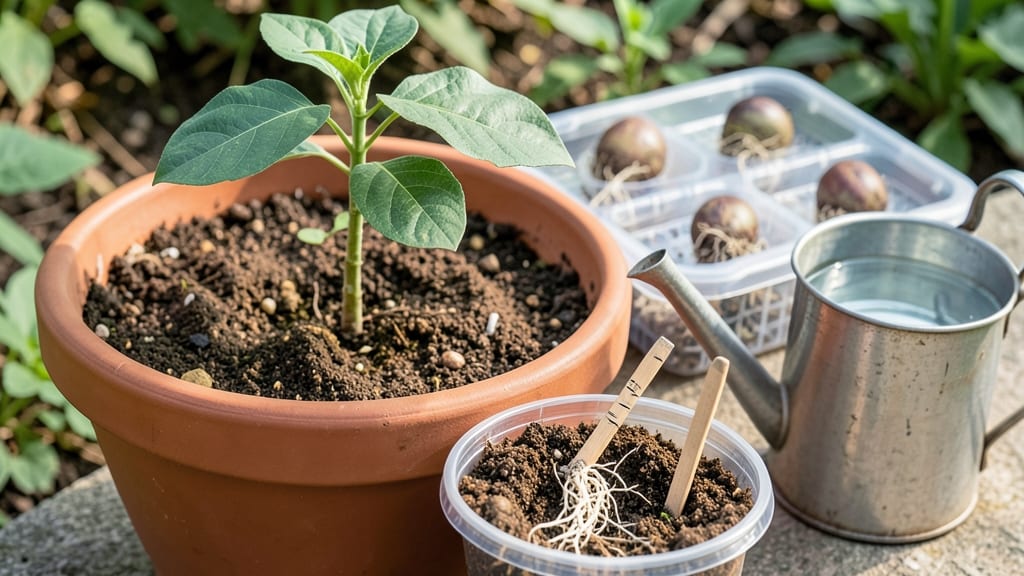
Planting your avocado seed in soil at the right time is the key to avoiding rot and giving your 🥑 tree the best start in General (USDA Zone 6 default) or warmer climates.
Too early, and damp soil can suffocate your seedling; too late, and it may never catch up. The secret lies in waiting until roots are strong enough to handle the transition—usually after 4-6 weeks of steady growth in water.
For Zone 6, aim for late spring to early summer, once soil temperatures hit 60°F+. In warmer zones, you can plant as early as March, but always check for signs of readiness: roots should be 2-3 inches long and the stem firm to the touch.
Below, I’ll walk you through the exact timing for your climate zone, plus how to prep the soil and care for your seedling in its first critical weeks.
Best climate-zone timelines for planting avocado seeds in soil
Timing your avocado seed's transition from water to soil depends entirely on your USDA hardiness zone and local frost patterns. In colder zones like 3-7, seedlings face frost risk, while zones 8-11 enjoy year-round warmth.
The critical threshold is soil temperature—avocado seeds need 60°F+ to thrive after planting. Below, I’ll break down exact planting windows by zone, including regional adjustments for tropical vs. temperate climates.
For USDA zones 3-5, your best bet is to start seeds indoors in late winter (February-March) and transition to soil only after your last frost date. In zones 6-7, you can plant directly outdoors in late spring (May-June) once nighttime temps stay above 50°F.
Meanwhile, zones 8-11 offer flexibility—plant anytime after soil warms to 60°F, which may be as early as February in Florida or April in Southern California.
Here’s the comparison-table with exact planting windows by zone, including soil temperature thresholds and frost risk considerations:
In tropical zones (10-11), you can plant avocado seeds almost year-round, but I recommend avoiding summer months when temperatures exceed 90°F. Instead, aim for February-April when humidity is lower and soil stays consistently warm.
For coastal regions in these zones, morning fog can delay soil warming—test with a soil thermometer before planting.
For USDA zones 6-7, pay close attention to your last frost date. In my experience, planting too early—even if soil is warm—can expose seedlings to root rot from lingering cold.
Use a frost clock or local weather app to track nighttime lows. If frost is predicted within 2 weeks of planting, delay until conditions stabilize.
In warmer zones (8-9), focus on soil moisture rather than frost. Avocado seedlings struggle in waterlogged soil, so amend your garden bed with perlite or sand to improve drainage.
If your area experiences winter chills (e.g., Southern California), plant in spring to avoid cold snaps that can stunt growth.
Pro tip: If you’re in a transition zone (e.g., Zone 7b), consider using a mini greenhouse or row cover to extend your planting window. This lets you plant 4-6 weeks earlier than the official frost-free date while protecting tender seedlings.
Just remove the cover once true leaves appear to harden off the plant.
Finally, remember that container growing offers flexibility for all zones. If your climate is too harsh for outdoor planting, grow your avocado seed in a 10-gallon pot and move it indoors during winter
Signs your avocado seedling is ready for soil (and what to avoid)
Your avocado seedling’s transition from water to soil is a delicate moment—one where patience and observation are everything. The key is waiting until your seedling shows 3-4 healthy leaves and a thickened stem, typically after 4-6 weeks in water.
These signs tell you the roots are strong enough to handle soil’s drier conditions without shock.
Look for roots that are 2-3 inches long and white or light tan, not mushy or brown. A healthy seedling will also have a firm stem that doesn’t wobble when touched. If you see yellowing leaves or stunted growth, it’s a sign your seedling needs more time in water.
⚠️ callout-warning ⚠️
Premature planting in soil can drown your seedling’s roots, causing rot or fungal infections. Wait until roots are 2-3 inches long and soil is warm (60°F+). In colder zones, delay until after last frost—usually late spring.
✅ Do: Harden off seedlings by placing them outdoors for 2-3 hours daily for a week before planting.
❌ Avoid: Overwatering soil (avocados hate soggy roots) or using heavy clay soil without amendments.
Another critical sign is your seedling’s growth rate. If it’s adding new leaves every 2-3 weeks and the stem feels wood-like (not brittle), it’s ready. Slow growth or drooping leaves mean it’s not prepared for soil yet.
In warmer climates (Zones 9-11), you can plant as early as March, but always check these readiness cues.
Don’t rush the process—avocado seedlings thrive on consistency. If your seedling meets all these signs but it’s still winter in your area, wait until soil warms to 60°F+.
Cold soil slows root growth and increases disease risk. For example, in Zone 6, aim for late May or June when frost danger has passed.
Once you’ve confirmed readiness, choose a well-draining soil mix (equal parts potting soil, perlite, and compost) and plant your seedling only as deep as it was in water.
Burying the stem too deeply can strangle the plant. After planting, water lightly to settle the soil, then reduce watering to avoid over-saturation.
After planting, monitor your avocado seedling closely for the first 2 weeks. Look for new leaf growth as a sign it’s adapting well. If leaves yellow or wilt, it may need more sunlight or less water.
With the right timing and care, your seedling will establish strong roots and grow into a healthy avocado tree—just give it time! 🌱