
Plants
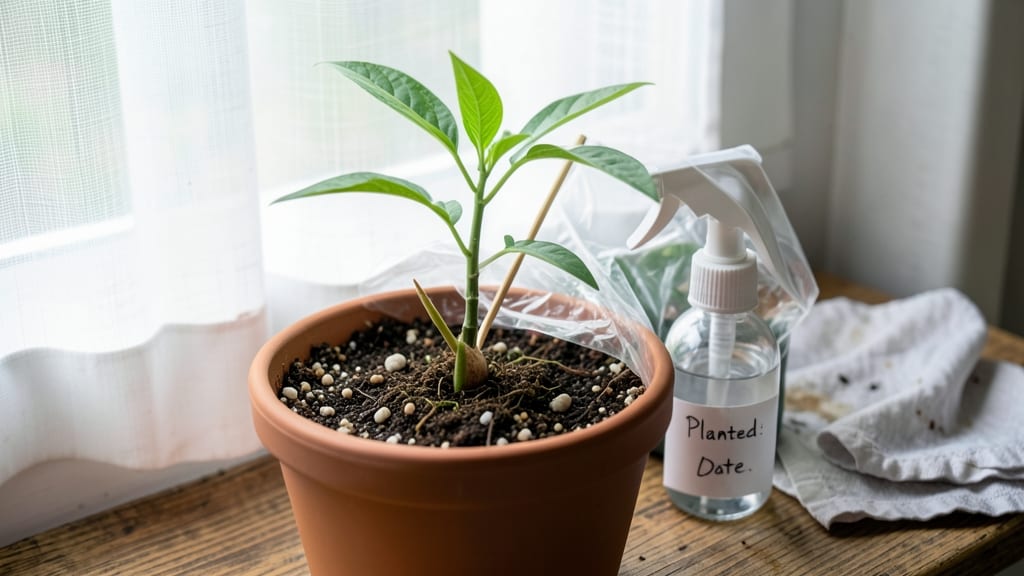
To plant your avocado seed in soil at the right time means the difference between a thriving 🥑 sapling and a sad, wilted failure.
Picture this: You’ve spent weeks watching your seed sprout roots in a glass of water, but now you’re staring at that little green shoot and wondering, When is the perfect moment to transfer it? Plant too soon, and you risk drowning the delicate roots.
Wait too long, and the seedling may become root-bound or stressed. The timing is everything, and getting it wrong can set your avocado tree back for months—or worse, kill it before it even starts.
If you’re in a warm, frost-free zone like USDA 10-11, you can plant year-round, but most gardeners in cooler climates (even 9b with care) should aim for late winter or early spring. That’s when soil temperatures rise just enough to support root growth without overheating the tender seedling.
Indoor growers have a bit more flexibility, but even they need to wait until the roots are strong enough to handle soil—usually when they’re 2-3 inches long and the stem is sturdy.
Below, I’ll break down the exact signs your avocado seed is ready for soil, the best soil mix to use, and how to avoid the three biggest mistakes that kill seedlings before they take off.
By the end, you’ll know not just when to plant, but how to give your little tree the best start possible.
Best time of year to plant avocado seeds in soil: climate-based guide
Timing your avocado seed planting in soil is critical—too early risks rot, while too late delays growth. Unlike many plants, avocado seeds thrive in warm soil (70-80°F) and struggle with cold.
Your climate zone dictates the best window: tropical regions can plant year-round, while temperate zones need precise timing to avoid frost damage.
For indoor starters, you can plant seeds anytime, but outdoor planting depends on last frost dates and soil warmth. In USDA zones 10-11, plant seeds in soil as soon as roots appear (4-12 weeks after germination).
In cooler zones (9b), wait until late spring when soil temperatures stabilize above 60°F.
Humidity also plays a role—high humidity speeds germination but may increase fungal risks. Use a humidity dome for indoor starts, then transition outdoors only when your region’s nighttime temps stay above 50°F. Below, I’ve broken down the ideal planting windows by climate type.
| Climate Type | Best Planting Window | Soil Temp Requirement | Humidity Needs | Key Consideration |
|---|---|---|---|---|
| Tropical (Zones 10-11) | Year-round (indoor/outdoor) | 70-85°F (consistent) | 60-80% (high) | No frost risk; plant after roots reach 2-3 inches. |
| Subtropical (Zone 9b) | Late spring (April-May) | 65-75°F (minimum) | 50-70% (moderate) | Wait until soil warms; protect from light frosts. |
| Temperate (Zones 8-9) | Late winter/early spring (Feb-Mar) | 60-70°F (after last frost) | 40-60% (low-moderate) | Start indoors in winter; harden off before outdoor planting. |
| Indoor (Any Zone) | Anytime (year-round) | 68-75°F (consistent) | 50-65% (moderate) | Use grow lights if natural light is <6 hours/day. |
If you’re in a cooler climate, start seeds indoors 8-10 weeks before your last frost date. Use a heat mat to maintain soil warmth (70°F+) during germination. For outdoor planting, wait until nighttime temps stay above 50°F—avocado seedlings cannot tolerate frost and will die if exposed.
In tropical zones, you can plant seeds directly in soil as soon as roots emerge (usually 4-6 weeks). However, avoid planting during monsoon seasons—excessive rain can drown seedlings. Instead, opt for dry-season planting (Dec-Feb in many tropical regions) when humidity is moderate.
For subtropical zones like Southern California or Florida, aim for late spring planting (April-May). This gives seedlings time to establish before summer heat. Use mulch to retain soil moisture and protect roots from temperature swings. If planting in containers, choose pots with drainage holes to prevent root rot.
One common mistake is rushing outdoor planting in spring before soil warms. Test soil temperature with a thermometer—if it’s below 65°F, delay planting. Cold soil slows germination and weakens seedlings. For extra protection, use a cloche or row cover until the plant is established.
Remember, avocado seeds germinate best in warm, humid conditions. If your climate is dry, increase humidity with a pebble tray or misting system. Once planted in soil, maintain consistent moisture (but never soggy) and place in bright, indirect light until ready for full sun.
Pro tip: If you’re unsure about your local climate, check your USDA zone and last frost date using the USDA Plant Hardiness Zone Map. For tropical/subtropical zones, focus on soil warmth over frost dates—avocados care more about heat than cold.
How to tell when your avocado seed is ready for soil planting
Your avocado seedling has spent weeks growing roots in water, and now you’re eager to plant it—but how do you know it’s truly ready? Rushing the process can drown delicate roots, while waiting too long risks stunting growth.
The key is watching for three critical signs: root length, stem thickness, and leaf development. When your seedling meets these milestones, it’s time to transition it to soil and give it a permanent home.
First, check the roots. Your avocado seed is ready when they reach 2-3 inches long and form a dense network. Healthy roots should look white or pale, not brown or mushy—a sign of rot. If roots are tangled or circling the glass, gently untangle them to prevent root-bound stress later.
The stem should also be thick and sturdy, about the diameter of a pencil, indicating it can support itself in soil.
Next, examine the leaves. A ready seedling will have 2-3 mature leaves that are dark green and glossy, not yellow or wilted. These leaves should be about 2-3 inches long and firm to the touch.
If the leaves are small, pale, or curling, your seedling needs more time in water to build strength before planting.
🌱
⚠️ Don’t Skip These Critical Checks Before Planting!
Root Rot Risk: If roots smell foul or feel slimy, your seedling is already rotting—planting it will only worsen the problem. Discard and start fresh with a new seed.
Transplant Shock: Seedlings with roots shorter than 2 inches or stems thinner than a pencil are too fragile for soil. Wait until they’re stronger.
Soil Prep Matters: Use a well-draining mix (50% potting soil, 50% perlite or sand) to prevent waterlogging, which is the #1 killer of young avocado trees.
Once your seedling passes these checks, it’s time to plant. Start by filling a small pot (6-8 inches deep) with a light, airy soil mix. Avocado trees hate soggy soil, so avoid heavy garden soil—opt for a blend designed for citrus or tropical plants.
Plant the seedling so that the top third of the stem sits above soil. This encourages stronger root growth and prevents rot at the base.
After planting, water gently but thoroughly to settle the soil around the roots. Place the pot in a bright, indirect light spot (like a south-facing window) and keep the soil consistently moist but not waterlogged.
Avoid direct sunlight for the first week to reduce stress. Within 2-3 weeks, you should see new growth—a sign your seedling has successfully adapted to its new home.
Remember, patience is key. Even if your seedling looks ready, give it 1-2 weeks of adjustment time before exposing it to full sun or outdoor conditions.
With the right timing and care, your avocado tree will grow into a thriving plant that could one day bear fruit—though it may take 5-13 years for seed-grown trees to reach maturity. 🌿